Exploring Japanese Theater: Nō and Kabuki at Cool Japan 2025 in Hamburg

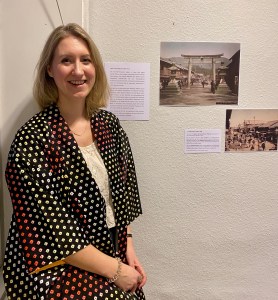
Back in March, I had the pleasure of curating and moderating the event “Cool Japan 2025 – Japanese Theater from Nō to Kabuki” at the Museum am Rothenbaum – Kulturen und Künste der Welt (MARKK) in Hamburg.

The one-day event offered a rich, multi-sensory exploration of historical and contemporary Japanese performing arts. With a diverse programme tailored to both children and adults, visitors could take part in creative workshops, guided exhibition tours, academic talks, and live performances which were all designed to bring Japanese theater traditions closer to a broad audience.

Stories in Masks and Makeup

The programme opened with a lecture by Prof. Annegret Bergmann titled “An Introduction to Japanese Theater.” In this talk, she offered valuable historical and aesthetic context for and Kabuki, giving the audience a solid foundation for understanding the performances and objects featured throughout the day.

Later, she returned with a second, more focused lecture on the symbolism and staging of Kabuki makeup, known as kumadori (隈取). Far from being mere decoration, these bold lines and colours communicate essential traits of a character – strength, virtue, rage, or deception – and are deeply intertwined with the dramatic rhythm and emotional charge of Kabuki theater. Her insights made it clear that makeup in Kabuki is not just worn; it is performed.

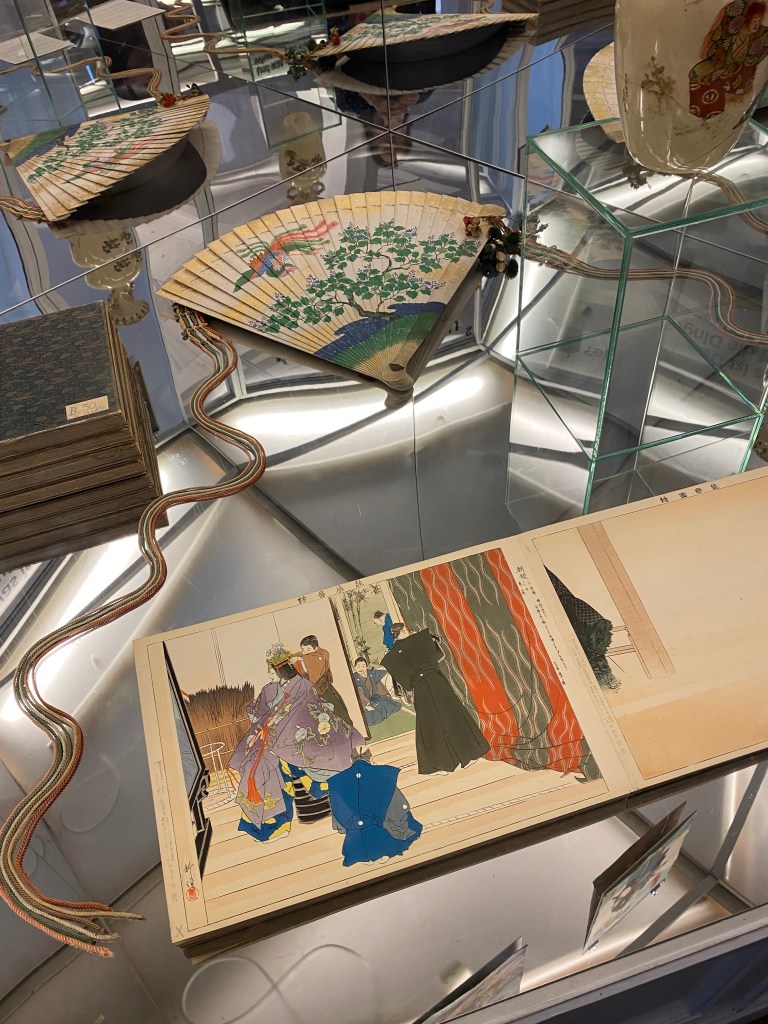
Complementing her talk was a display of curated objects from the MARKK’s own collection, giving attendees a rare glimpse into the material culture of Japanese theater. Items on view included authentic masks, makeup utensils, decorative accessoires such as hair pins, and kabuki-themed ukiyo-e prints. Together, they offered a tactile connection to performance traditions that have shaped Japanese cultural identity for centuries.

Another key moment in the program was the screening of the Kabuki classic Yoshitsune and the Thousand Cherry Trees (義経千本桜, Yoshitsune Senbon Zakura), a beloved tale of loyalty, disguise, and fate. Before the screening, Mr. Shinsuke Toda, Consul General of Japan in Hamburg, addressed the audience with warm words that reflected on the richness of Japanese stage tradition and its resonance far beyond Japan’s borders.

Contemporary Echoes: Chihoco Yanagi’s Journey Through Dance

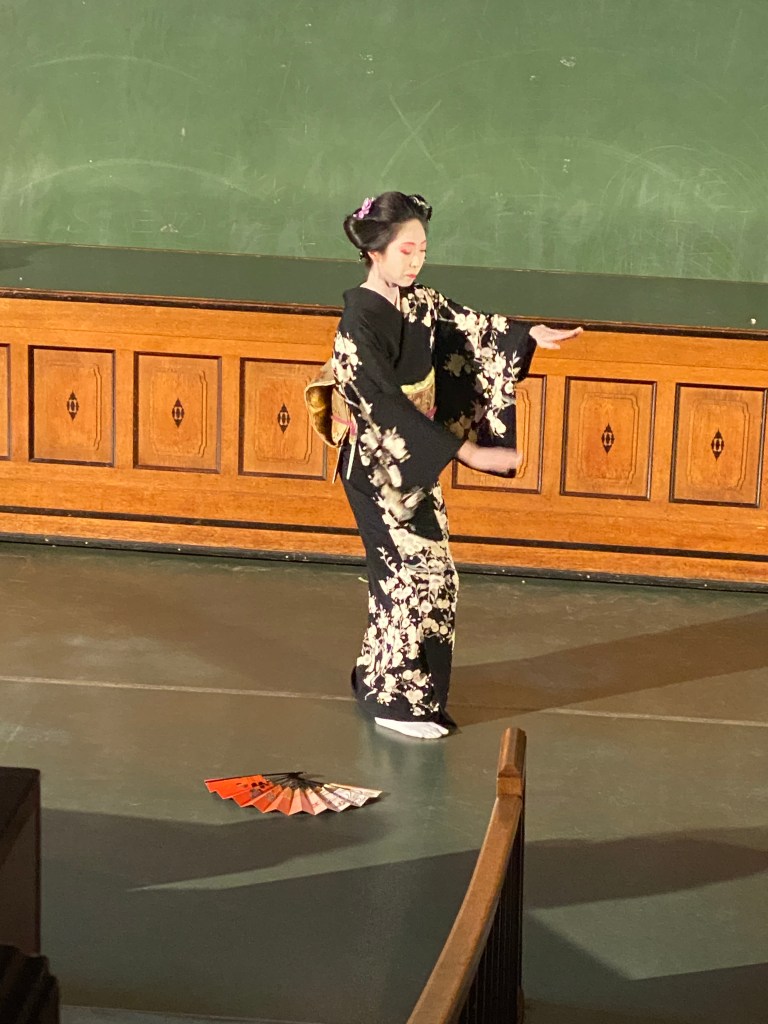
Dancer and choreographer Chihoco Yanagi performed twice during the event, showcasing two distinct forms of Japanese dance and offering the audience a powerful glimpse into both tradition and innovation.

Her first performance was a traditional Nihon Buyō (日本舞踊) piece, an elegant, stylised form of Japanese stage dance that draws from classical theater traditions of Kabuki and . Performed in kimono and often accompanied by shamisen music, Nihon Buyō combines graceful movement with storytelling gestures that reference nature, seasonal change, and human emotion. Chihoco’s precise, flowing choreography and expressive presence brought this refined tradition vividly to life.

Later in the day, Chihoco returned to the stage with a series of contemporary Shin Buyō (新舞踊) pieces. Shin Buyō, or “new dance,” emerged in the 20th century as a modern evolution of traditional Japanese dance forms. While it often preserves the structure and vocabulary of classical styles, it embraces greater freedom, allowing for modern music, expressive experimentation, and personal themes.

One of these pieces was set to live music performed by musicians from the Laeiszhalle Akademie, featuring Antonín Dvořák’s American Quartet. This particular performance stood out for its deeply autobiographical tone. Drawing on her own experience of leaving Japan and adapting to a new cultural environment, Chihoco expressed themes of longing, excitement, disorientation, and liberation through a nuanced choreography.

As someone who has lived in several countries myself, I found this piece especially moving. Her gestures, at once searching and composed, articulated a kind of emotional geography I knew well: the shifting terrain between memory and discovery, between where we come from and where we imagine ourselves becoming.

Dressing for the Kabuki

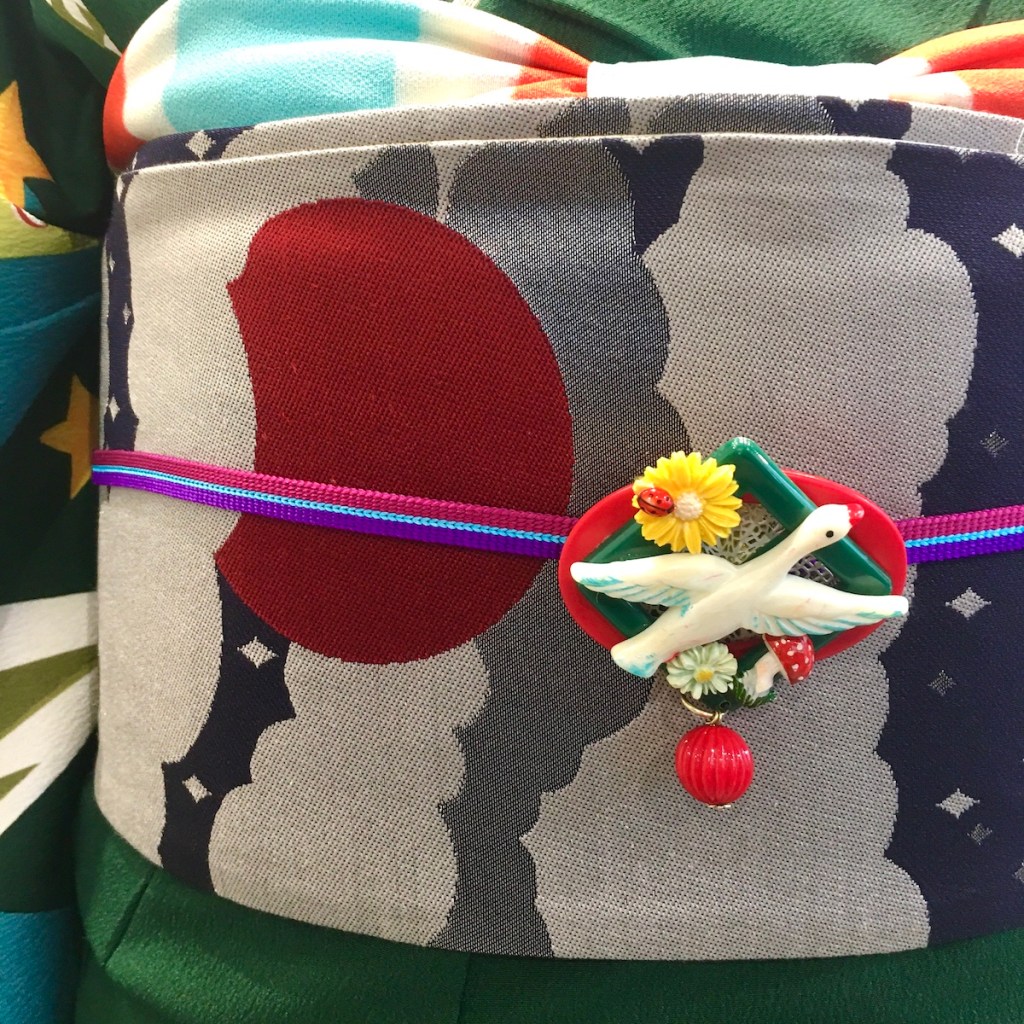
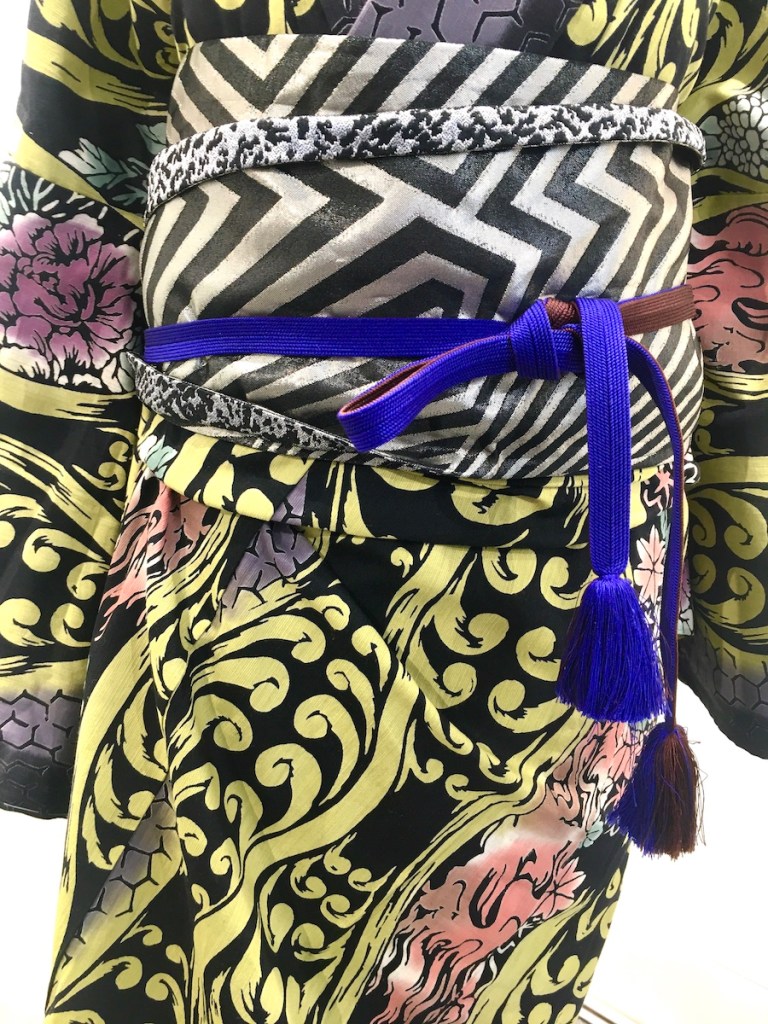
To mark the occasion, I chose to wear a vintage purple komon kimono I had found during a trip to Japan the previous November. It was the first time I wore it, and together with my fellow kimono nerd and illustrator friend Sophie, we had previously experimented with different obi styles to find one that reflected the spirit of kabuki: expressive, playful, a little bold.

Unfortunately, I couldn’t quite recreate the knot on the day of the event as beautifully as we had done together but it was still fun to experiment, and it added a personal layer of creativity to the day. In its own small way, it was also a performance: a gesture of cultural appreciation, memory, and imagination folded into fabric.

It felt especially meaningful to share the day with friends who are also engaged with Japanese textile culture in their own ways. My friend Mana, for instance, recently founded Hansa Kimono, a small business through which she curates and sells vintage haori (kimono jackets) here in Hamburg. Our shared passion for making traditional Japanese garments accessible and wearable in everyday life adds yet another layer to how these textiles continue to live, travel, and evolve across cultures.

Final Reflections

Cool Japan 2025 was more than a themed event; it was an exploration of cultural expression across generations, media, and stages. Through movement, music, objects, and storytelling, the day offered a window into the deep roots and evolving forms of Japanese theater.

From masks to Kabuki fans, from classic dance to modern choreography, each element provided a different point of entry into a living tradition. For me, it was not only an opportunity to help shape the programme, but also to participate in it through dress, dialogue, and shared appreciation.

The museum’s historic lecture hall offered a fitting stage for it all: its wood paneling, raised platform, and slightly timeworn elegance lent the performances a quiet grandeur; one that mirrored the layers of history embedded in the art forms themselves.

And like any good performance, the echoes of the day continue to resonate… but more on this another time 😉

Japan House London: ‘RENOVATION: Kimono & Sustainability‘

The slow but steady lifting of restrictions in regards to COVID-19 in the last couple of weeks here in the UK means that, alas!, museums and exhibition spaces are opening their doors to the public again! I am more than thrilled about this – visiting museums and exhibitions form an important part of my life, providing me with inspirational insights into the practices of various artists and cultures … and, I have to admit, the experience is one that cannot be easily re-produced online (although there are definitely some mention-worthy attempts!).

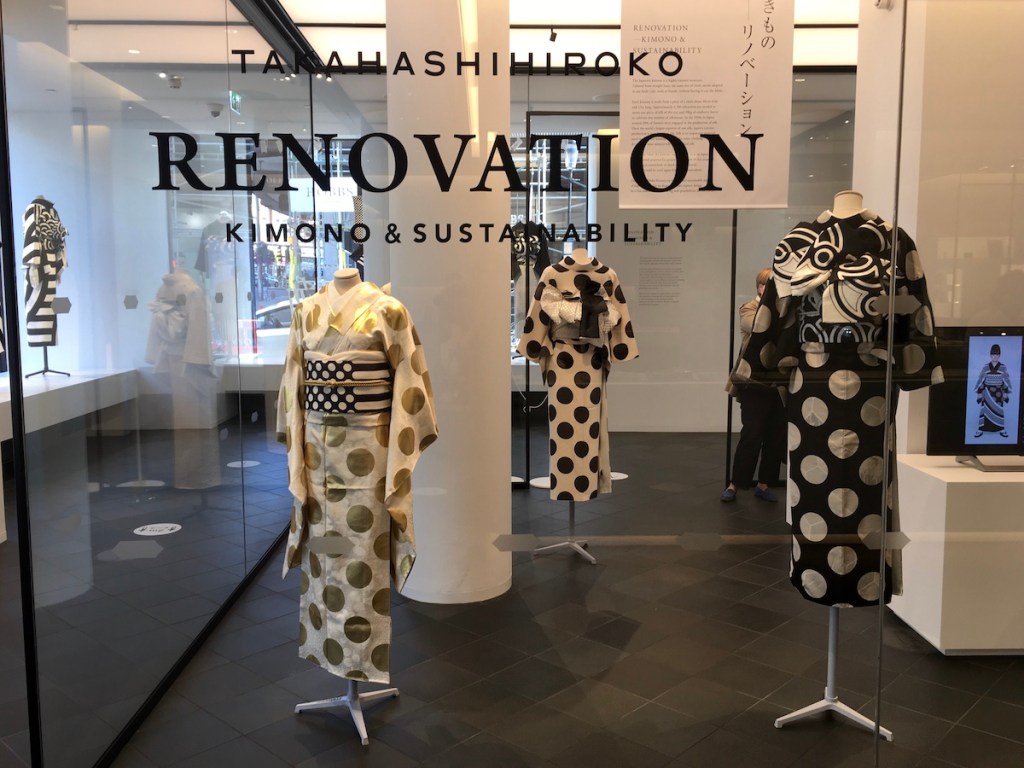
So finally last week, after a long period of not engaging with art in this way, I ventured out to see Japan House‘s ‘RENOVATION: Kimono & Sustainability‘ display featuring contemporary kimono by texile artist Hiroko Takahashi (高橋理子).

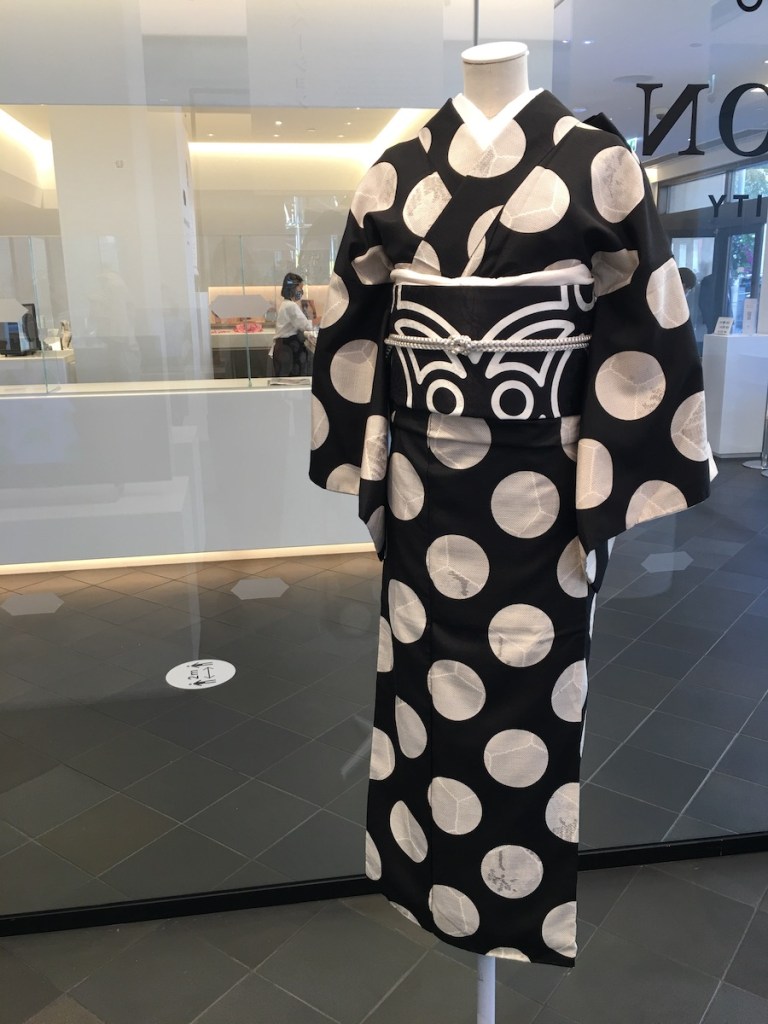
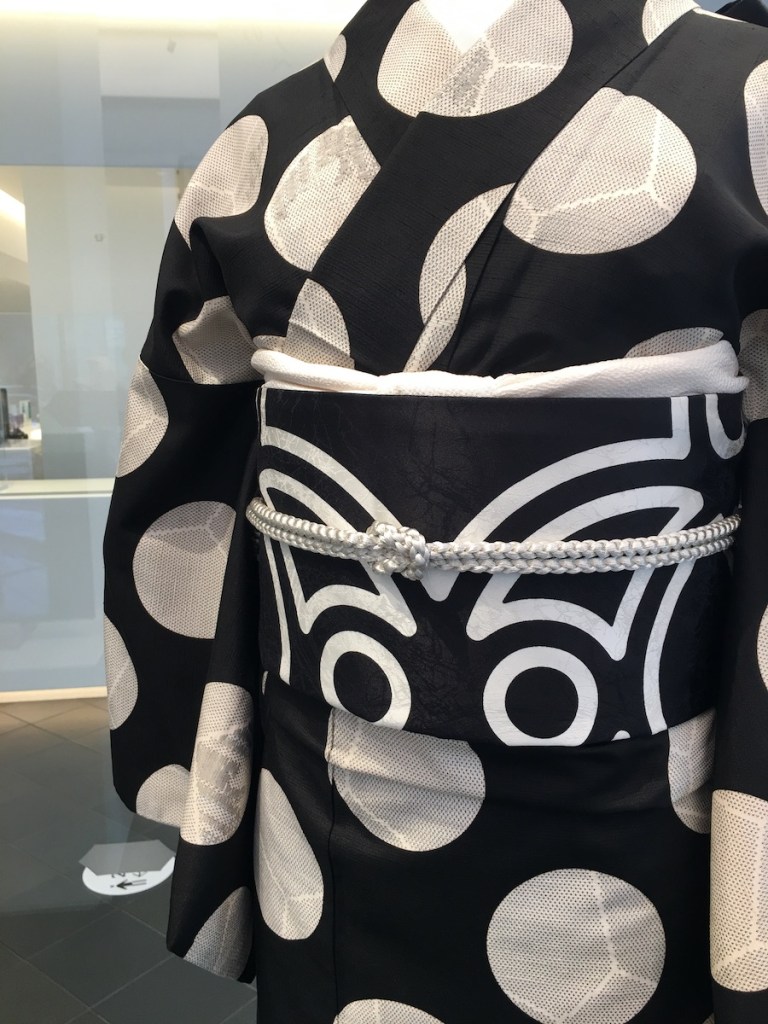
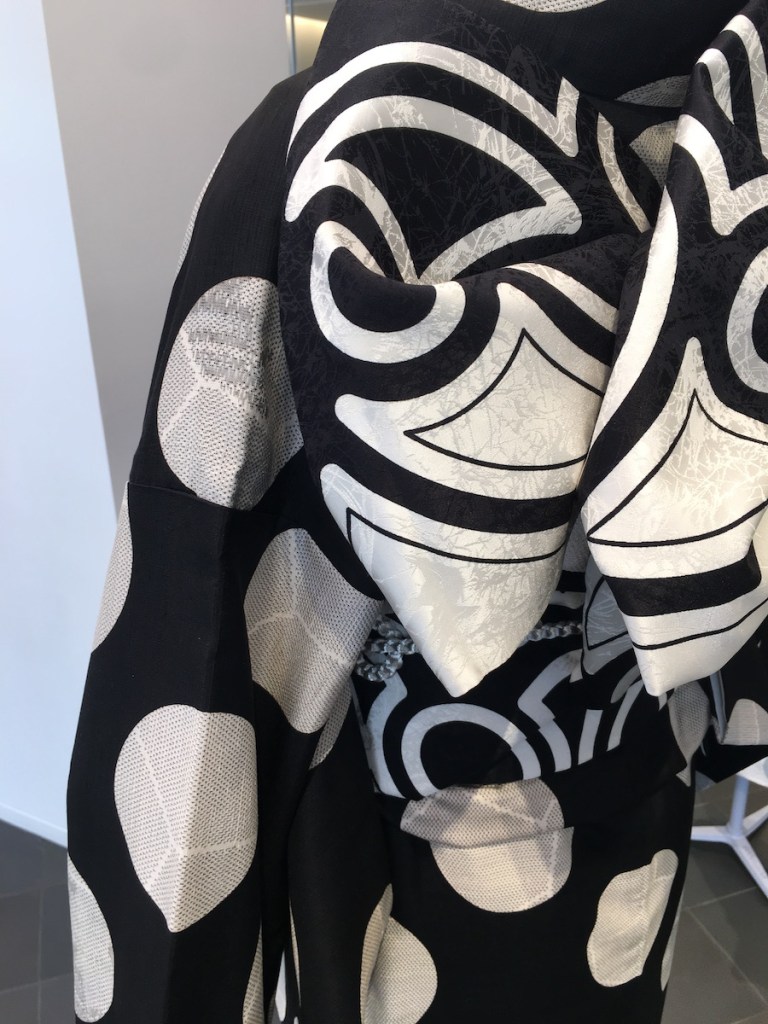
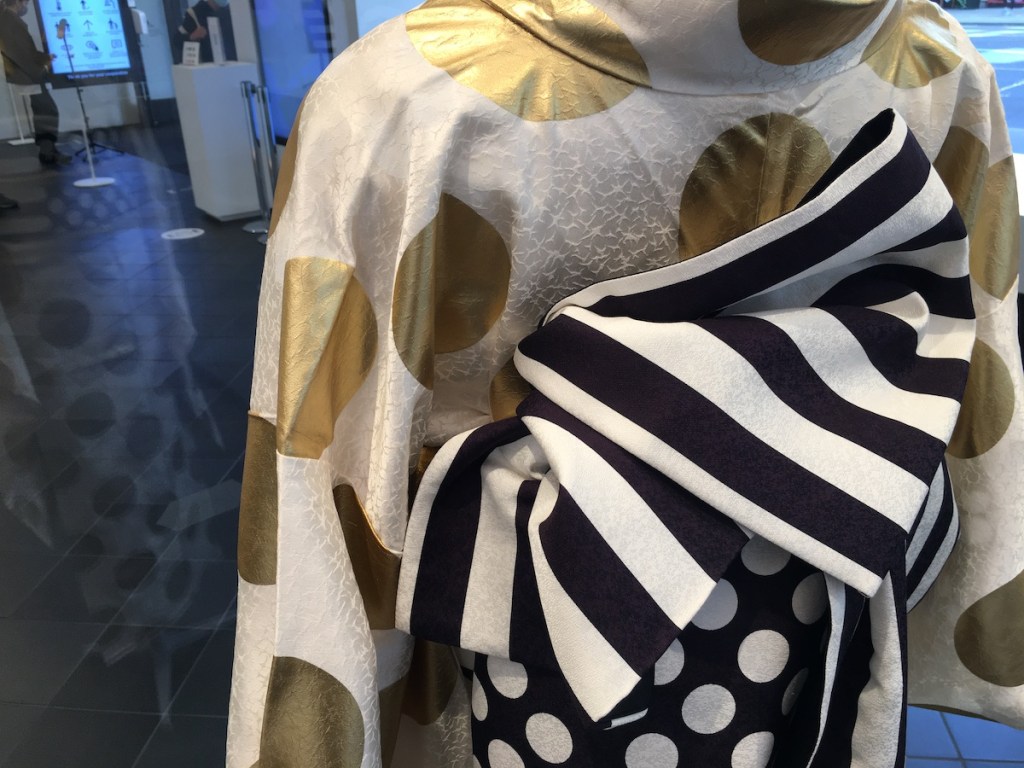
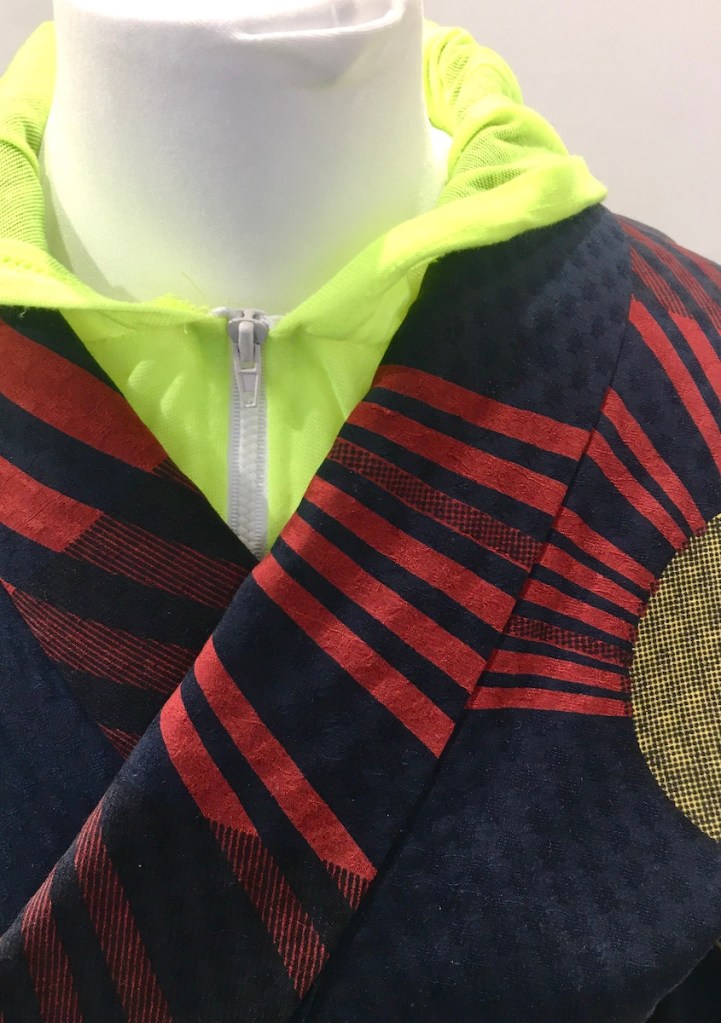
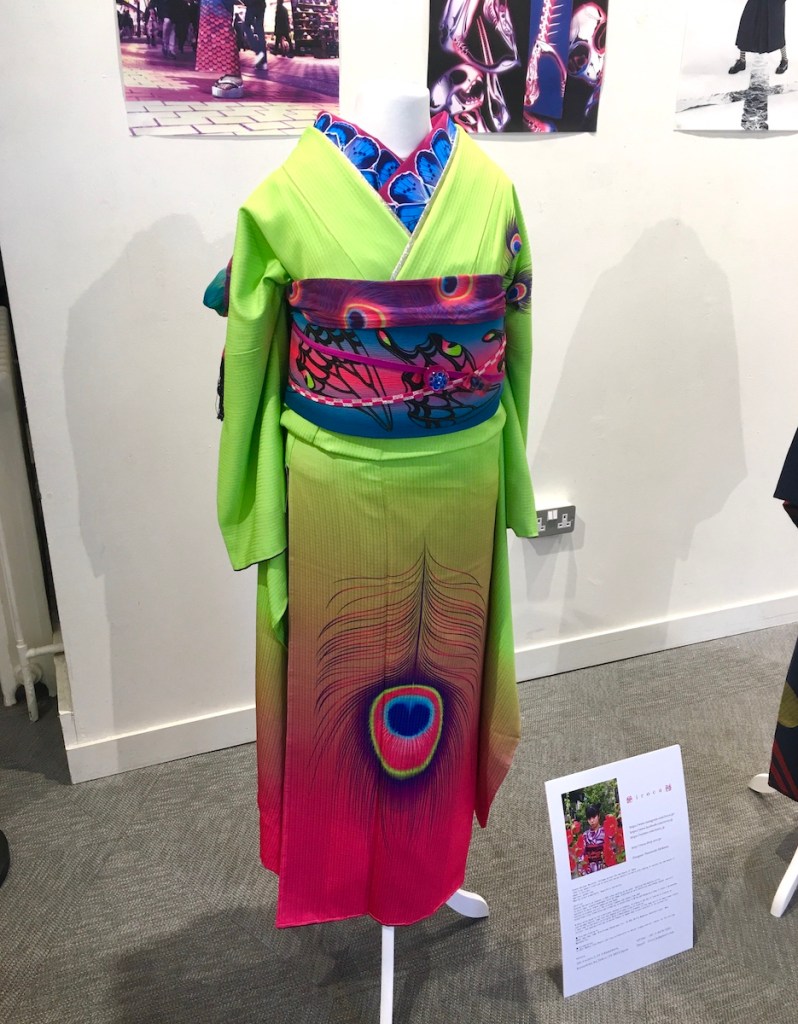
Hiroko Takashashi is the founder of kimono brand HIROCOLEDGE which aims to blend ideas of art and fashion. The artist’s signature bold graphics consisting of geometric patterns such as circles and straight lines form part of most of her designs, representing the infiniteness found in the universe. There is a big focus on sustainability within the brand as well, and this is showcased through the kimono which are part of the ‘RENOVATION’ project displayed at Japan House.

As part of the project, Takahashi sourced old kimono and unstitched, de-colourised, and then re-dyed them with her signitaure geometric patterns. In the past, a significant aspect of everyday kimono culture was the continued re-use of the precious materials, which included the taking apart and re-tayloring of garments to make them into new pieces. This practice is mainly lost now, but Takahashi would like to re-engage consumers with this form of appreciation and usage.

This is a truly inspiring display, so I encourage anyone with an interest in fashion, textiles and design to visit Japan House and study the garments in close detail themselves!

Japan House
Renovation: Kimono & Sustainability
5 August – 7 September 2020

All images © Carolin Becke.

V&A: ‘Tim Walker: Wonderful Things’

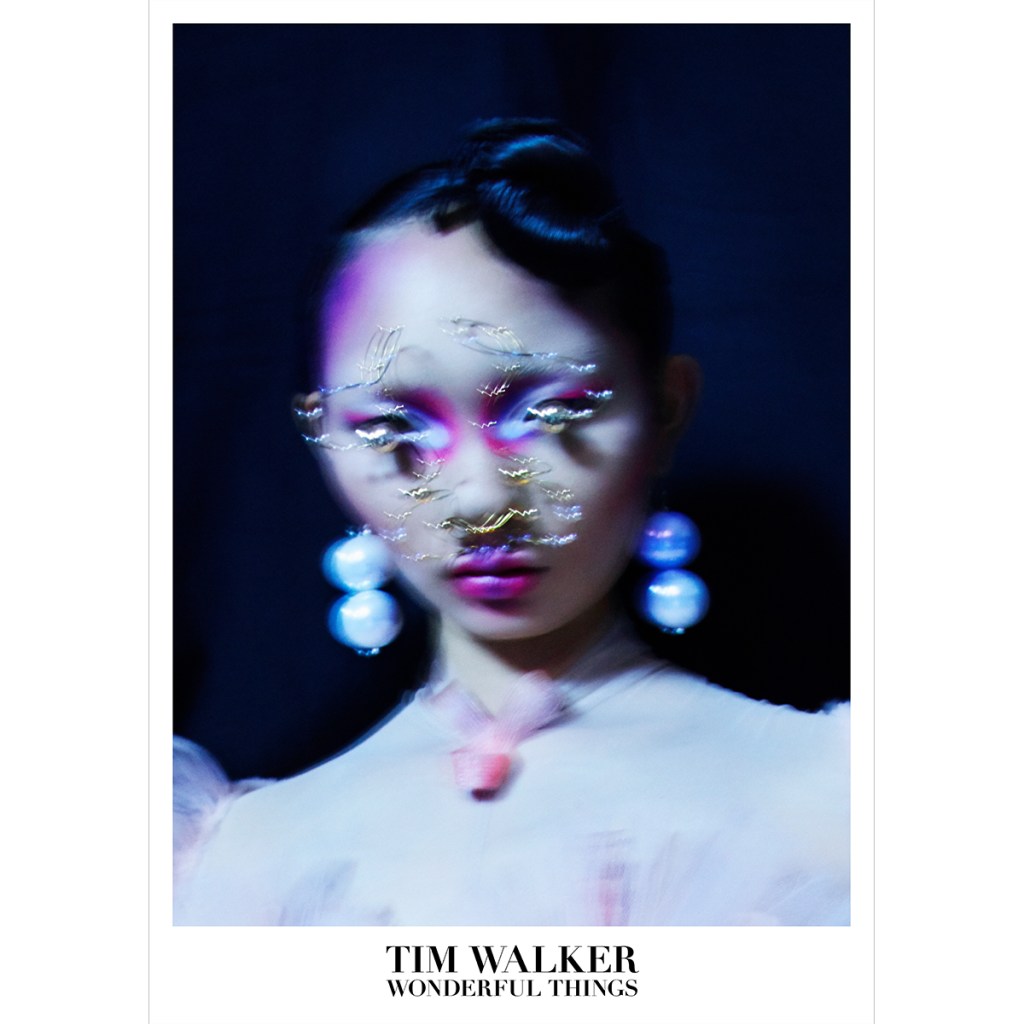
The Tim Walker: Wonderful Things exhibition at the Victoria & Albert Museum was among the last exhibitions I got to see before the Covid-19 physical distancings restrictions were set in place in the UK. I have been a fan of Tim Walker and his work ever since I was in my late-teens; his photo collection book ‘Picture’ was prominently placed in the corridor of my apartment in Berlin, with my walls being decorated with his fantastic and strange images. Tim Walker might also be part of my decision to study fashion design at ESMOD which was the reason for me to move to the capital city of my native Germany in the first place (and which I only did for a year – the reality of the fashion industry somewhat caught up with me …). The exhibition took me back to those time, and was simultaneously a good opportunity to catch up with the more recent work of the artist.

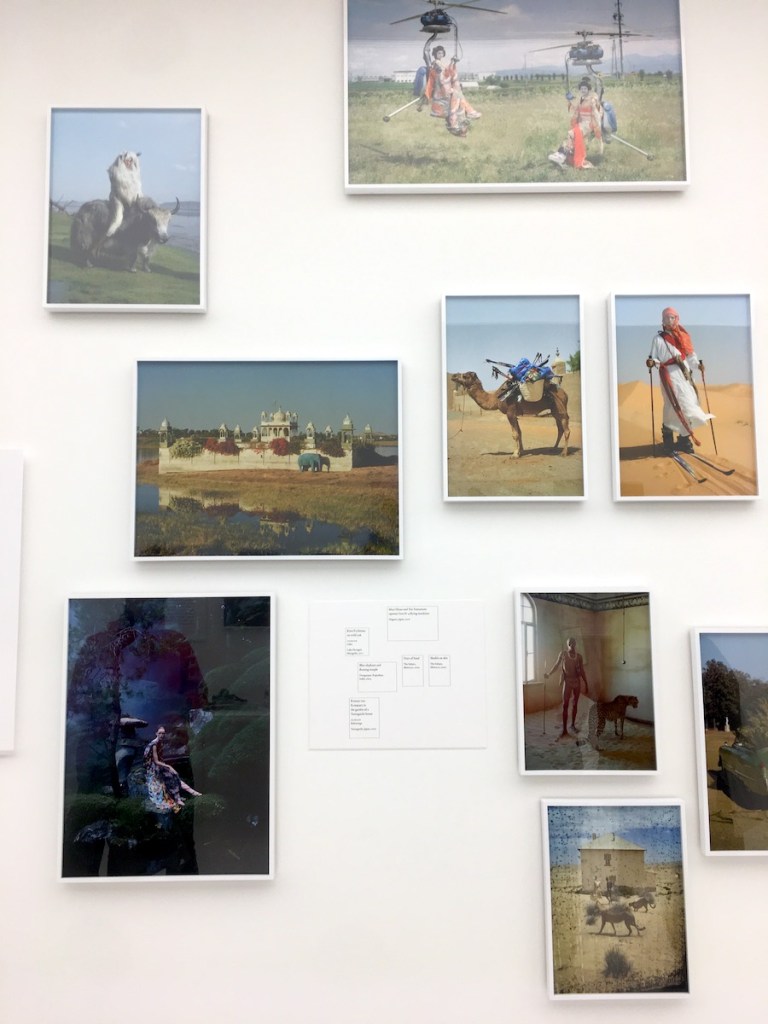
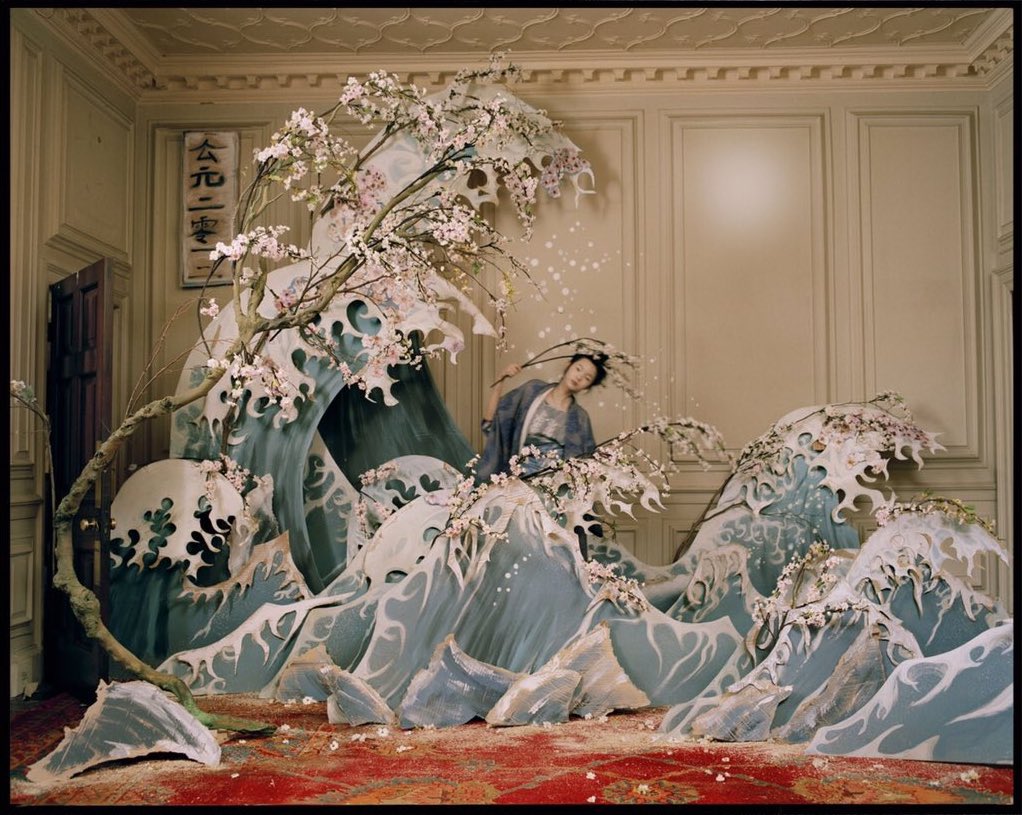
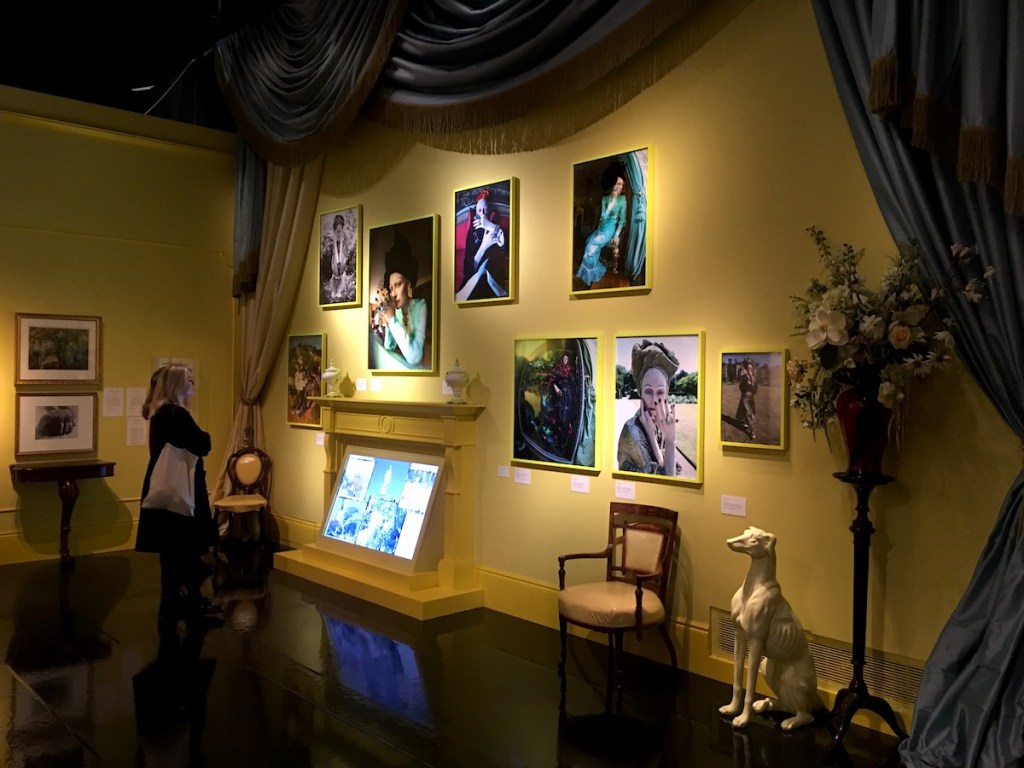
The first room gave a brief history over the career of Tim Walker, with the walls being filled with photographic images forming a sort of retroperspective of the artist’s creative ventures so far. Among them was the famous image of musicians Mari Hirao and Yui Yamamoto clad in full geisha kimono ensembles while operating Gen h-4 flying machines you can see below. Another one was one of my favourites by the artist which portrays model Xiao Wen Ju placed into a recreation of Hokusai‘s popular ukiyo-e woodblock print The Great Wave off Kanagawa‘.

Mari Hirao and Yui Yamamoto operating Gen h-4 flying machines, Nagano, Japan (2016).
© Tim Walker Studio, London.
Xiao Wen Ju with Hokusai’s Great Wave of Kanagawa, Eglingham, Northumberland (2012).
© Tim Walker Studio, London.

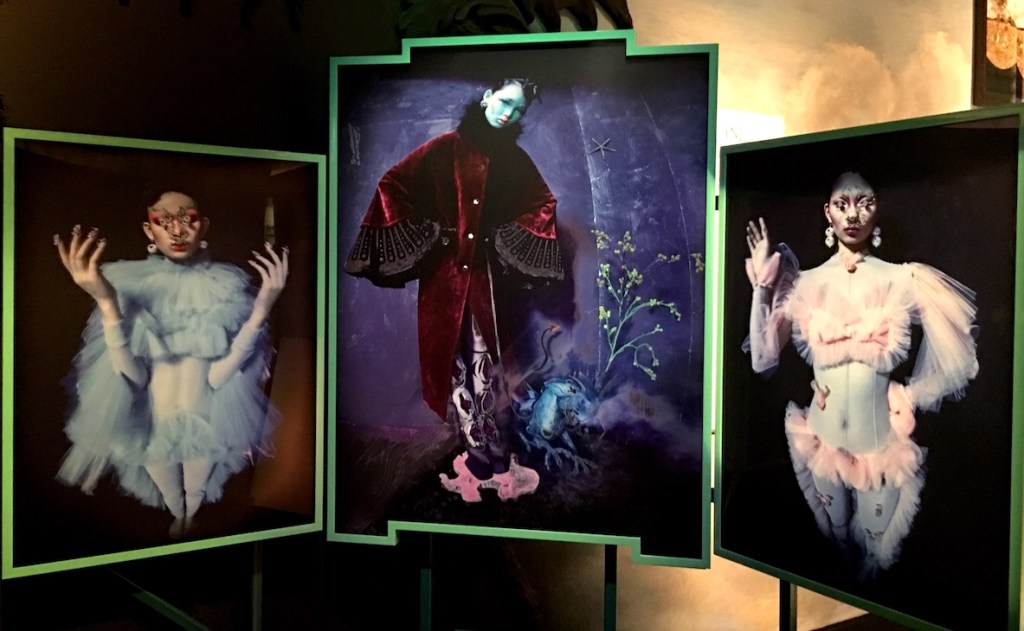
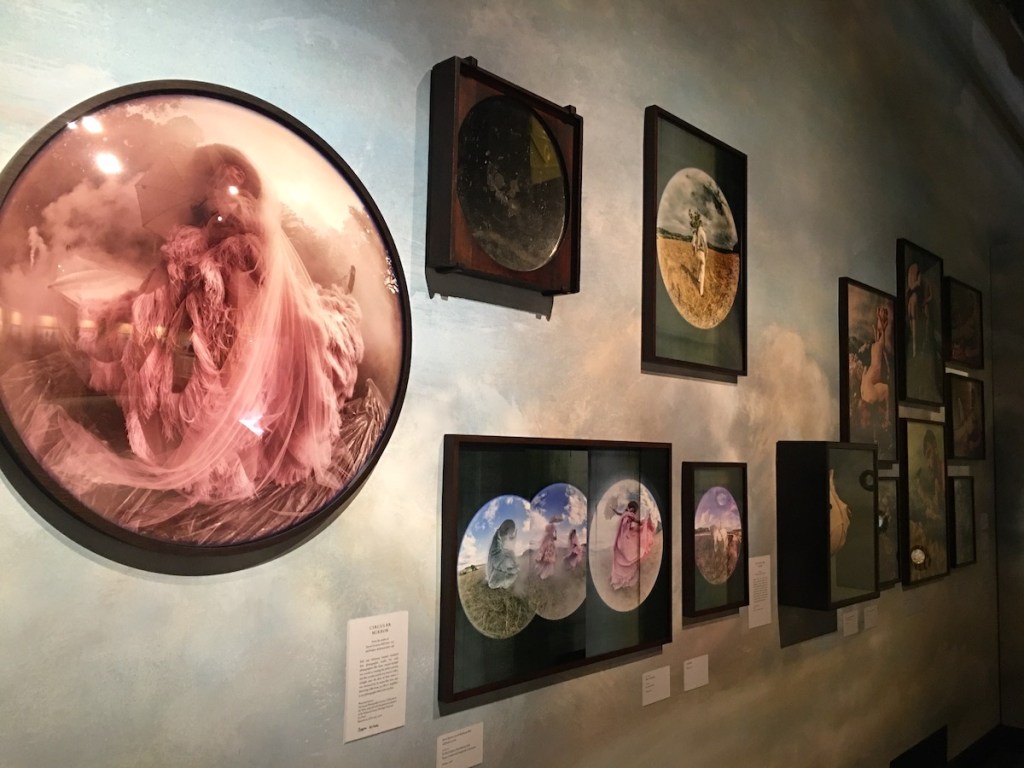
The second part of the exhibition focused on the works Tim Walker exclusively created for the exhibition. Taking different objects, or: ‘wonderful things’ from the V&A’s vast and diverse collection as the basis of inspiration, the photographer created ten series of photographs which were creatively displayed in different sections. The displays really added an emphasis in emersing oneself in the world of the artist.
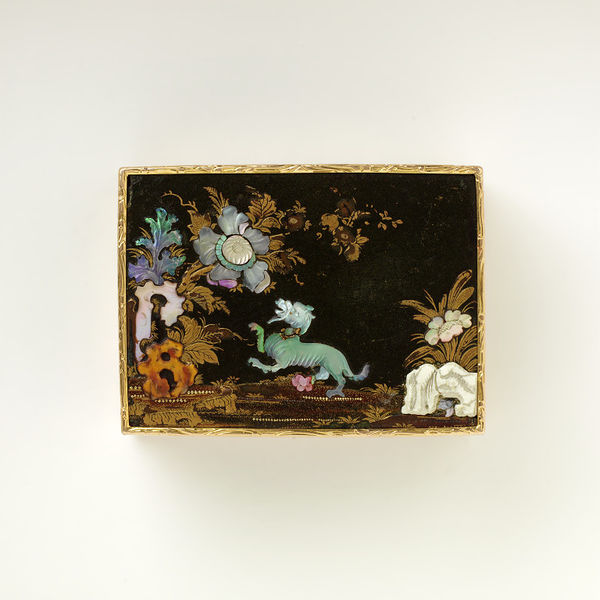
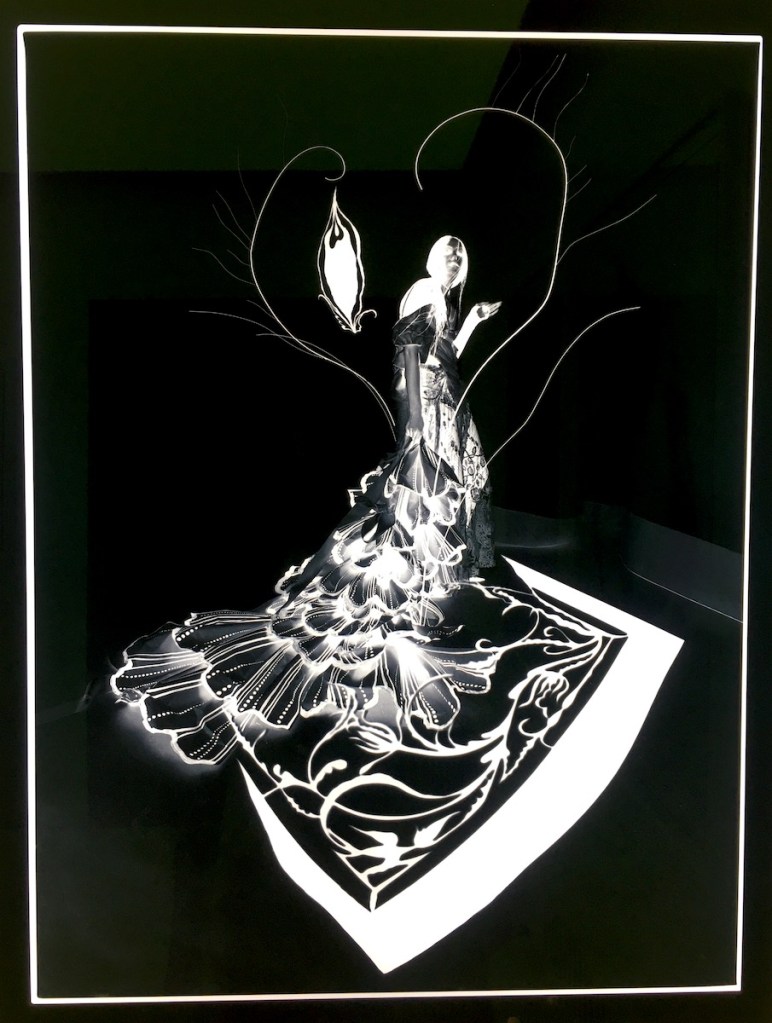
My particular favourite was probably the Lil’ Dragon photo series inspired by an 18th century Chinoiserie snuffbox depicting a dragon on its front. Walker himself said about the series: “As soon as I saw [the snuffbox] with a dragon on it, I visualised an empress walking her pet dragon at night and picking a flower that only blooms at full moon”. I love how Walker translated the colours and strange imagery into darkly romantic photographs using UV light in front of dark black backgrounds, with main model Ling Ling’s make-up being done by Berlin-based drag artist Hungry.

Snuffbox by unknown artist (c. 1745).
© Victoria and Albert Museum, London.
Lil’ Dragon by Tim Walker (2018).
© Victoria and Albert Museum, London.

Other sources of inspiration ranged from Aubrey Beardsley’s black ink illustrations over the storage objects used by textile conservators at the V&A all the way to the wardrobe of the eccentric British poet Edith Sitwell.

All in all this was a truly wonderful exhibition, showcasing the creative talent of the British fashion photographer in a very approriate, Walker-esque way. It would be great to see more exhibitions like this in the future, with different artists taking inspiration from the museum’s collection to create new commissions.

Viictoria & Albert Museum
Tim Walker: Wonderful Things
Exhibition Dates: 21 September 2019 – 22 March 2020

All images, unless otherwise stated, © Carolin Becke.

Keep on reading!

Sway Gallery London: ‘The Creation of Modern Kimono: KIMONO MAGIC SOCIETY POP UP’

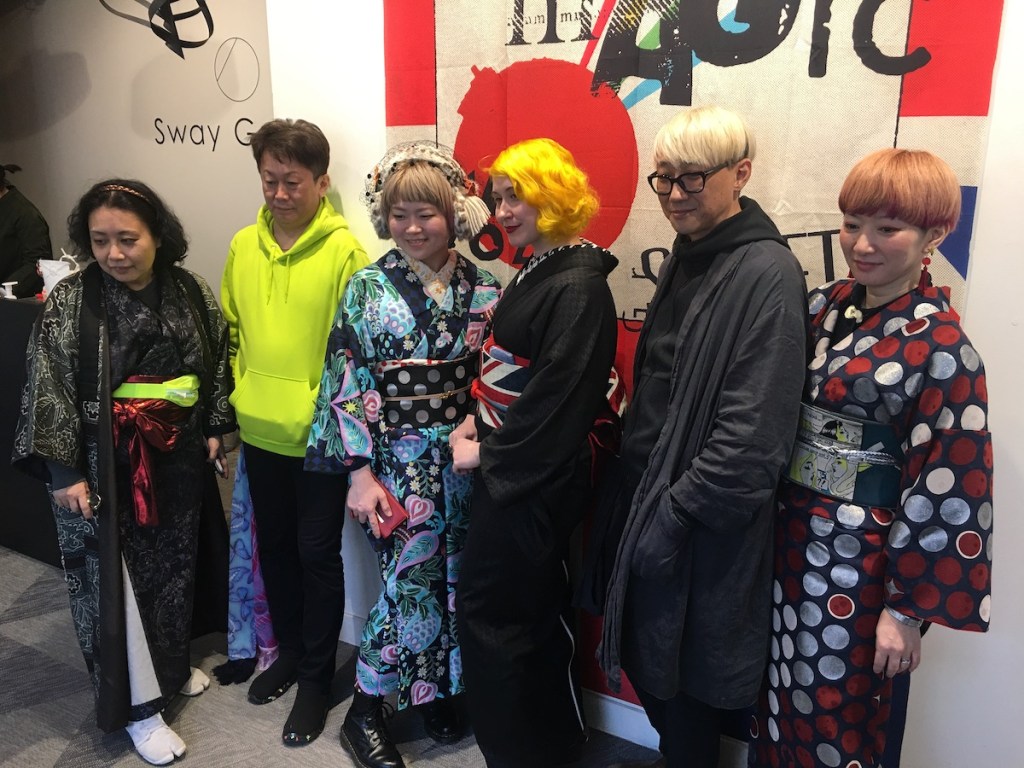
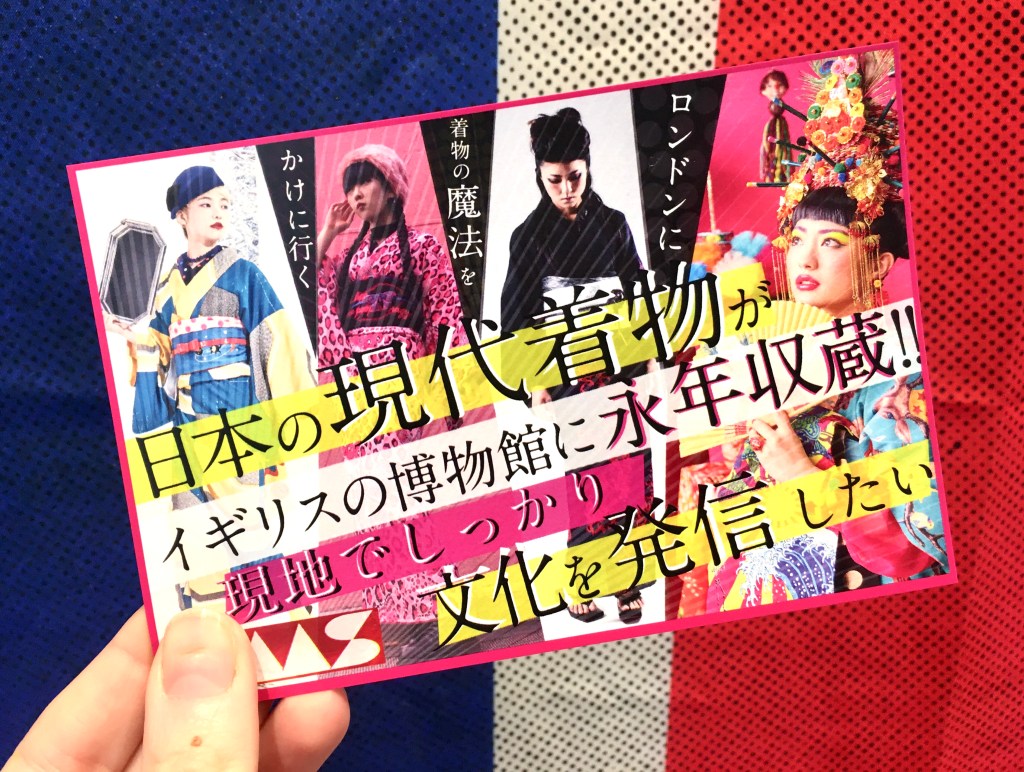
The Creation of Modern Kimono: KIMONO MAGIC SOCIETY POP UP was held from February 29th to March 4th at Sway Gallery London. Yoshihide Hirayama and Asako Yamamoto from Modern Antenna, Tamao Shigemune from Tamao Shigemune (重宗玉緒), Rumi Shibasaki from Rumi Rock, as well as Narutoshi Ishikawa from iroca, forming the The Kimono Magic Society, were all in attendance, showing off the latest designs from their respective brands. This was a great chance for me to get to know the designers in person, interviewing each of them for my research on contemporary kimono fashion. While united under the banner of ‘kimono as fashion’, every single one of them has a unique outlook and approach, visible in their respective designs pictured below.

The highlight of the pop up was the fashion show held on Sunday March 1st. Kimono influencers Anji Salz and Sheila Cliffe joined the spectacle which was a great chance for the general public to see the designs coordinated and styled on real-life models.

All designers posing with kimono fashion influencer Anji Salz.
A packed Sway Gallery! Anna Jackson, main curator of the ‘Kimono: From Kyoto to Catwalk‘ exhibition, as well as author and research Sheila Cliffe were present as well.

Overall, this was a great event which provided the designers with the opportunity to showcase their skills and share their kimono expertise with people based in the UK. All brands have some of their works featured at the ‘Kimono: From Kyoto to Catwalk‘ show held at the Victoria & Albert Museum, a fantastic exhibition which I will cover in my next post, so stay tuned 🙂

Royal College of Art: ‘Kimono Magic Society: Kimono Bash’

On February 28th, I attended the ‘Kimono Magic Society: Kimono Bash’ event held at the Royal College of Art in London. The Kimono Magic Society consists of the designers and creators behind contemporary kimono fashion brands Rumi Rock, Modern Antenna, Tamao Shigemune (重宗玉緒) and iroca, who all have their designs featured in the ‘Kimono: From Kyoto to Catwalk‘ exhibition currently held at the Victoria & Albert Museum. The event mainly consisted of a fun and practical exploration of contemporary kimono. Besides being able to try on kimono and obi, attendees could also get their hands on customising their own obi to go with a coordinate put together by one of the brands. Below you can see my and a fellow attendees attempt in styling an obi for a Rumi Rock outfit.

Another part of the event was the ‘Kimono in Conversation’ discussion facilitated by Sarah Cheang, senior tutor at the Royal College of Art, Elizabeth Kramer, senior lecturer at Northumbria University, Clare Johnston, a textile designer based in London, and the infamous Sheila Cliffe, a kimono researcher, stylist and influencer based in Tokyo. The conversation centered around kimono as a fashionable garment, with the panelists sharing their individual encounters with kimono, and engaging with the audience on questions of the past and current state of kimono in Japan.

One of the most interesting insights that came out of the panel for me was this statement by Sheila who commented on the body and kimono, challenging a long held stereotype on the garment: ‘The idea that the kimono ignores the body is a misunderstanding. The kimono does not ignore the body. In fact, the fitting in Western clothes is done at the cutting stage; you cut the clothes to fit the body. So, unless you have something tailor-made, it actually does not fit the body. YOU have to fit into a size 12, or size 14. […] Whereas kimono, there is fitting. The fitting takes place in the dressing process, not the cutting process. And because it takes place in the dressing process, when you fold and wrap, you can fit it perfectly to the body without cutting anything.’ The idea that kimono ignores the body never sat right with me, but I could not precisely articulate why. Sheila managed to completely break down the idea however, presenting a highly convincing argument which I will now use as well!

Overall, this was a very engaging and fun event which managed to find a good balance between physical engagement with the garments, as well as some contextualising debates on them. It would be great to keep the conversation going and have more encounters like this in the near future!

The Kimono Magic Society also hosted a pop-up exhibition and shop at Sway Gallery in East London, which I will cover in my next blog post so stay tuned!

Fashion and Textile Museum, London: ‘Weavers of the Clouds: Textile Art of Peru’

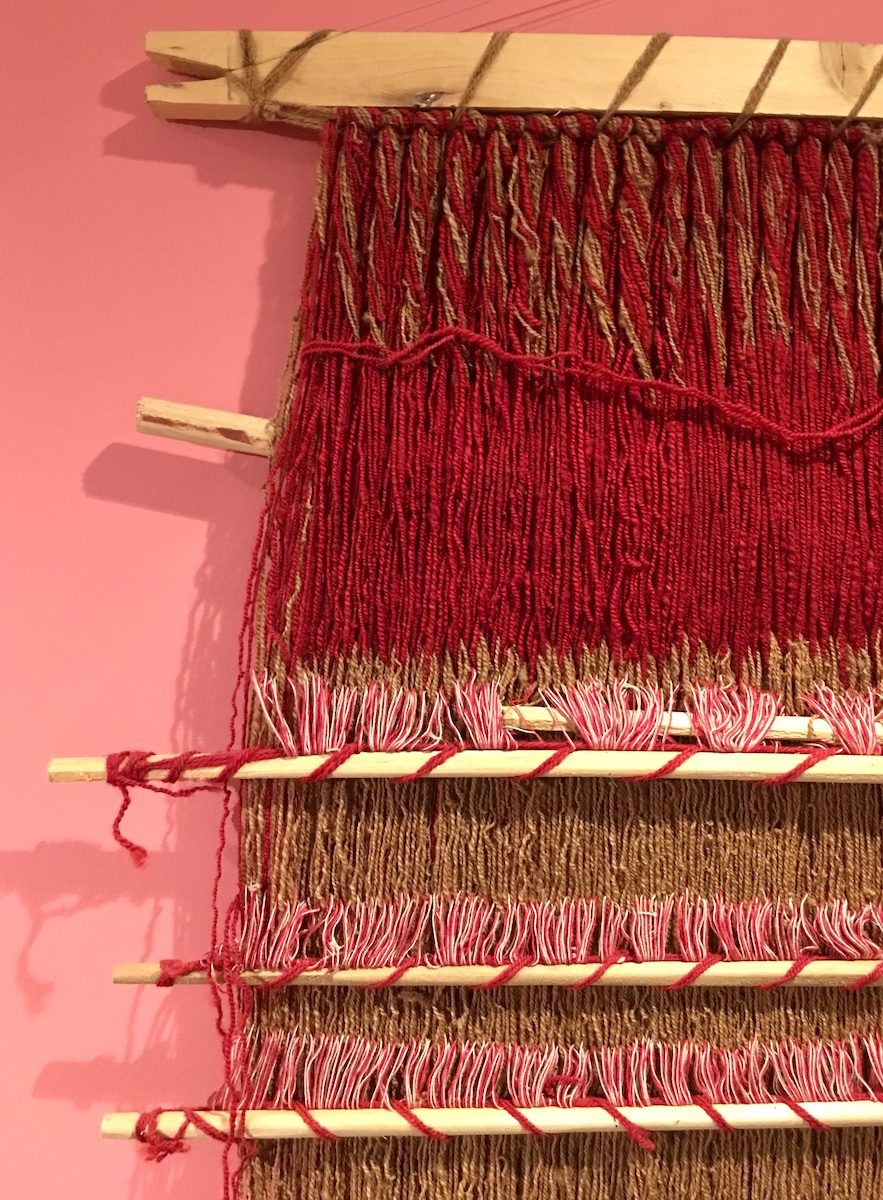
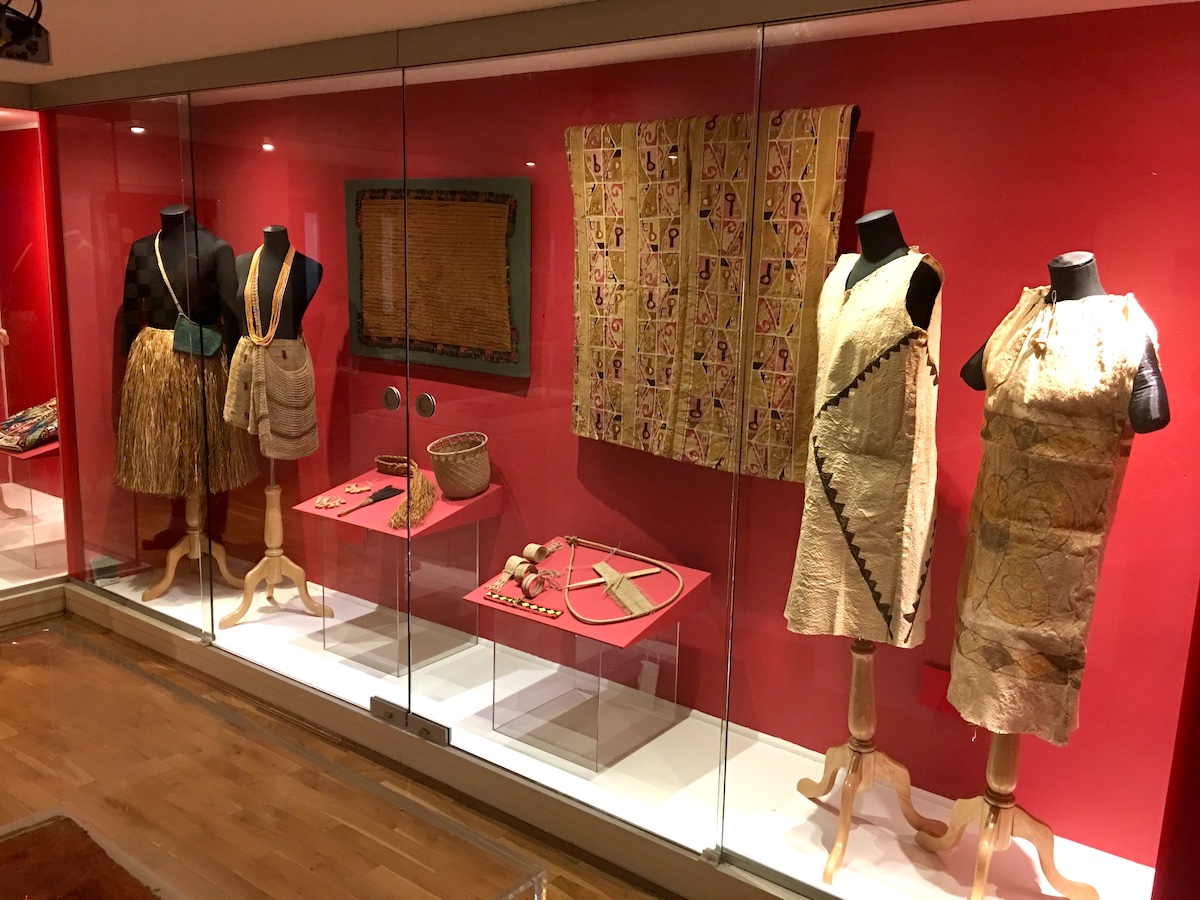
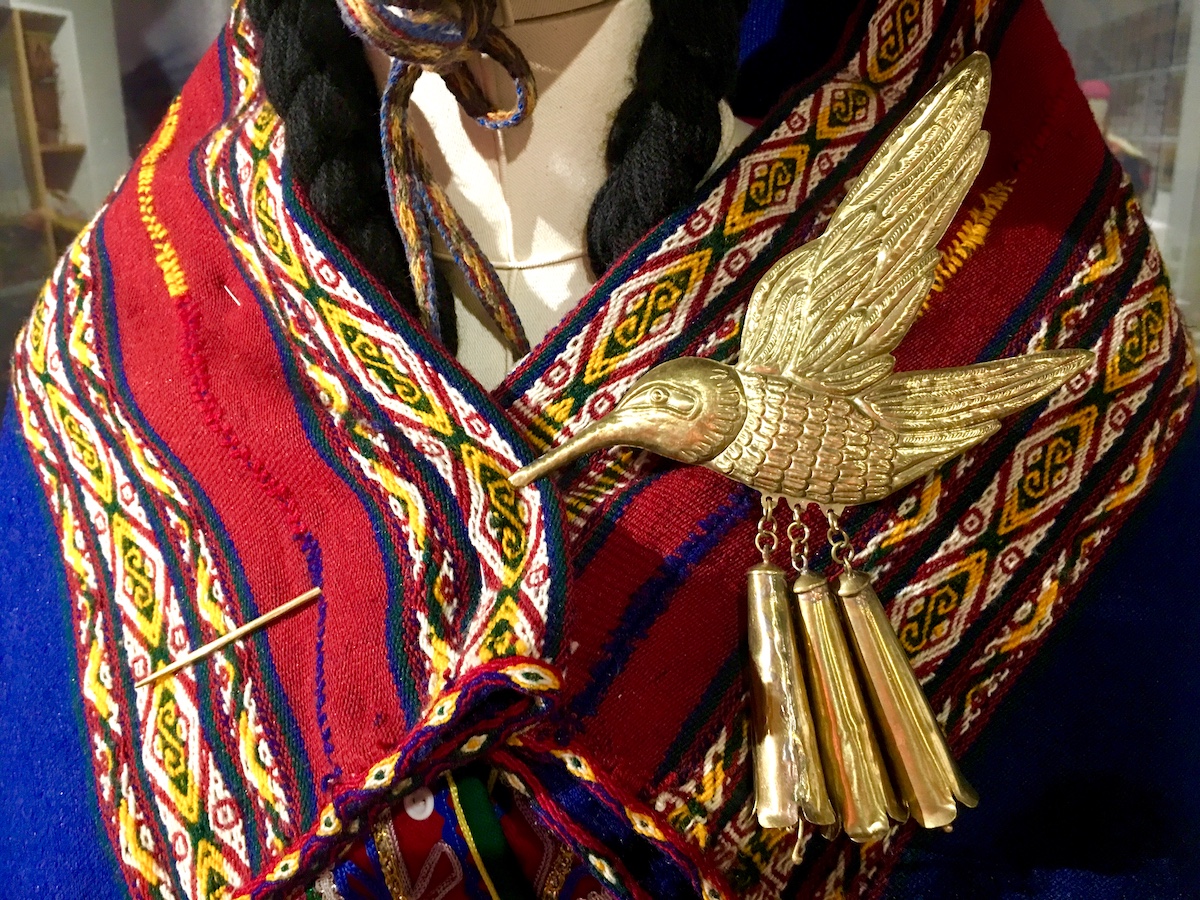
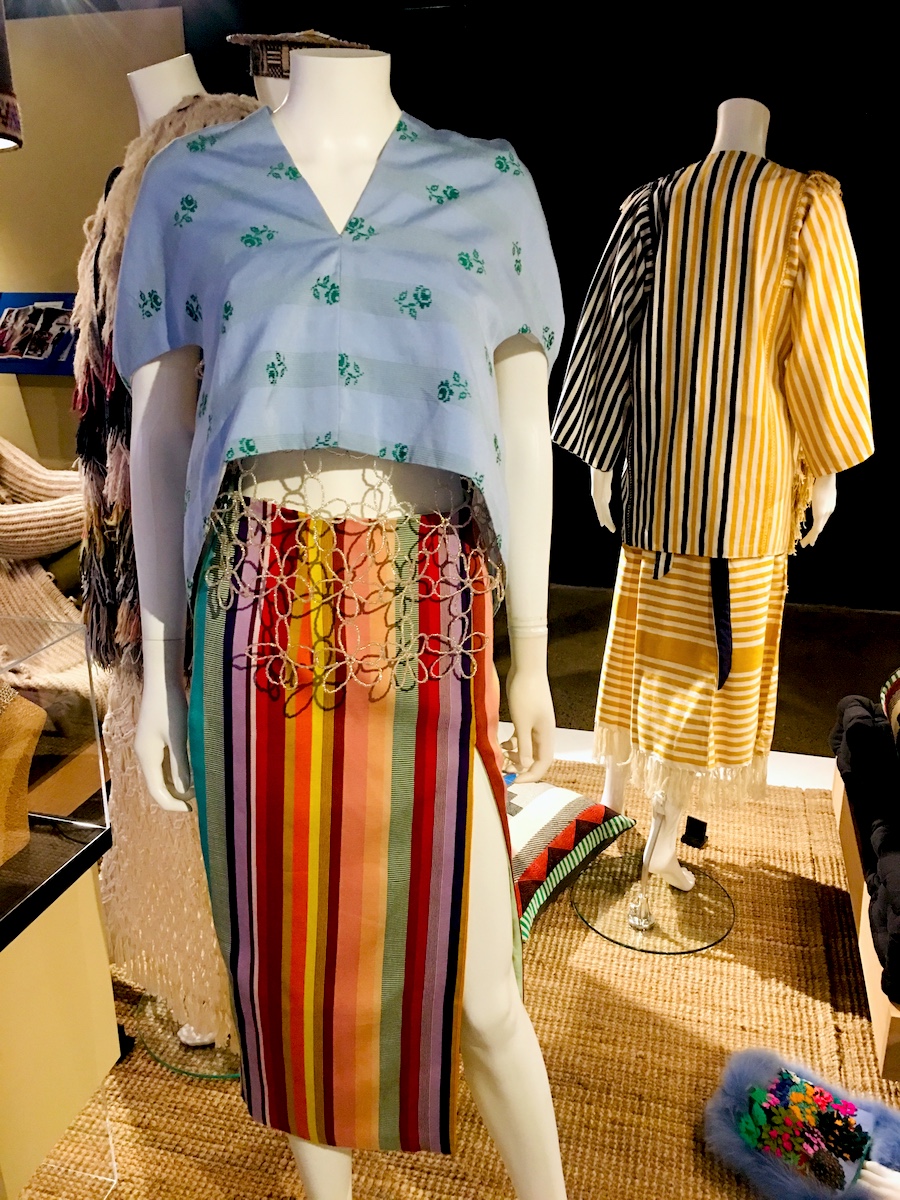
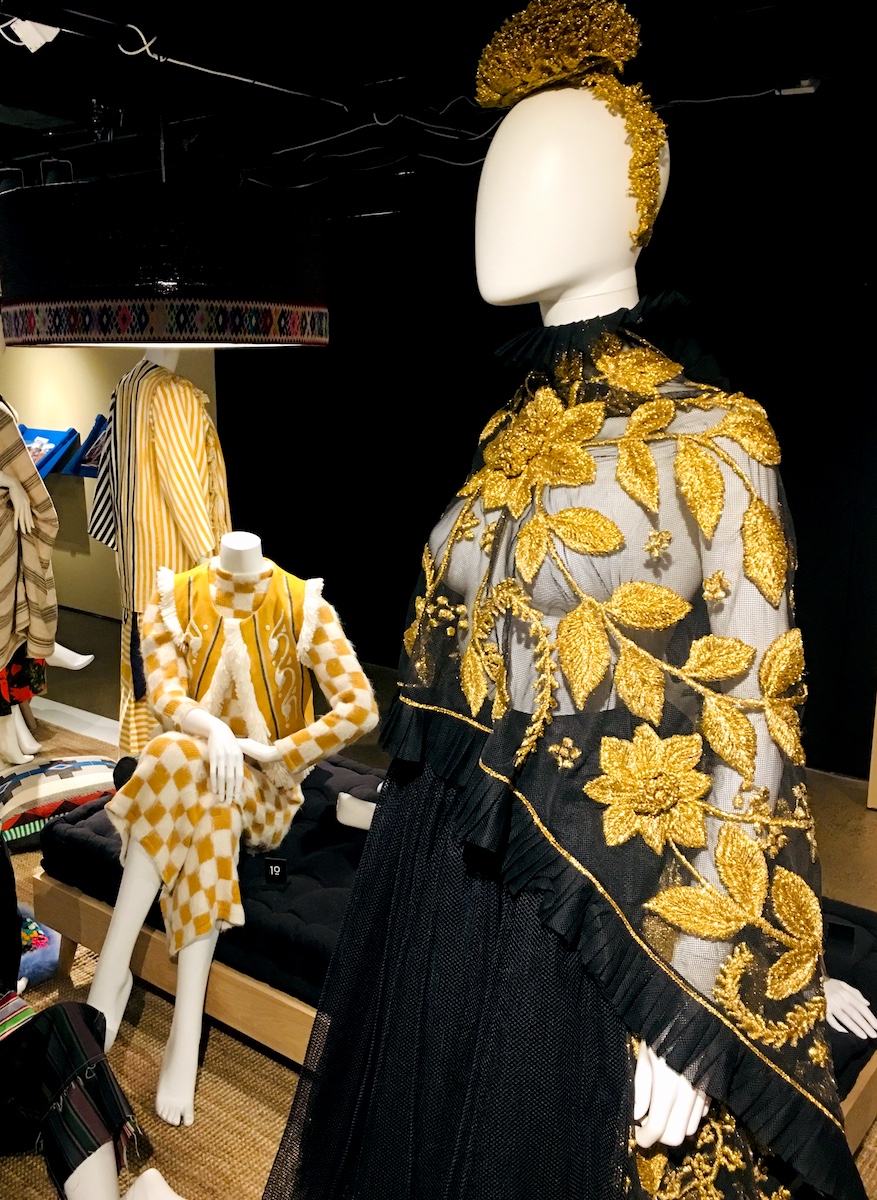
I have to admit that despite having lived in London for almost six years now, I never managed to visit the Fashion and Textile Museum. This disgraceful behaviour finally came to an end however when I went to see the museum’s current exhibition titled Weavers of the Clouds: Textile Art of Peru. The exhibition initially sparked my interest as I’m a great lover of colourful textiles and crafts, and I surely wasn’t disappointed!

The exhibition makes a fantastic job at giving an insight into Peruvian textiles and crafts ranging from the Pre-Columbian period until today, showcasing the diverse influences that have influenced the country’s cultural and social practices. Quipu, or ‘talking knots’, are displayed as well as contemporary pieces by fashion designer Meche Correa and photojournalist Sebastian Castaneda Vita. I have added some visual impressions of the exhibition below, but definitely make sure to go and see it for yourself – I’m sure that you won’t be dissapointed! 🙂

Fashion and Textile Museum
Exhibition Dates: 21 June – 8 September 2019
Open Tuesdays to Saturdays, 11am – 6pm
Thursdays until 8pm
Sundays, 11am – 5pm
Last admission 45 minutes before closing
Closed Mondays

All images © Carolin Becke.

Wallace Collection: ‘An Enquiring Mind: Manolo Blahník at the Wallace Collection’

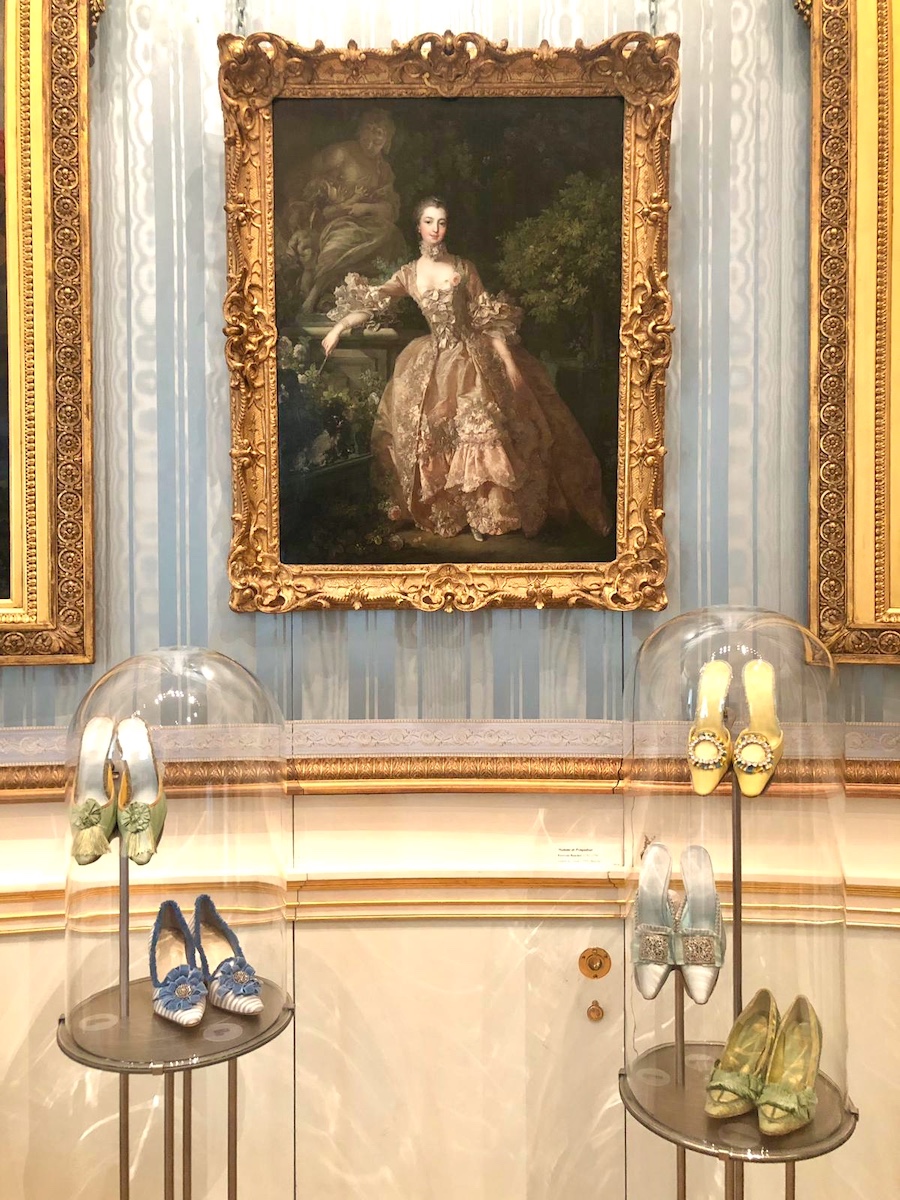
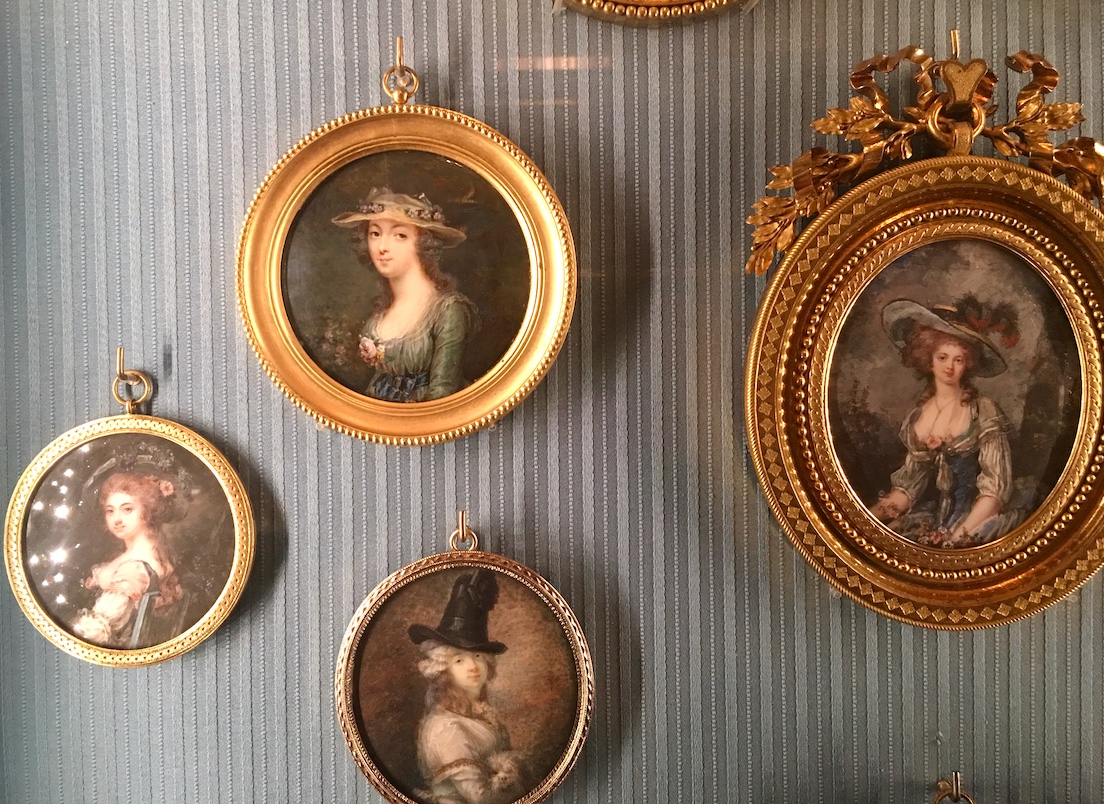
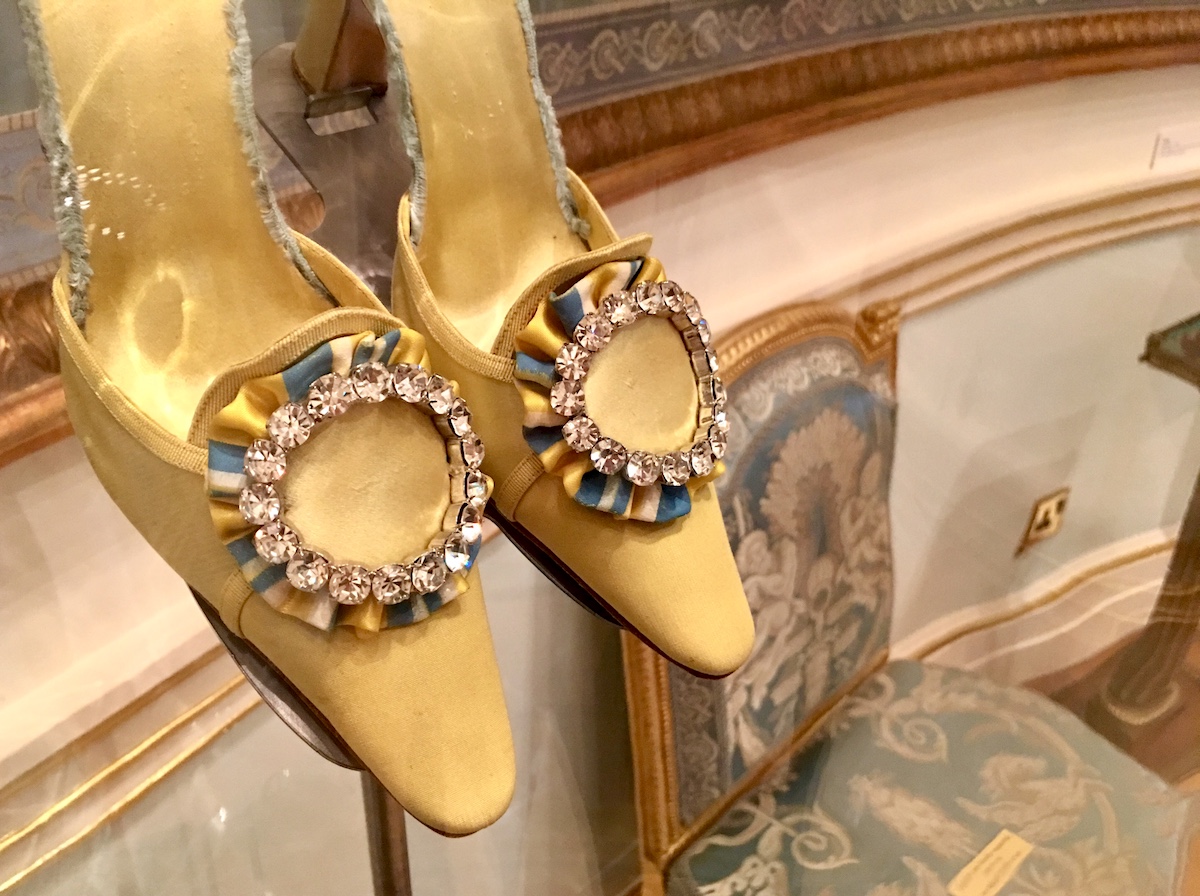
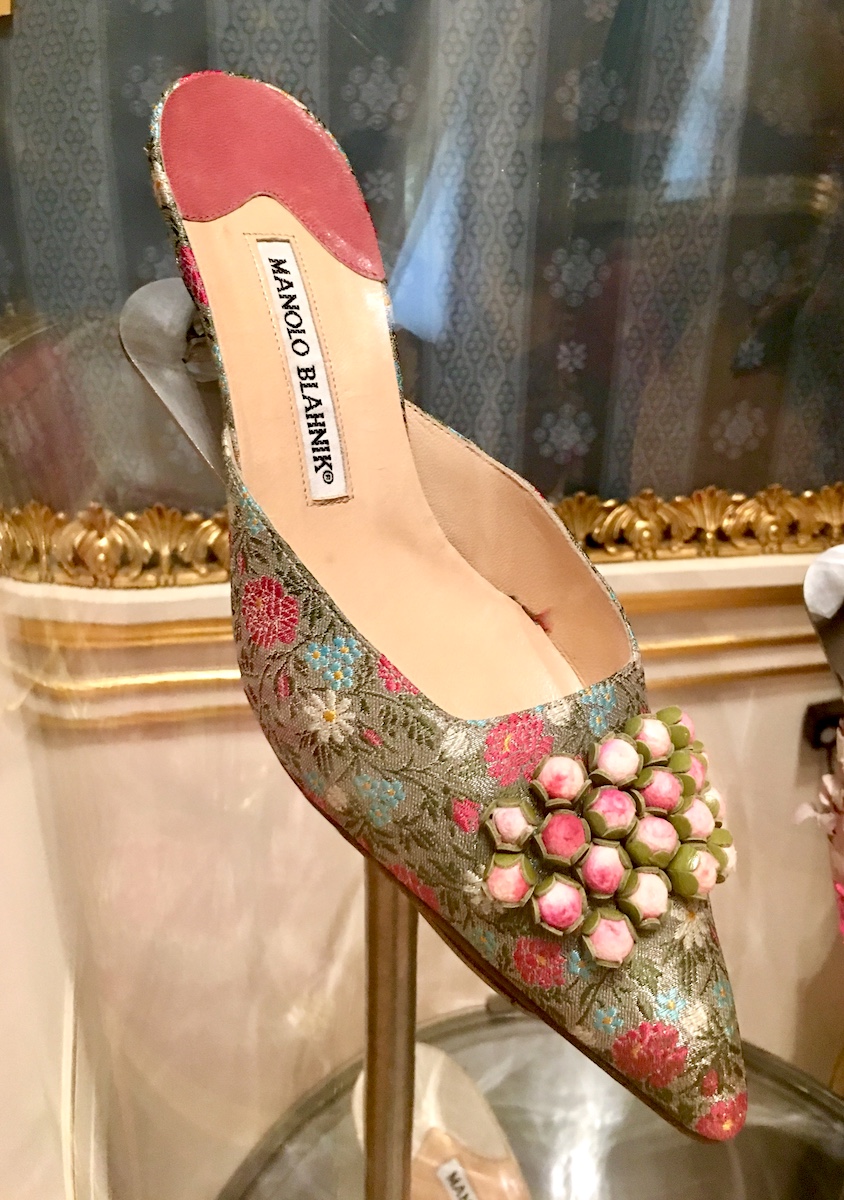
Last weekend my old flatmate, friend and soon to be PhD candidate in art history (! 🎉) Aleks was in town, and we went to see the ‘An Enquiring Mind: Manolo Blahník at the Wallace Collection‘ exhibition. The exhibition displays some of Blahník‘s iconic shoe designs within the rooms of the Wallace Collection. The collection, which mainly focuses on works from the eighteenth-century, has long been a source of creative inspiration for the Spanish designer who used to and still visits on a regular basis.

Being assigned different themes, the shoes and displayed works of art create an interesting and highly enjoyable conversation on notions of luxury, artistic craftmanship and the human appreciation of all things beautiful. One of Aleks’ and my personal highlight, the display on the shoes featured in the movie ‘Marie Antionette‘ (2006) by Sofia Coppola, perfectly summarises all of these sentiments, so be sure to not miss out on this excellent exhibition!

Close-up of ‘Mademoiselle de Camargo Dancing‘ (1730) by Nicolas Lancret.
© The Wallace Collection, London.

Scene from ‘Marie Antoinette’ (2006) by Sofia Coppola. © Sony Pictures Entertainment.

If not otherwise indicated, all images © Aleks Bursac and Carolin Becke。

London Craft Week 2019

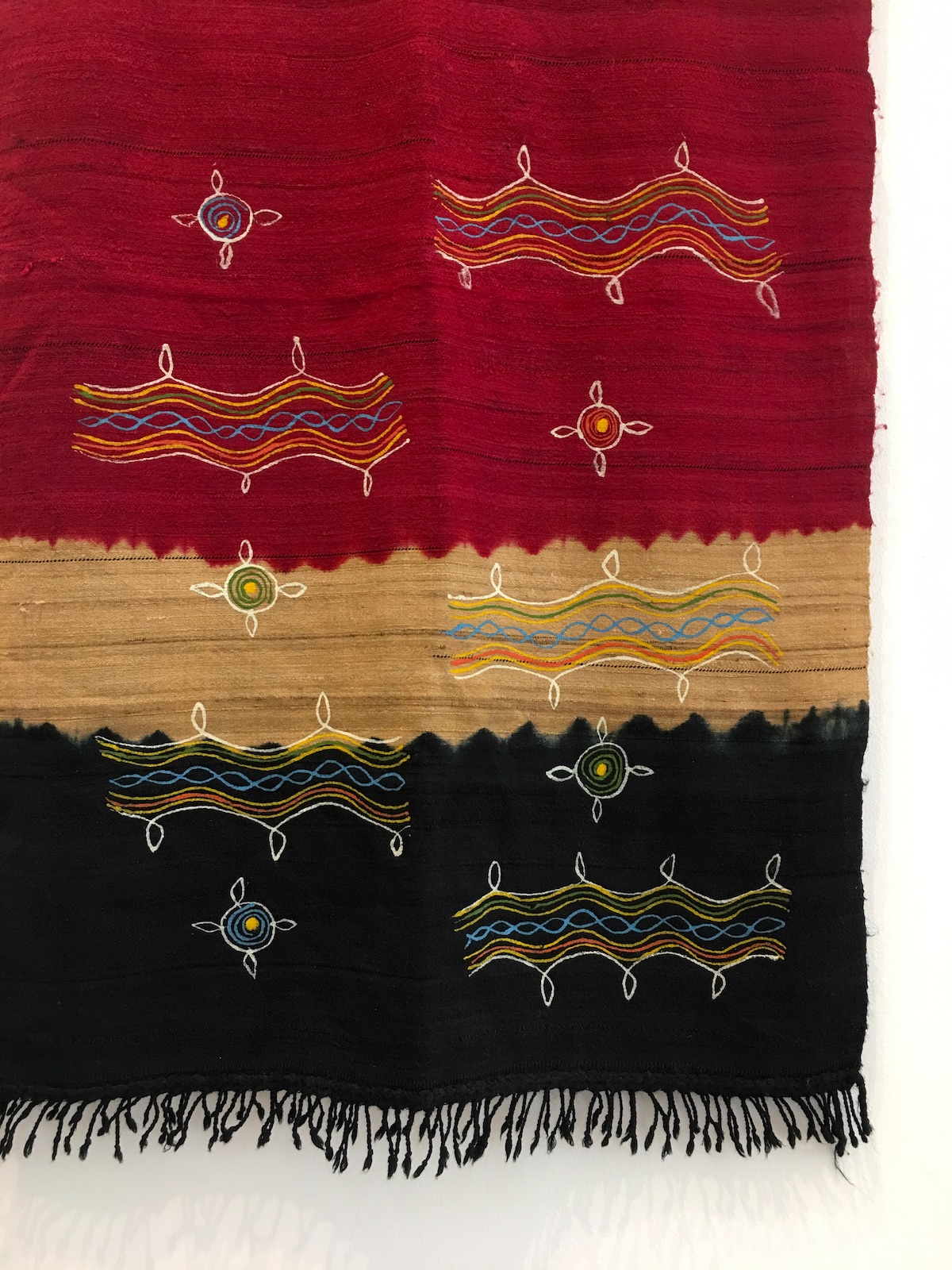
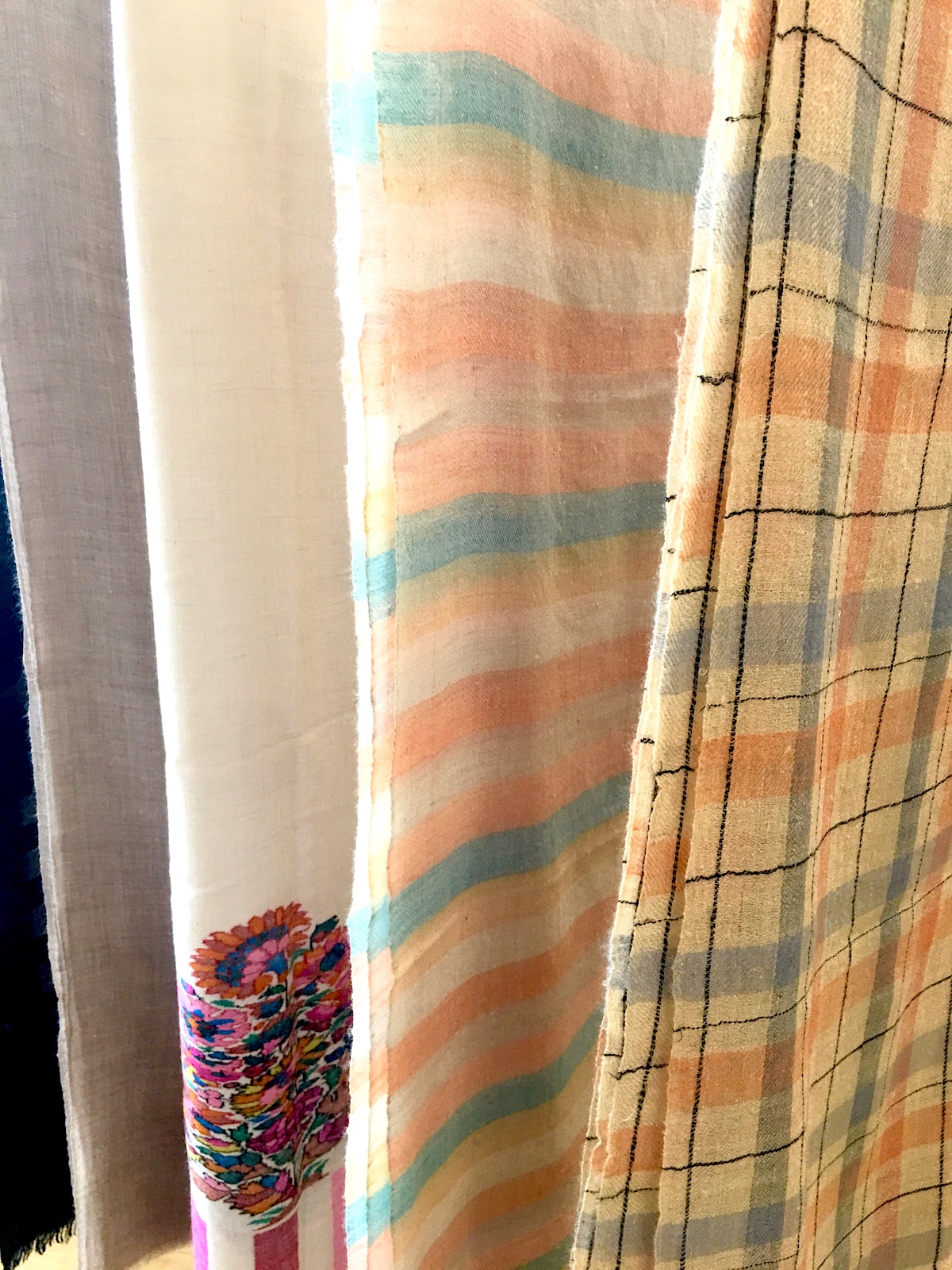
I’d like to share some visual impressions from London Craft Week, an annual event showcasing crafts and art from around the world. I particularly enjoyed the textiles from China and India, as well as Keqin Yan’s artworks. Have a look at some of my favourites below.

Beautiful China & Picturesque Zhejiang at Asia House
India Craft Week Preview at Nehru Centre
Bamford x Injiri at Bamford Mayfair
Calling For Spring, Keqin Yan at 67 York Street

All images © Carolin Becke

Japan House London: ‘Living Colours: Kasane – the Language of Japanese Colour Combinations’

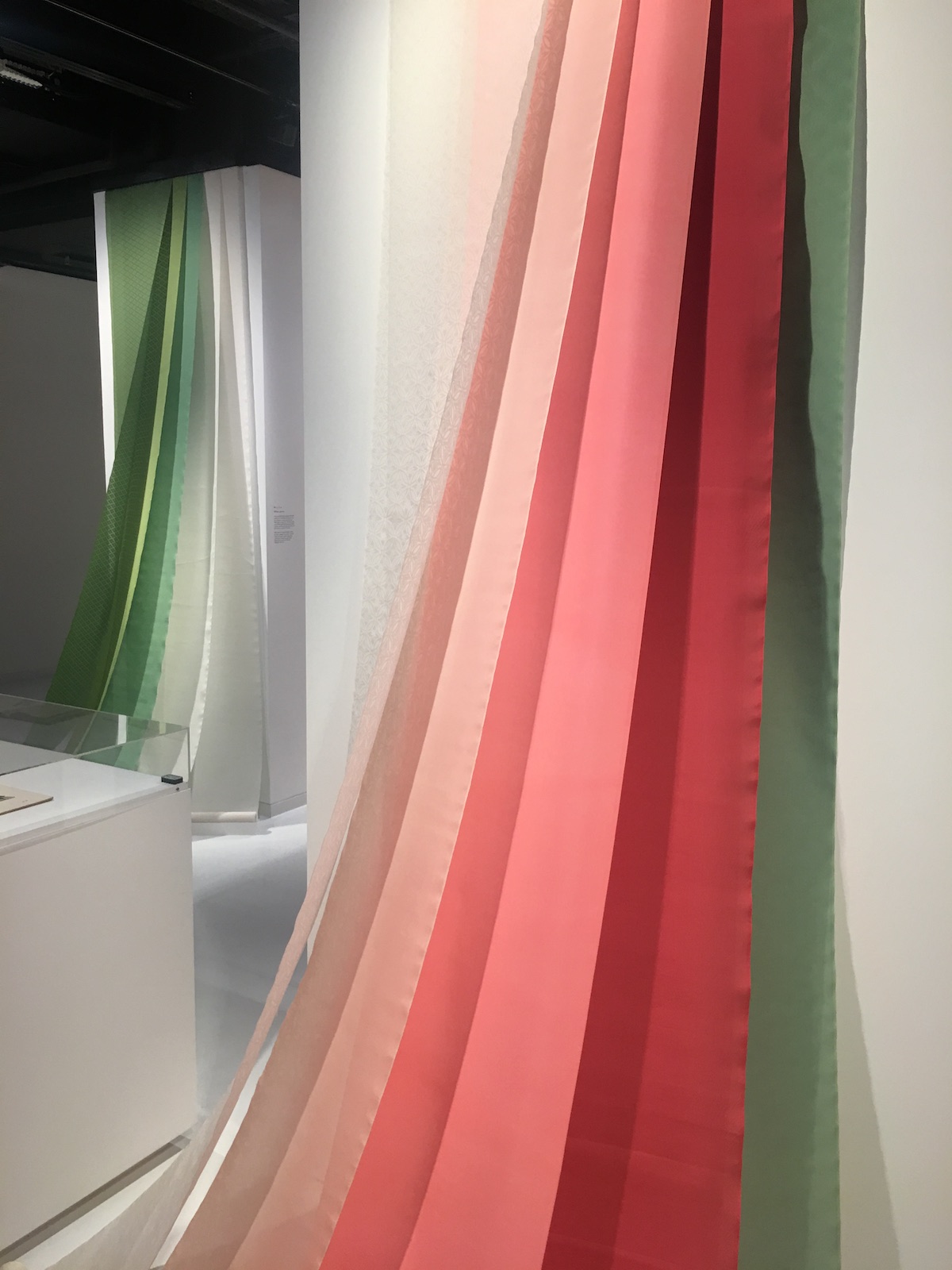
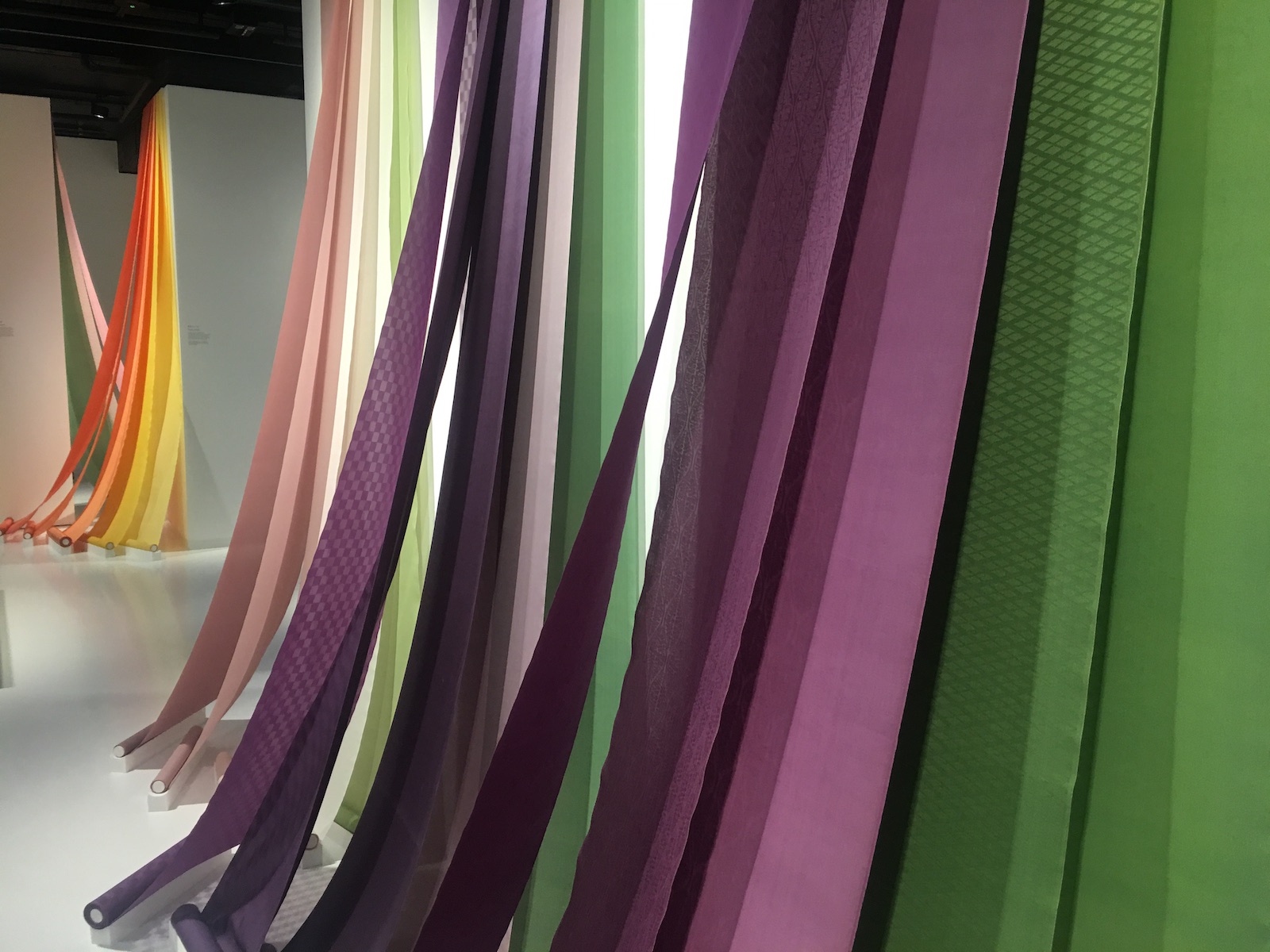
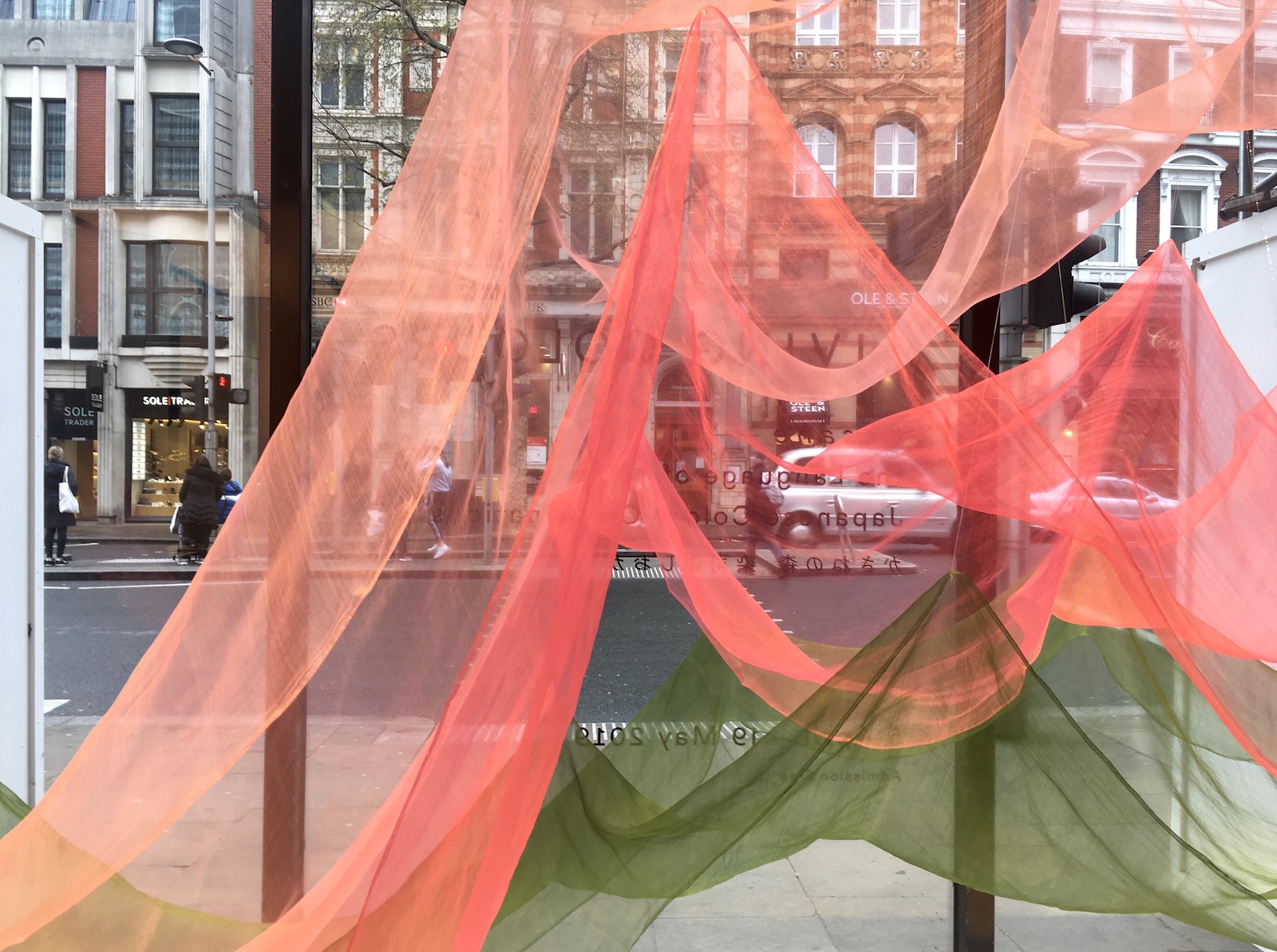
I went to visit the ‘Living Colours: Kasane – the Language of Japanese Colour Combinations ‘ (かさねの森 染司よしおか) exhibition currently staged at the Japan House in London last weekend (running until 19 May). The exhibition explores the work of the Kyoto-based Yoshioka Dyeing Workshop (染司よしおか) now operating in it’s fifth generation. Yoshioka Sachio is the current head of the operation with his daugther Sarasa set to soon take over the business.

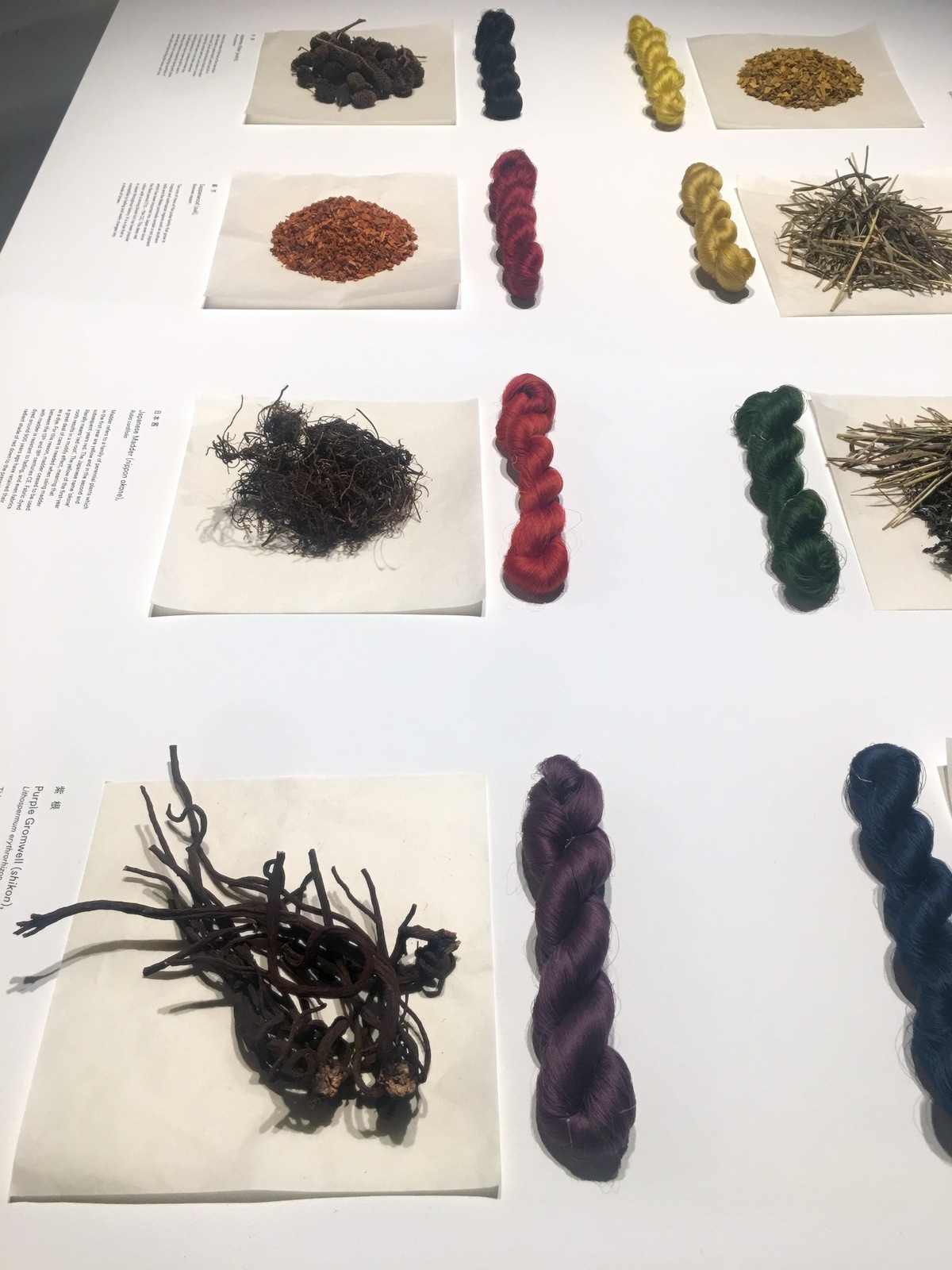
The exhibition mainly focuses on so-called kasane (かさね), the ‘concept of layering colours’. Specific colour combinations were particularly popular during the Heian period when fashion-conscious members of the aristocracy used them to communicate seasonal sensibilities. The exhibition showcases some of the most popular combinations, as well as the natural materials and tools used during the dyeing process.

The display is free of charge so I highly recommend a visit to anyone interested in Heian court culture and customs, as well as dying techniques and fabrics in general!

All images © Carolin Becke