Museum für Kunst und Gewerbe: Kimono Photographs

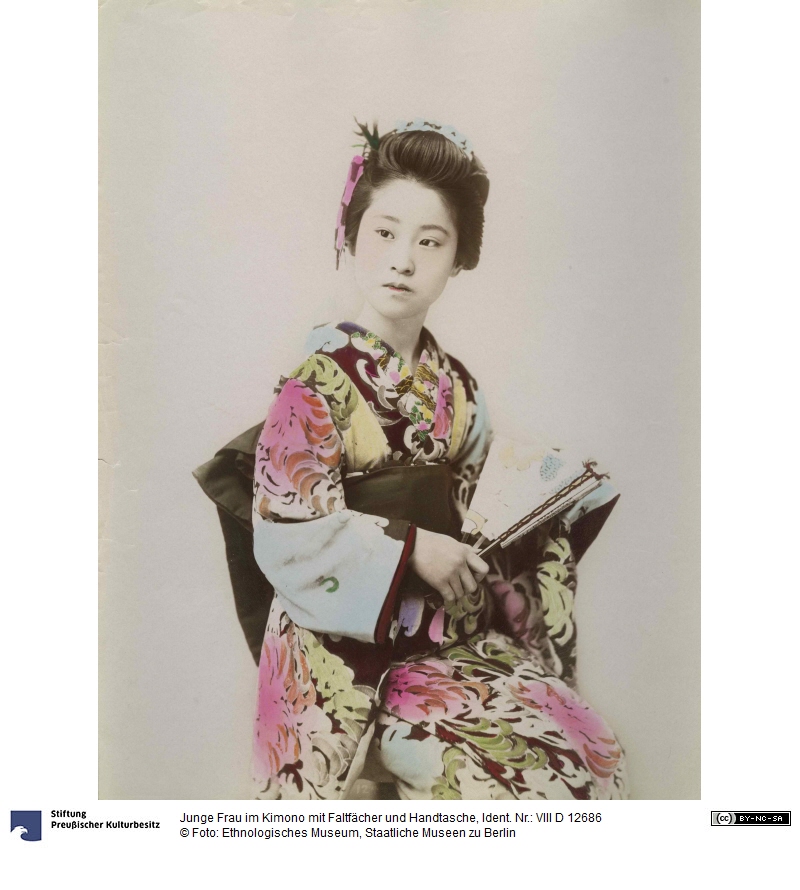
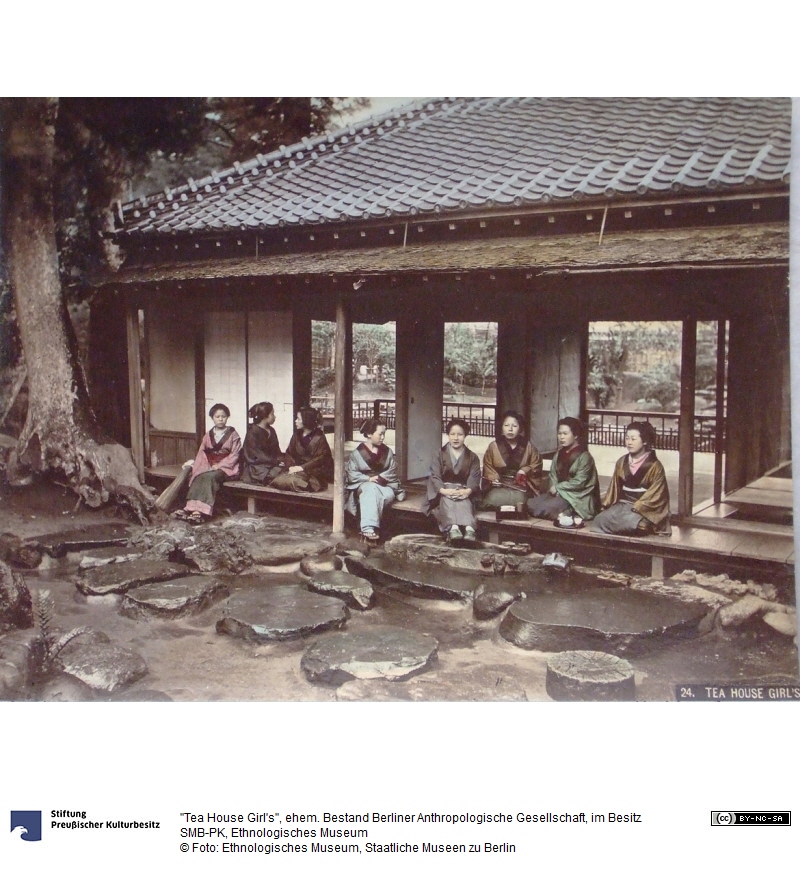
And another collection of kimono-related images from an online database, this time from the Museum für Kunst und Gewerbe which is located in my hometown, Hamburg. The pictures are mainly from European photographers Felice Beato and Raimund von Stillfried-Rathenitz, as well as Japanese national Kusakabe Kimbei. Kusakabe worked for the former two as an assistant for many years, until opening his own studio in Yokohama in 1881. He came to be regarded as the most respected and successful Japanese photographers of his generation. Many of the images in the studio’s catalogue featured depictions of Japanese women, which were popular with tourists of the time.
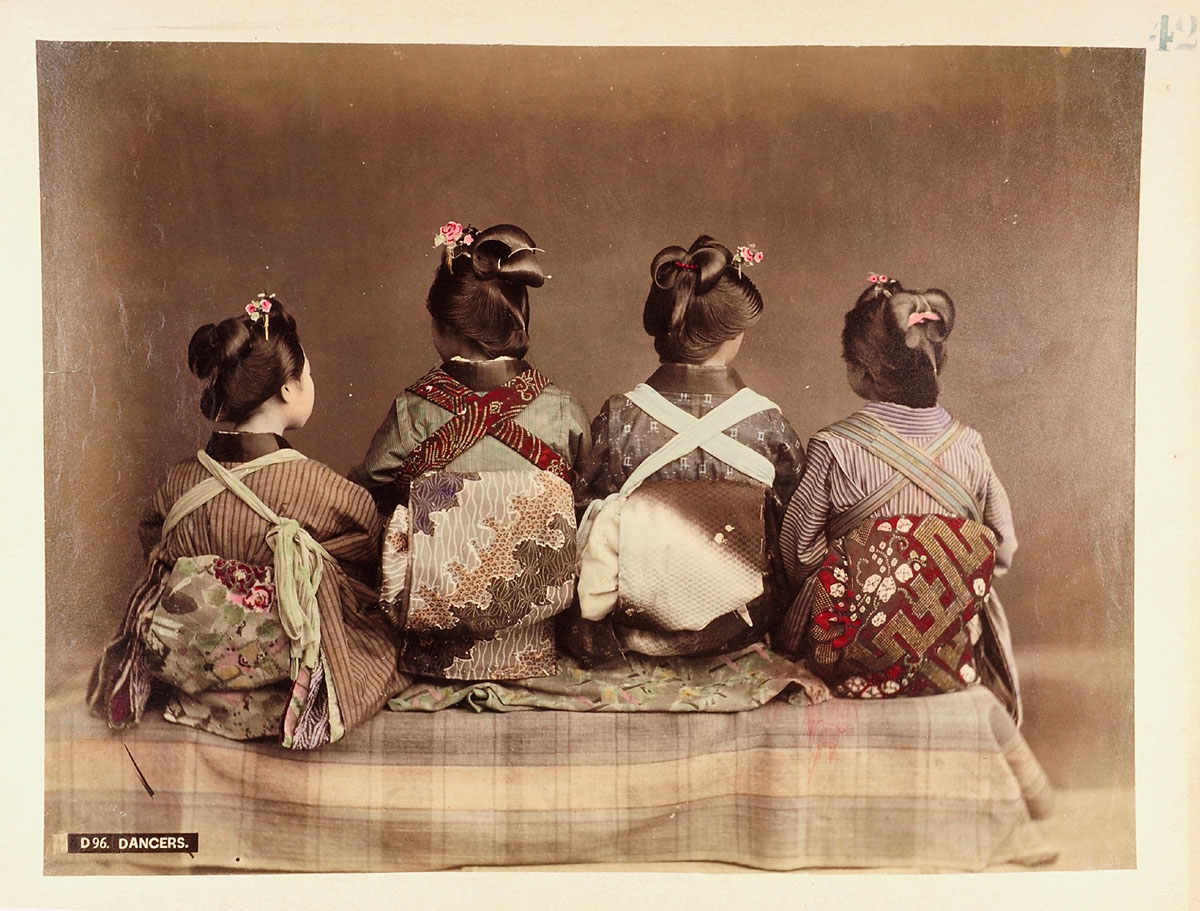
Four dancers by Kimbei Kusakabe (around 1880–1890).
© Museum für Kunst und Gewerbe, Hamburg.
Photograph by Felice Beato (around 1868).
© Museum für Kunst und Gewerbe, Hamburg.
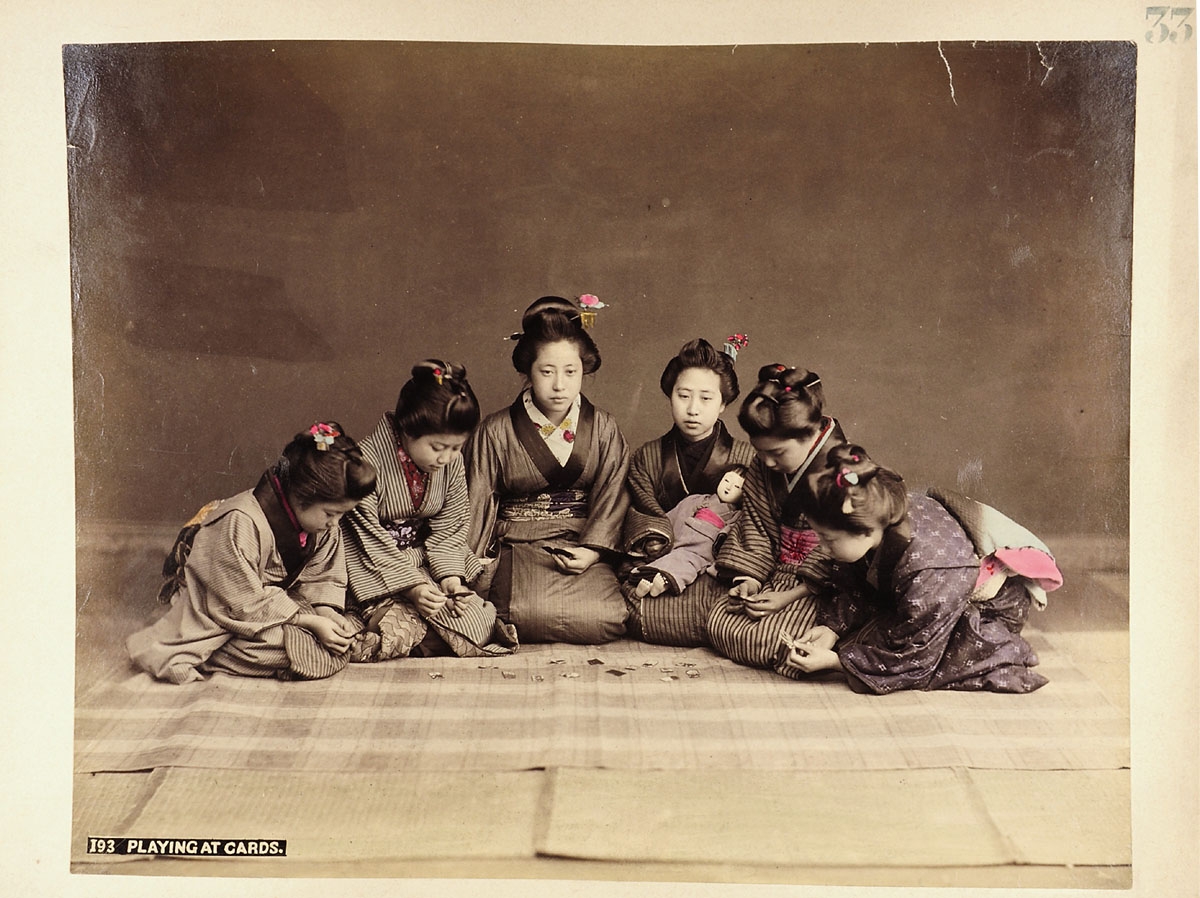
Photograph by unknown artist (around 1880-90).
© Museum für Kunst und Gewerbe, Hamburg.
Portrait of a young women by Raimund von Stillfried-Rathenitz (around 1870–1875).
© Museum für Kunst und Gewerbe, Hamburg.
Portrait of a young women by Raimund von Stillfried-Rathenitz (around 1870–1875).
© Museum für Kunst und Gewerbe, Hamburg.
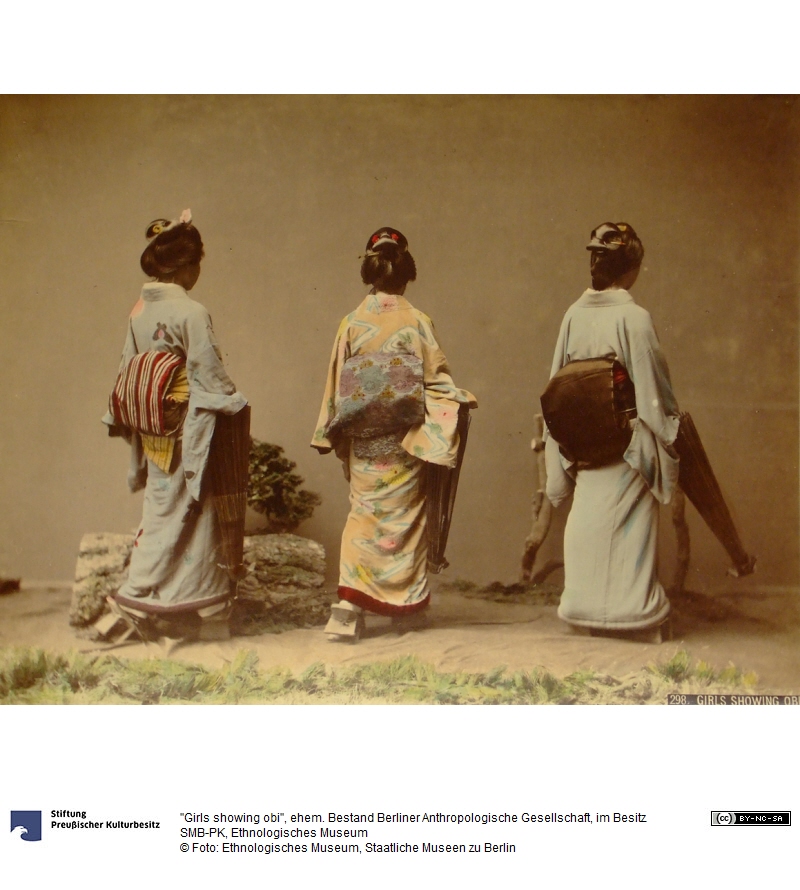
Three young geisha by Raimund von Stillfried-Rathenitz (around 1870–1875).
© Museum für Kunst und Gewerbe, Hamburg.

Women’s Hakama: Female student’s school uniforms

Artist unknown.

The three young women depicted here are all wearing the first version of Japanese school uniforms, consisting of a hakama (袴) skirt worn over a short-sleeved furisode kimono. Hakama are wide trousers which were one of the main garments for men during the Edo period. These trousers were slightly modified and turned into skirts, being tied at one’s waist rather than one’s hip for the sake of becoming uniforms for young females.

Just like their male counterparts who adopted uniforms in 1879, the rising number of female students during the late 19th century likewise called for unified clothing on their part. Being adopted on a nationwide level in 1898 (and held in place until 1918), an emphasis was put on the functionality of the hakama / kimono ensemble within an environment in which students were expected to participate in regular practices of sports and physical exercise. The addition of boots or leather shoes, as well as a big ribbon in one’s hair would later come to quintessentially represent early female students of the Meiji and Taishō period.

Photograph by Elstner Hilton (1914-8).
「自転車に乗る女学生」from 新版引札見本帖、第1 (Meiji 36, 1903).
© National Diet Library (国立国会図書館), Tokyo.

Fashion and Textile Museum, London: ‘Weavers of the Clouds: Textile Art of Peru’

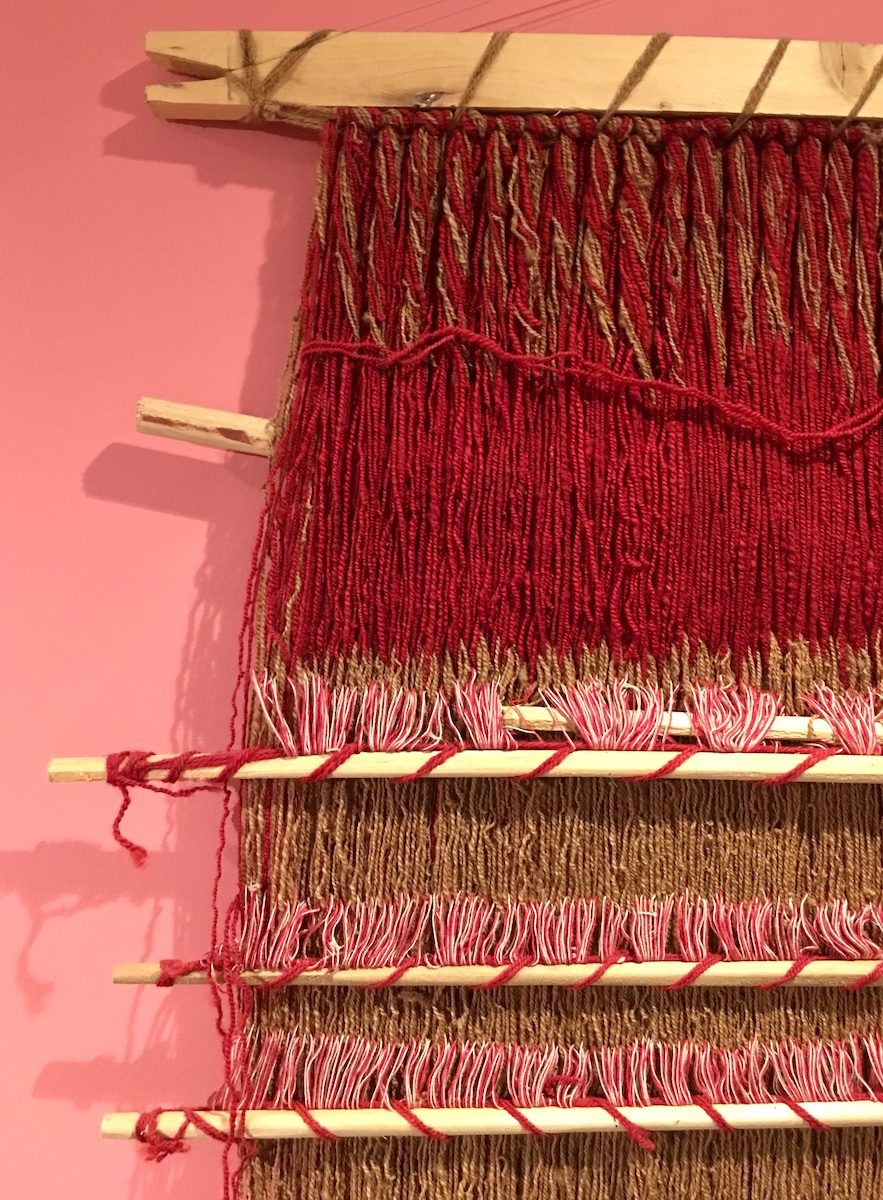
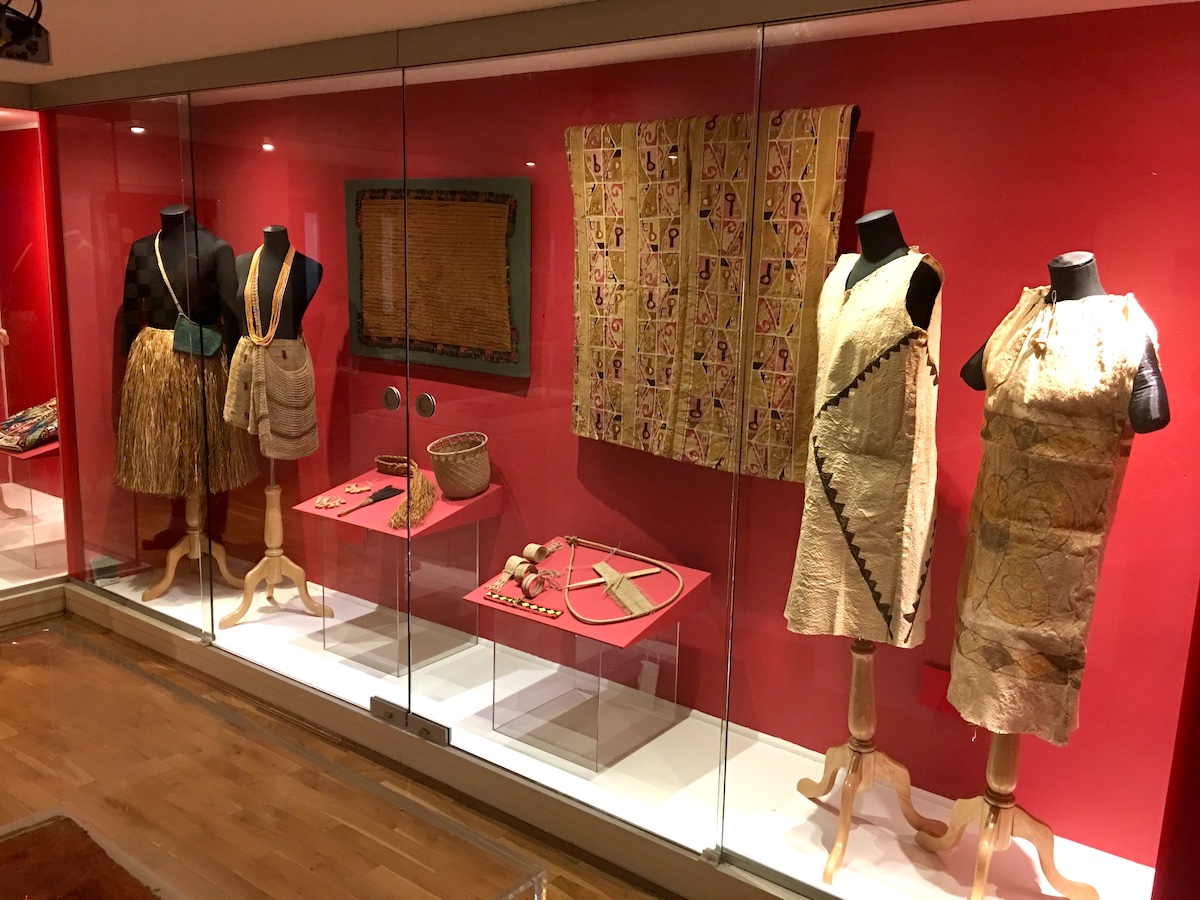
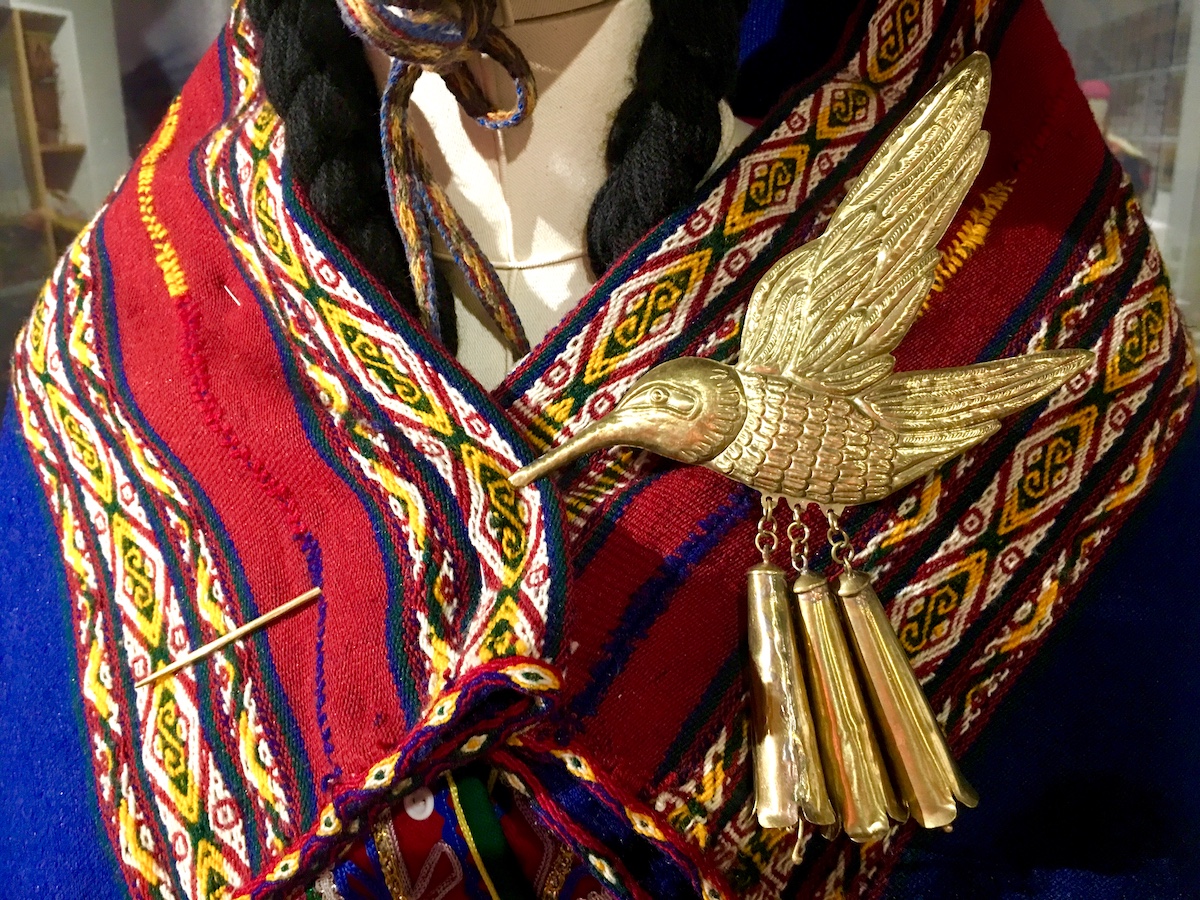
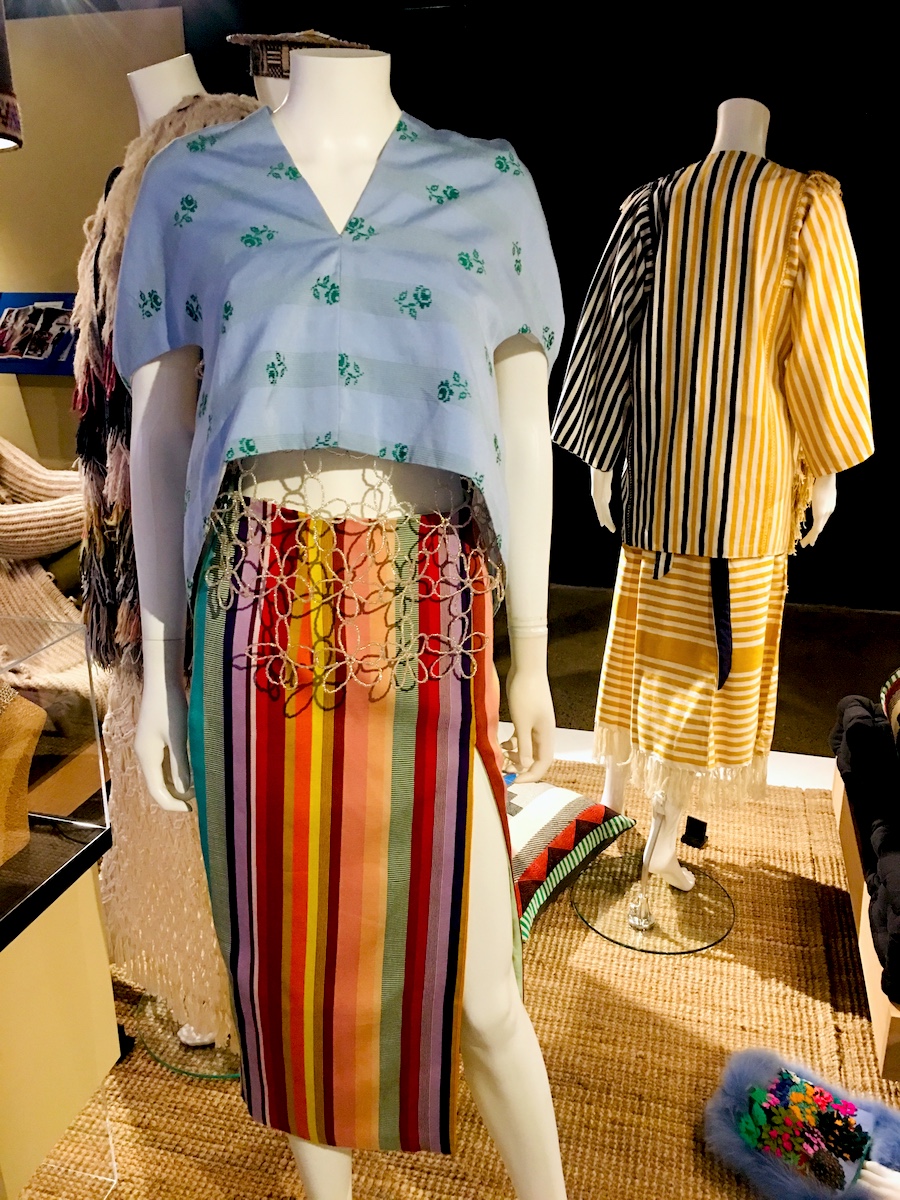
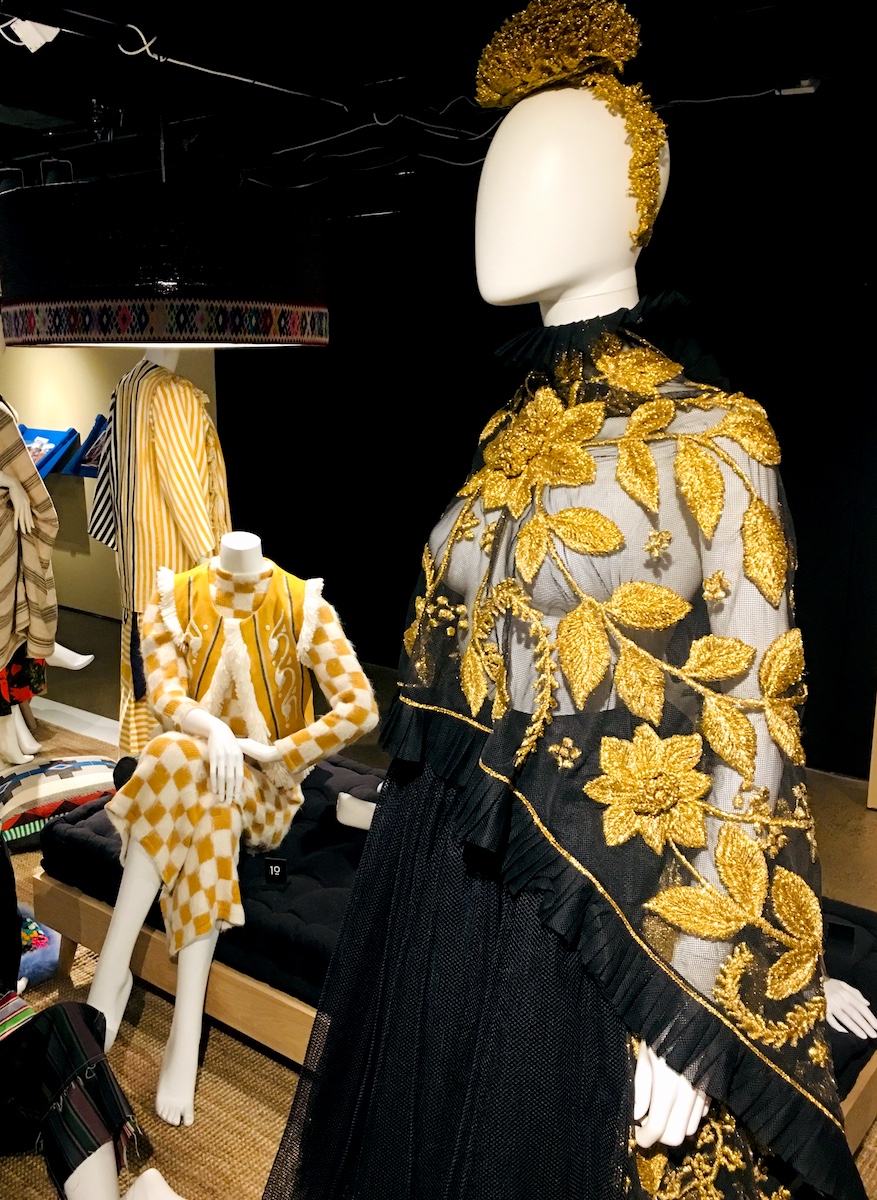
I have to admit that despite having lived in London for almost six years now, I never managed to visit the Fashion and Textile Museum. This disgraceful behaviour finally came to an end however when I went to see the museum’s current exhibition titled Weavers of the Clouds: Textile Art of Peru. The exhibition initially sparked my interest as I’m a great lover of colourful textiles and crafts, and I surely wasn’t disappointed!

The exhibition makes a fantastic job at giving an insight into Peruvian textiles and crafts ranging from the Pre-Columbian period until today, showcasing the diverse influences that have influenced the country’s cultural and social practices. Quipu, or ‘talking knots’, are displayed as well as contemporary pieces by fashion designer Meche Correa and photojournalist Sebastian Castaneda Vita. I have added some visual impressions of the exhibition below, but definitely make sure to go and see it for yourself – I’m sure that you won’t be dissapointed! 🙂

Fashion and Textile Museum
Exhibition Dates: 21 June – 8 September 2019
Open Tuesdays to Saturdays, 11am – 6pm
Thursdays until 8pm
Sundays, 11am – 5pm
Last admission 45 minutes before closing
Closed Mondays

All images © Carolin Becke.

Wallace Collection: ‘An Enquiring Mind: Manolo Blahník at the Wallace Collection’

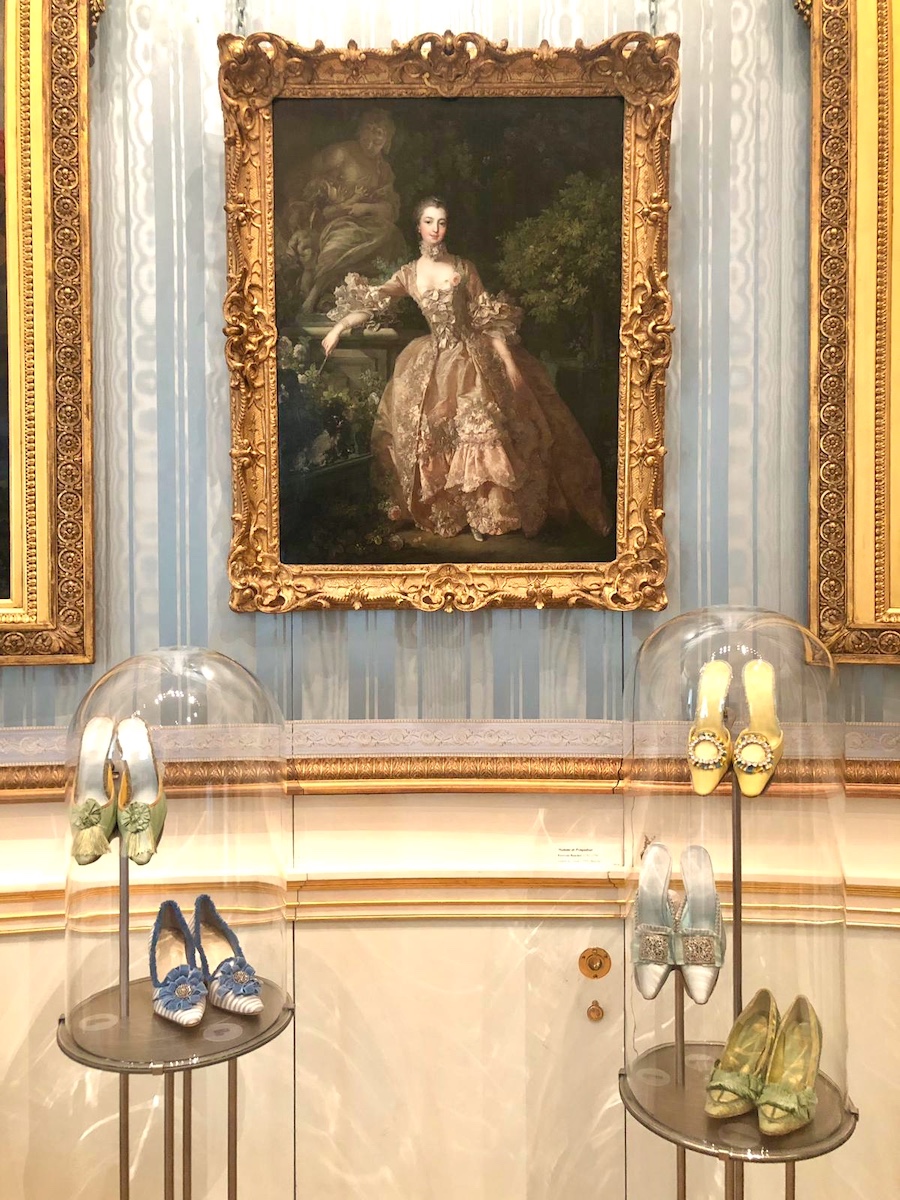
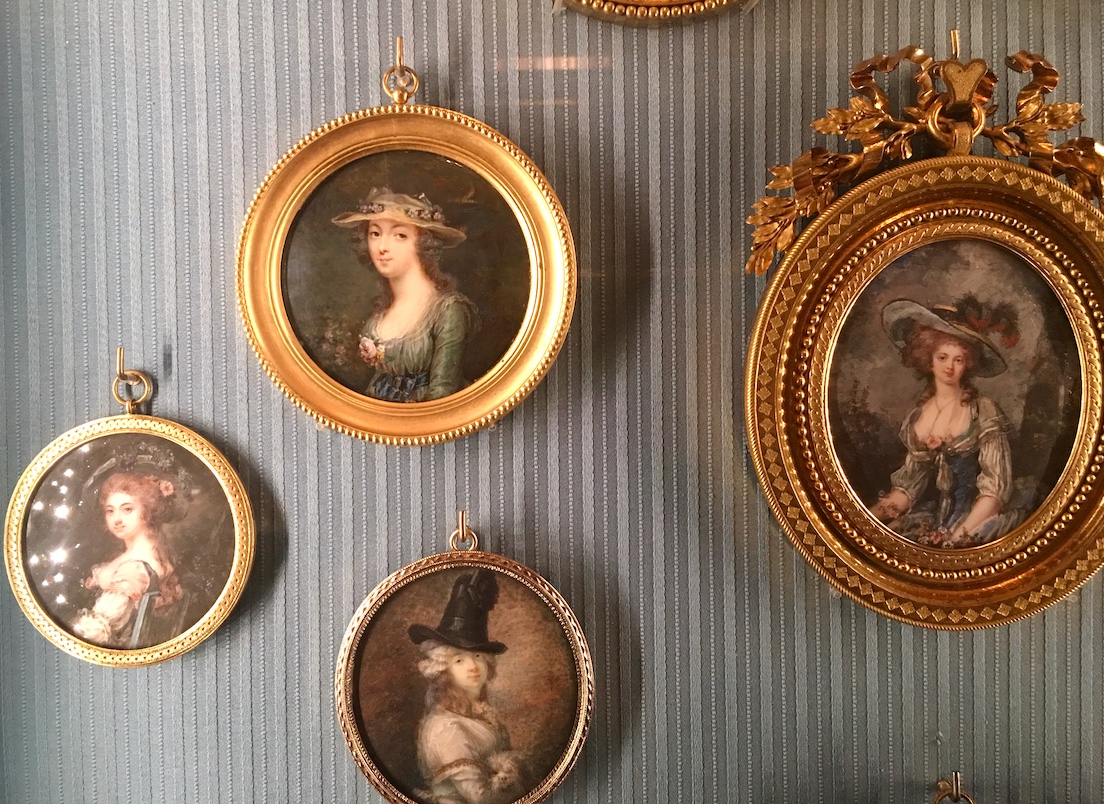
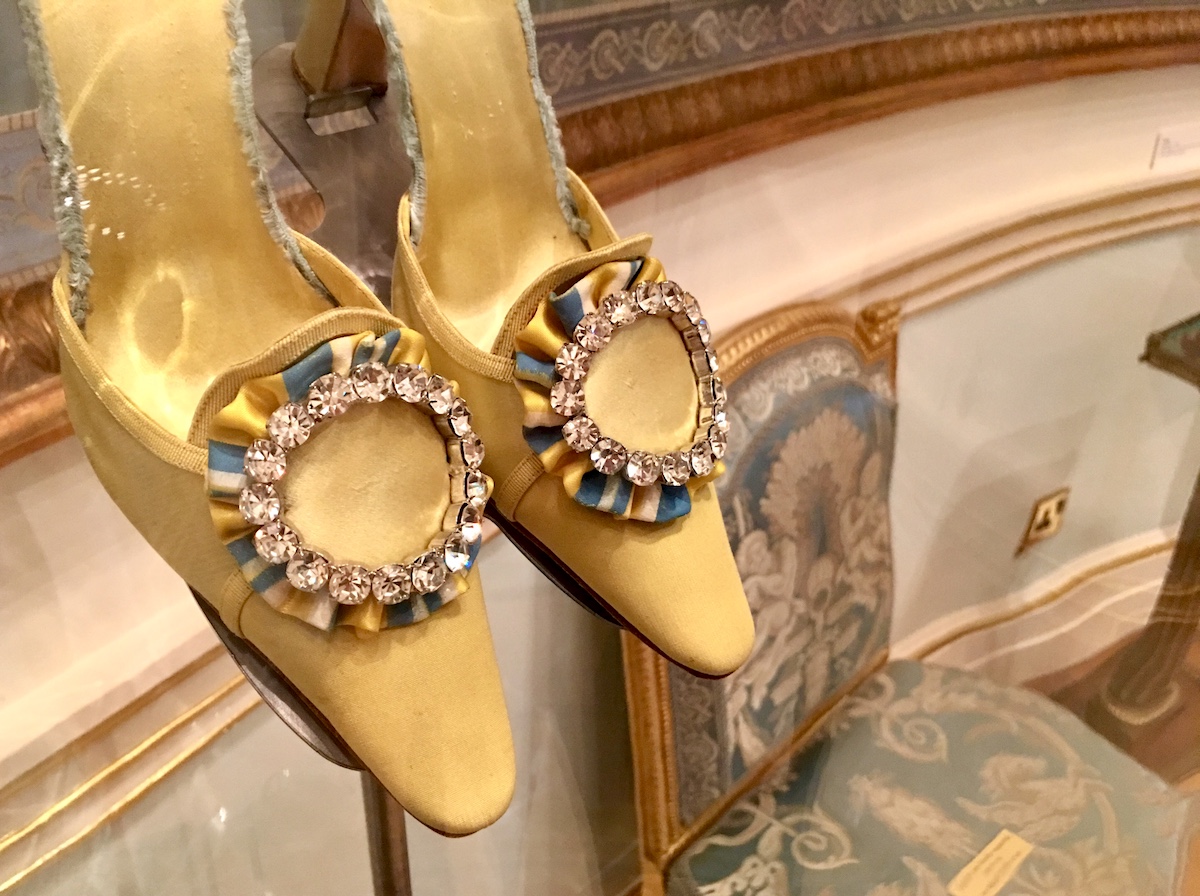
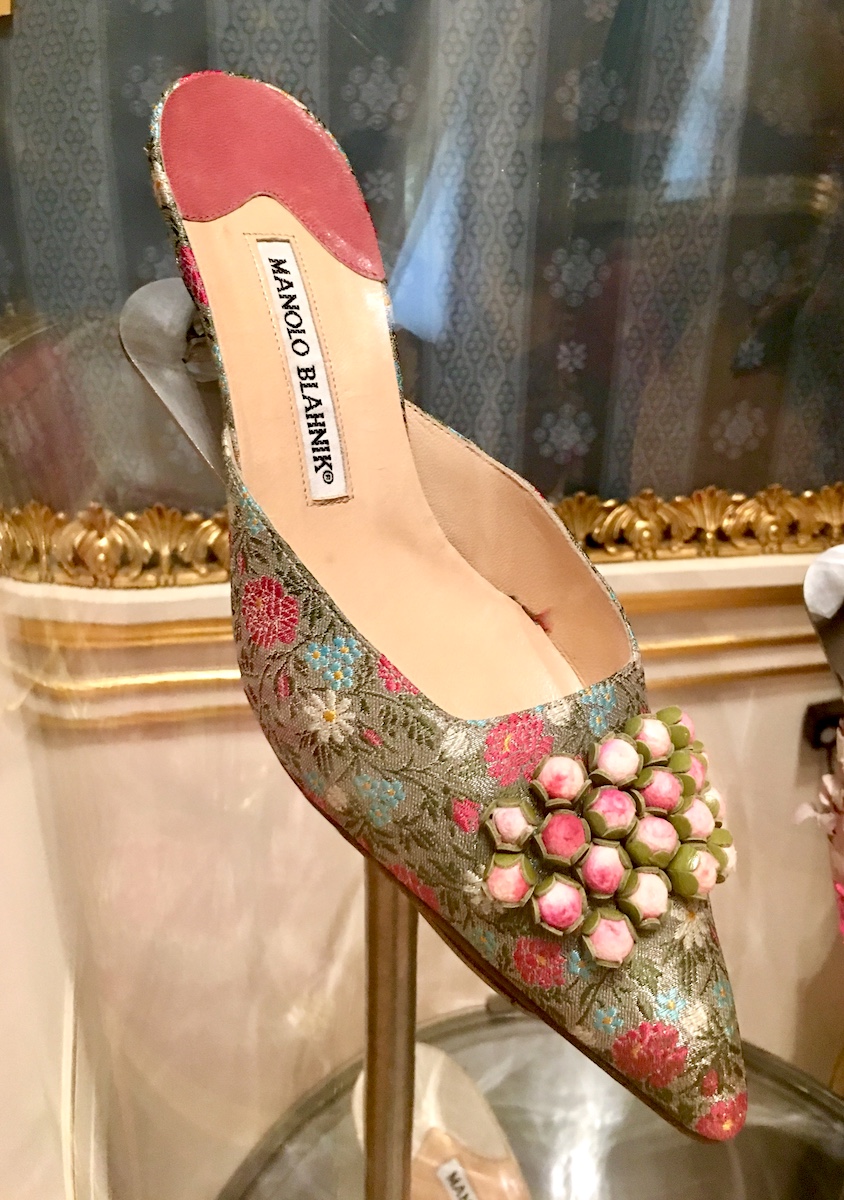
Last weekend my old flatmate, friend and soon to be PhD candidate in art history (! 🎉) Aleks was in town, and we went to see the ‘An Enquiring Mind: Manolo Blahník at the Wallace Collection‘ exhibition. The exhibition displays some of Blahník‘s iconic shoe designs within the rooms of the Wallace Collection. The collection, which mainly focuses on works from the eighteenth-century, has long been a source of creative inspiration for the Spanish designer who used to and still visits on a regular basis.

Being assigned different themes, the shoes and displayed works of art create an interesting and highly enjoyable conversation on notions of luxury, artistic craftmanship and the human appreciation of all things beautiful. One of Aleks’ and my personal highlight, the display on the shoes featured in the movie ‘Marie Antionette‘ (2006) by Sofia Coppola, perfectly summarises all of these sentiments, so be sure to not miss out on this excellent exhibition!

Close-up of ‘Mademoiselle de Camargo Dancing‘ (1730) by Nicolas Lancret.
© The Wallace Collection, London.

Scene from ‘Marie Antoinette’ (2006) by Sofia Coppola. © Sony Pictures Entertainment.

If not otherwise indicated, all images © Aleks Bursac and Carolin Becke。

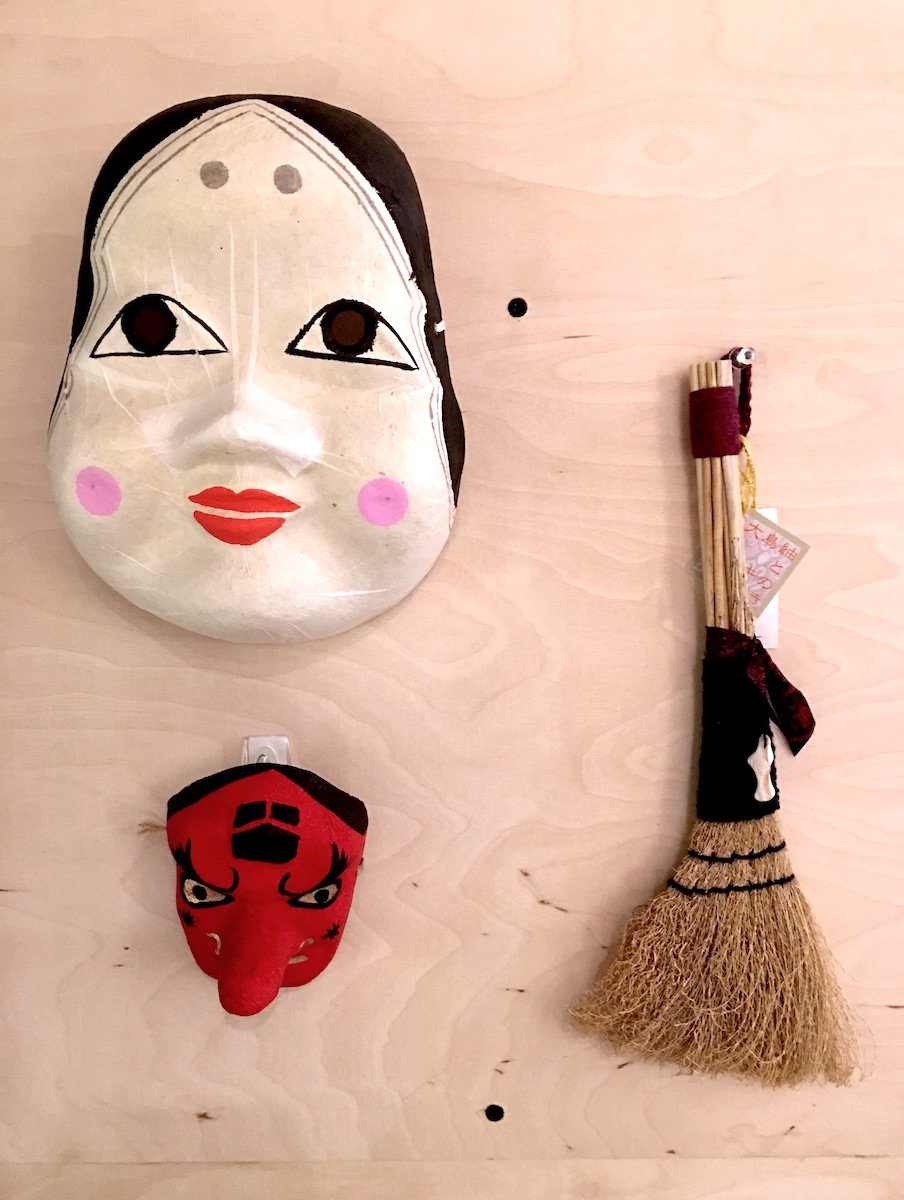
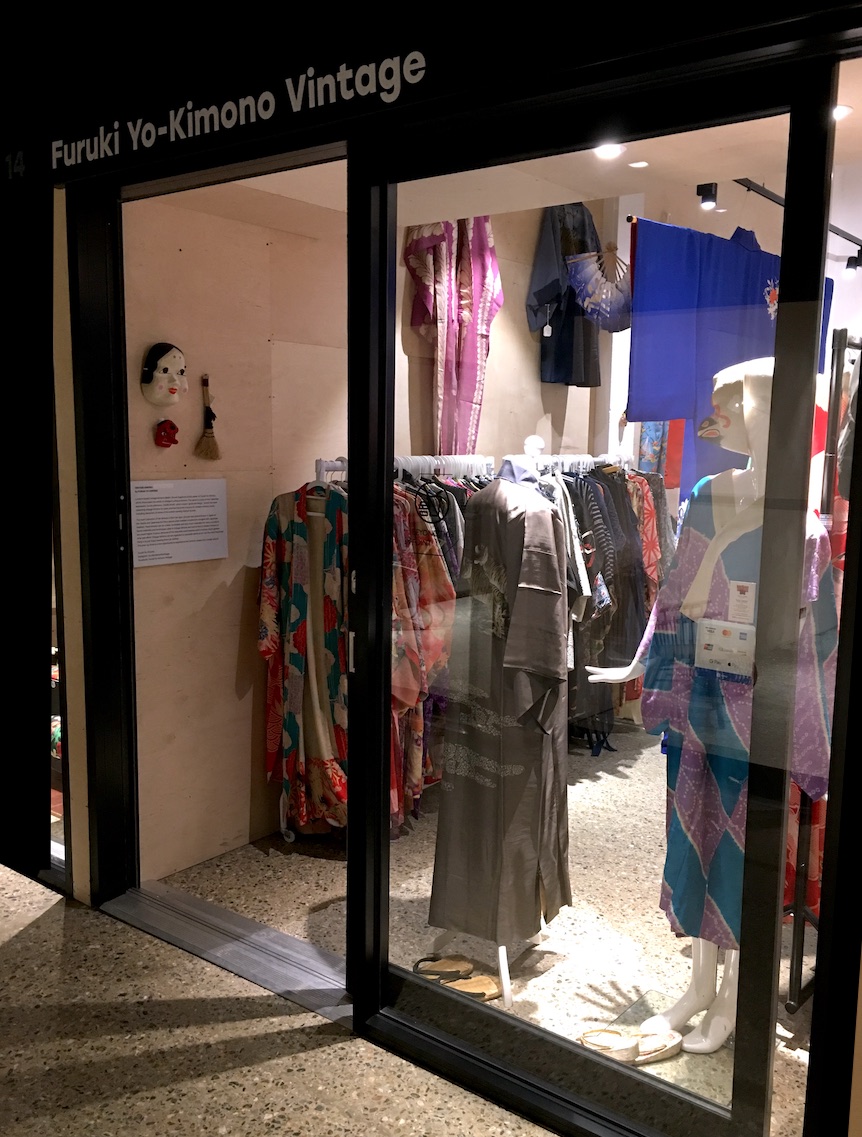
Furuki Yo-Kimono Vintage by Sonoe Sugawara

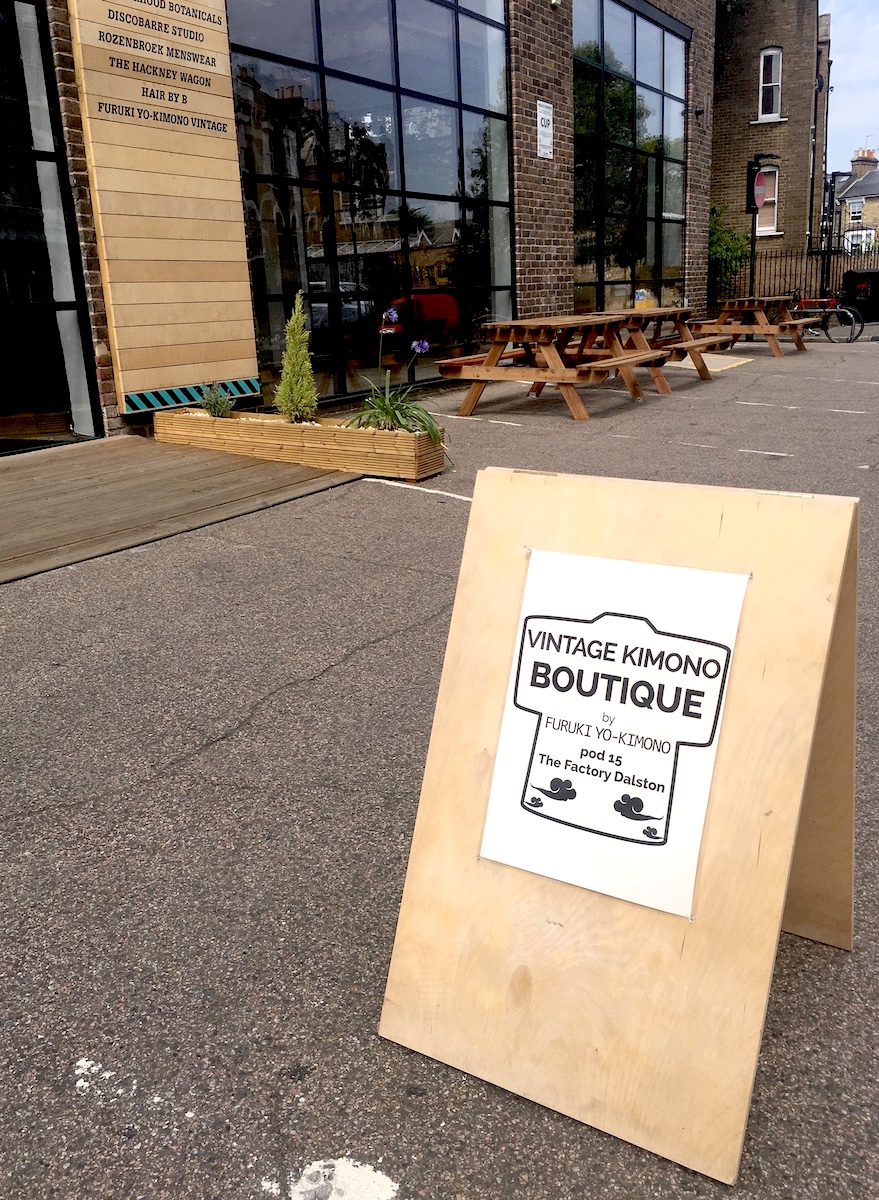
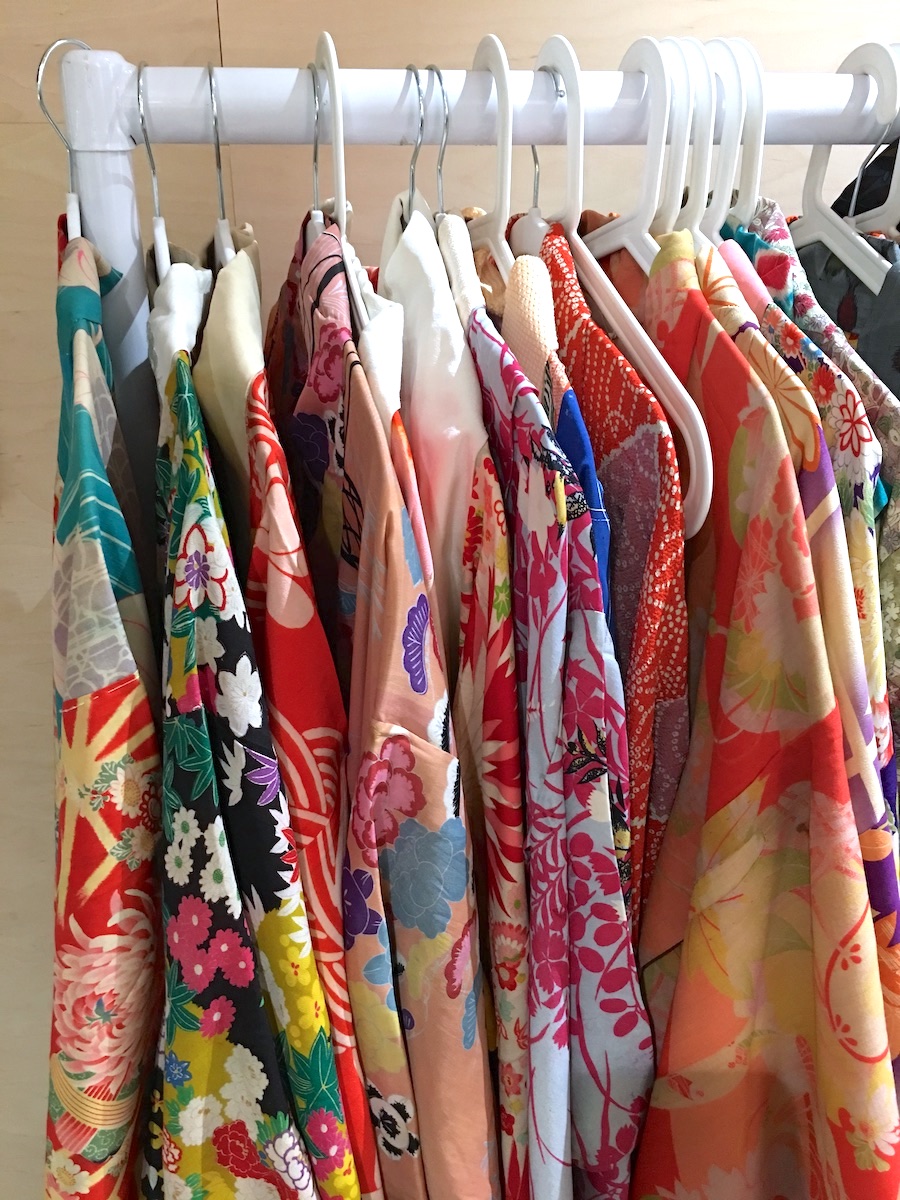
After only recently finding out that there is a shop specialising in vintage kimono in London, I went to meet Sonoe Sugawara, kimono dealer and owner of Furuki Yo-Kimono Vintage in Dalston yesterday. After mainly selling and displaying kimono at markets around London for over 10 years, Sugawara-san just recently moved into the newly opened independent business venue The Factory.

Furuki Yo-Kimono Vintage focuses mainly on kimono from the Taishō period, a great time for kimono fashion with new innovations and aesthetics emerging out of the forward-looking and democratic social context of the 1920s. Sugawara-san also collects imperial and samurai families’ wartime propaganda kimono, as well as Japanese folk workwear and textiles. I highly recommend a visit to anyone with an interest in kimono culture, to have a browse through the collection and a chat with the friendly and very knowledgable Sugawara-san!

All images © Carolin Becke

Museum für Asiatische Kunst: Kimono Photographs

Just a collection of images I found in the online database of the Museum für Asiatische Kunst, Staatliche Museen zu Berlin. Old photographs can be very useful in observing how people in the past have worn and engaged with kimono, and this is something I’d like to further widen my knowledge on in a potential future research project. Until then, I’m just collecting these images here on my blog.
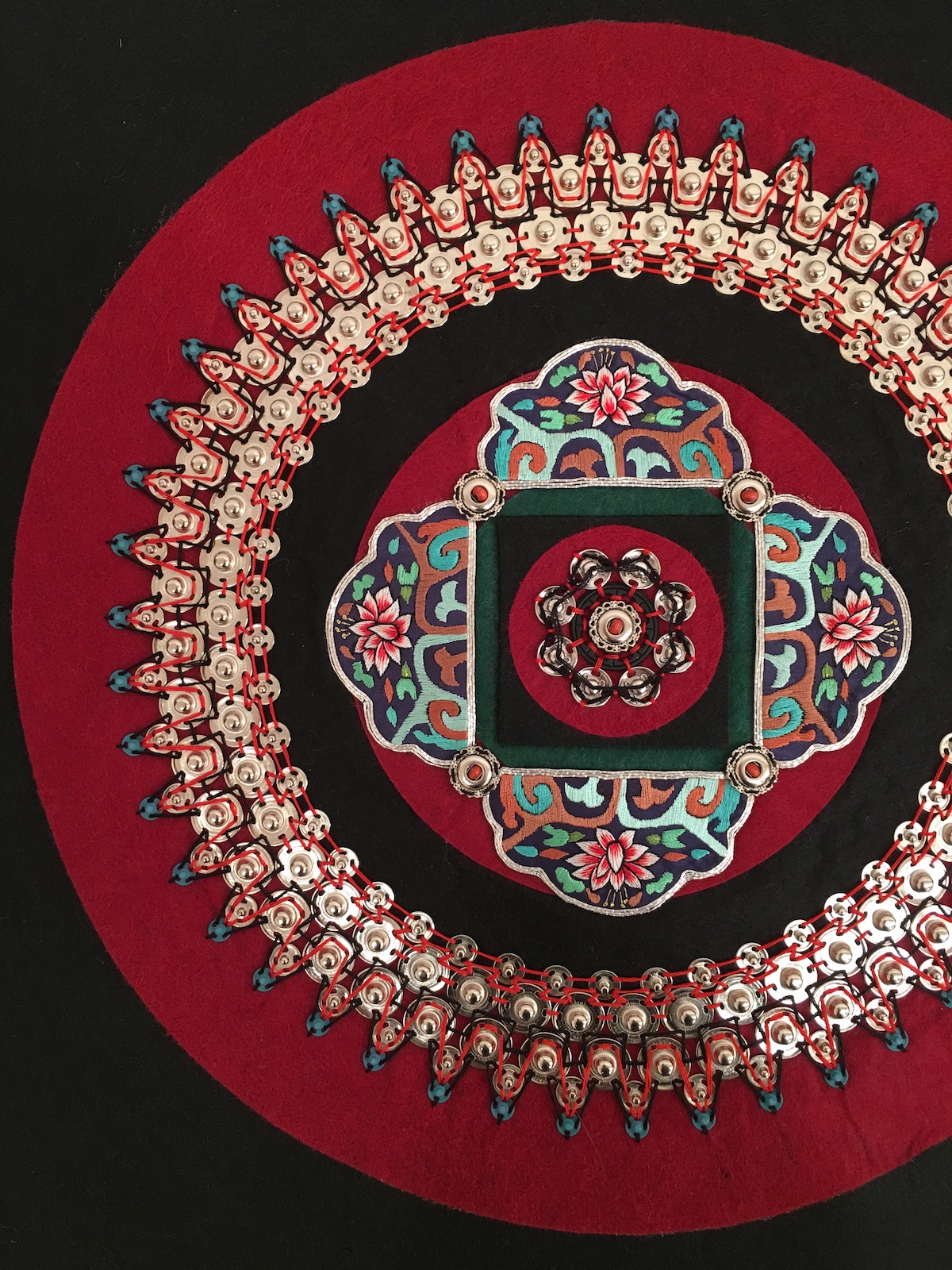
Bingata 紅型: Kimono from Okinawa

One of the hobbies I have pursued since being quite young is scrapbooking. I love to visually capture holidays or special occassions in the form of collages, and can’t get enough of stationary goods in general.
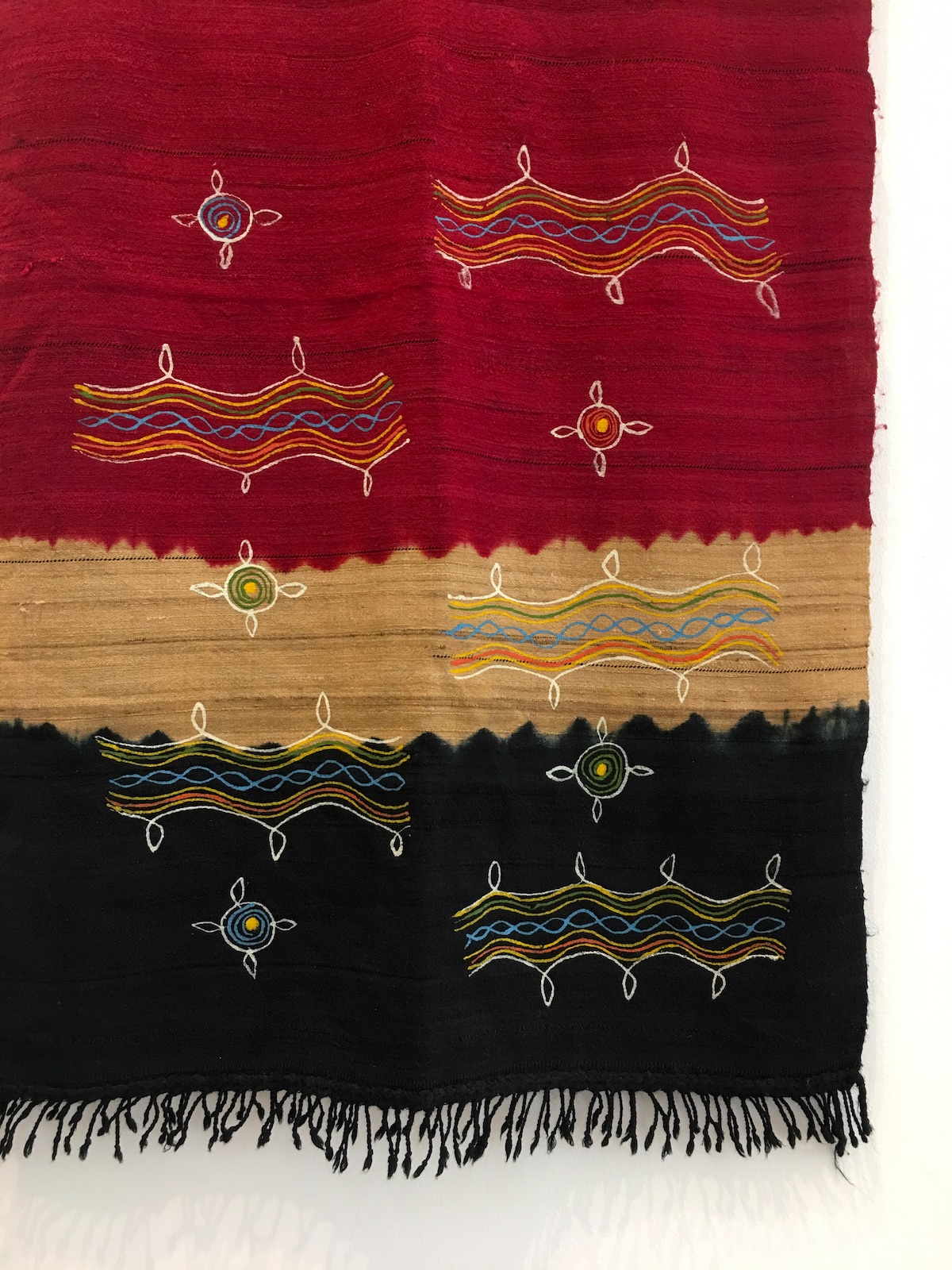
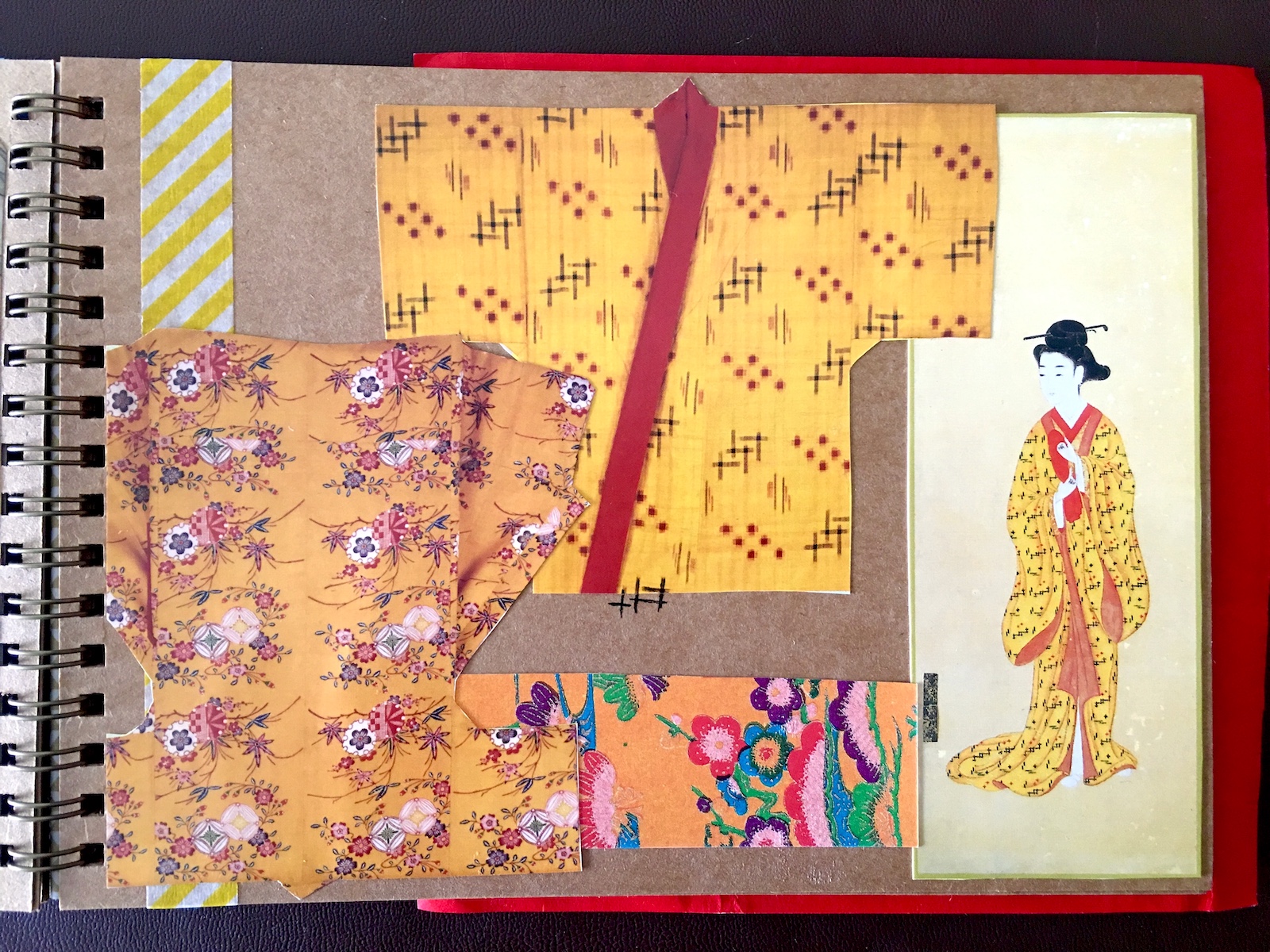
The two pages below are from the scrapbook I worked on during my 6-month period of fieldwork I conducted in Japan in 2018. It was the first time I visited the most southern island of Japan, Okinawa, and was immediately captivated by the bright colours and bold patterns of so-called bingata (紅型) kimono.

All images © Carolin Becke

London Craft Week 2019

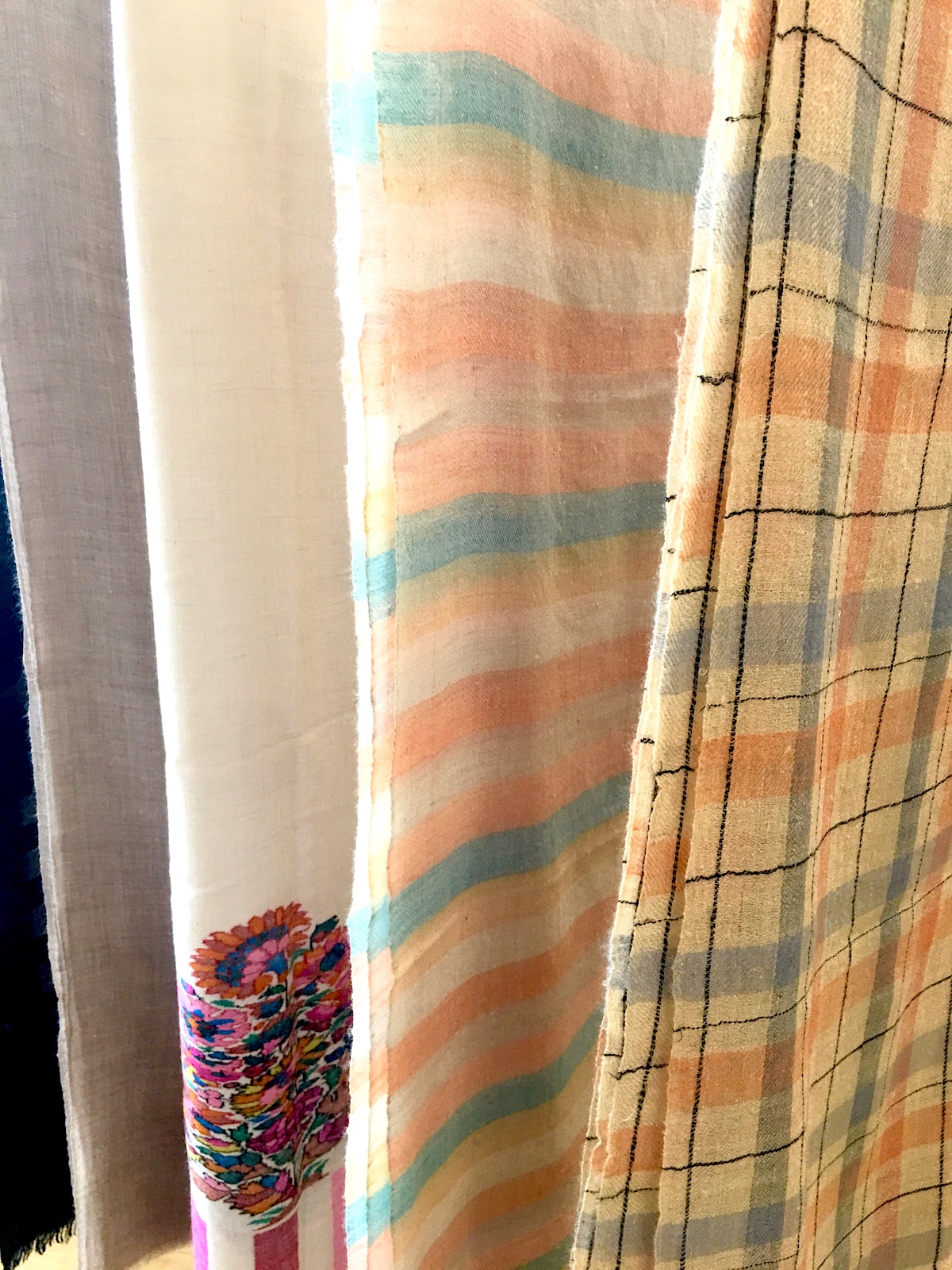
I’d like to share some visual impressions from London Craft Week, an annual event showcasing crafts and art from around the world. I particularly enjoyed the textiles from China and India, as well as Keqin Yan’s artworks. Have a look at some of my favourites below.

Beautiful China & Picturesque Zhejiang at Asia House
India Craft Week Preview at Nehru Centre
Bamford x Injiri at Bamford Mayfair
Calling For Spring, Keqin Yan at 67 York Street

All images © Carolin Becke

Minami-za: ‘Kyary Kabuki Kabuki’ きゃりーかぶきかぶき

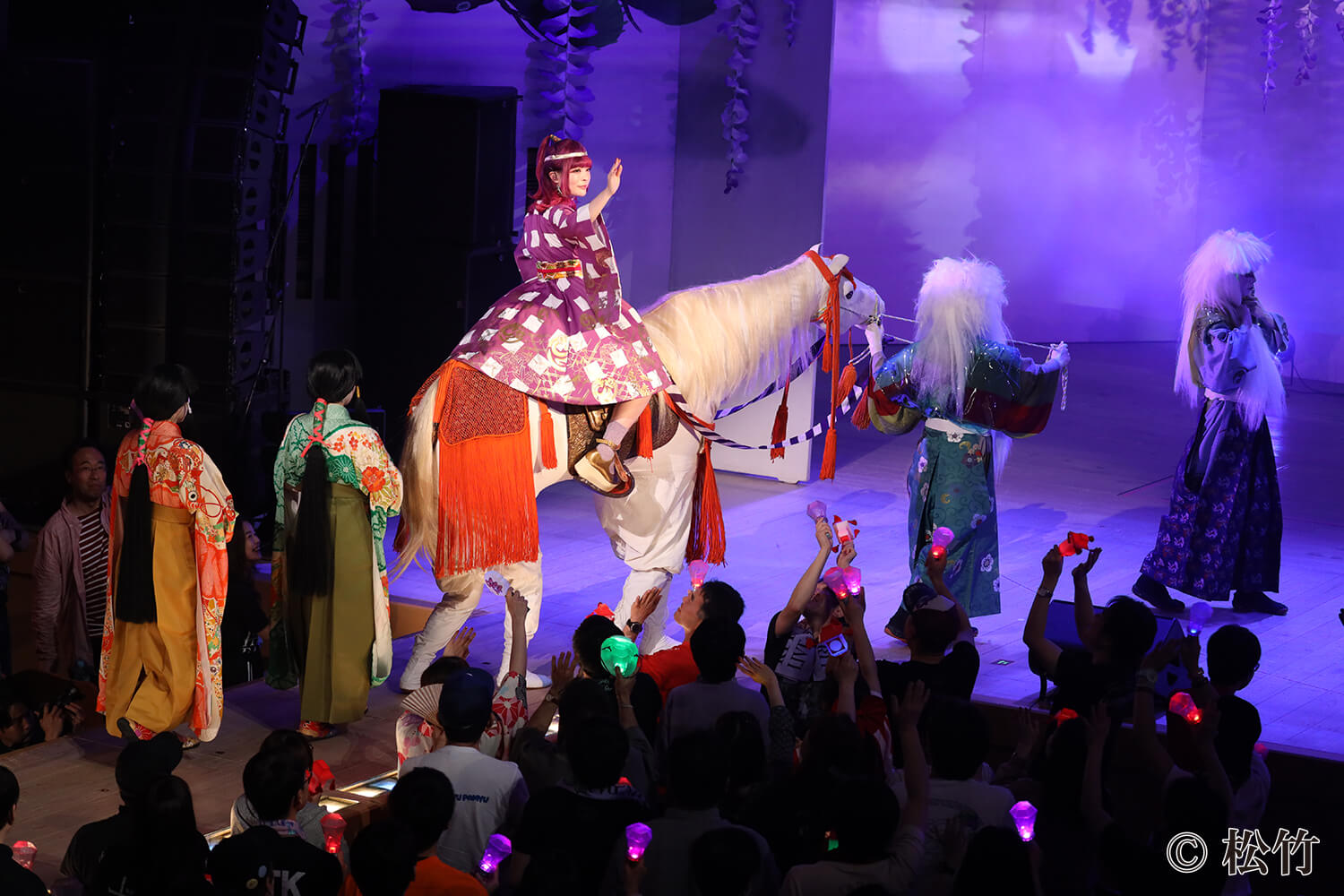
Japanese pop artist Kyary Pamyu Pamyu (きゃりーぱみゅぱみゅ) who is known for her visual and musical style blending historical Japanese and more contemporary kawaii elements performed at the legendary kabuki theatre Minami-za (南座) in Kyoto yesterday. The venue was errected during the Edo period in 1610 at a time when kabuki performances enjoyed increasing popularity among the growing middle class. The art form itself is famous for only allowing men acting in male and female roles on stage.

The artist hence somewhat broke conventions when performing songs from her latest album ‘Japamyu’ (じゃぱみゅ) in front of a traditional kabuki background screen during this one-time performance titled ‘Kyary Kabuki Kabuki’ (きゃりーかぶきかぶき). The singer herself was dressed in a Heian period-inspired kimono with her background dancers, female and male, donning conventional kabuki costume and make-up. Having received a proper training in the art of kabuki performance, the choreography incorporated the mie (見得) pose and roppo (六方) walk, as well as props such as so-called sensu (扇子) hand fans and sturdy bangasa (番傘) umbrellas.

Source: Rolling Stone Japan
Images are ©️松竹