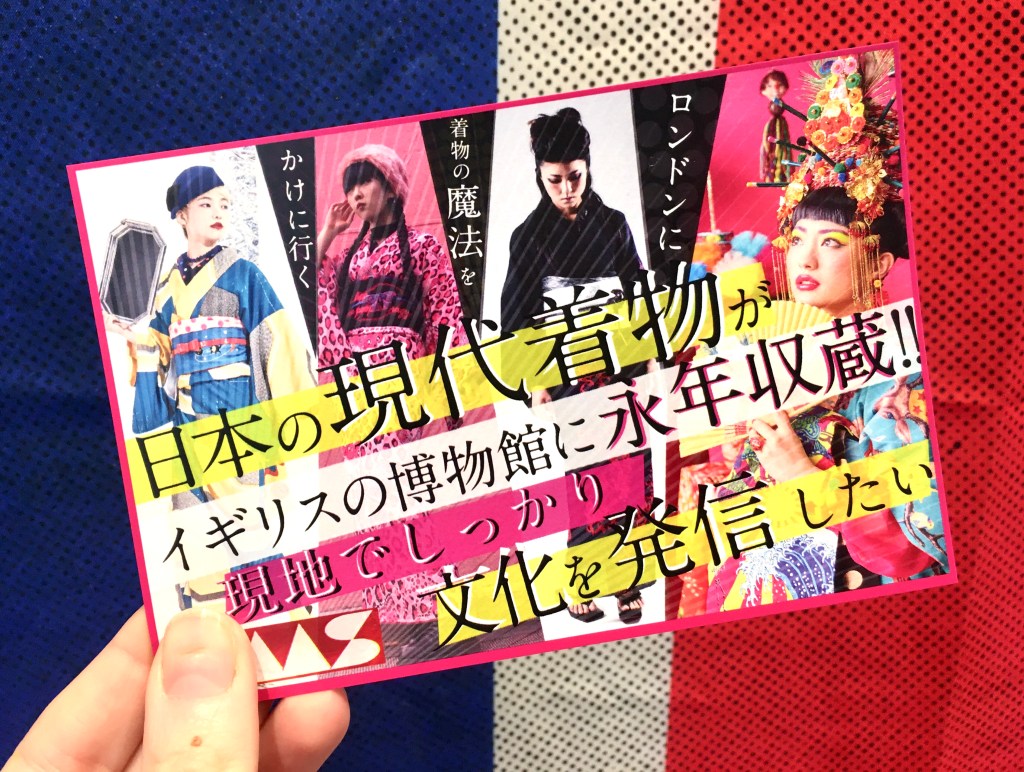
On February 28th, I attended the ‘Kimono Magic Society: Kimono Bash’ event held at the Royal College of Art in London. The Kimono Magic Society consists of the designers and creators behind contemporary kimono fashion brands Rumi Rock, Modern Antenna, Tamao Shigemune (重宗玉緒) and iroca, who all have their designs featured in the ‘Kimono: From Kyoto to Catwalk‘ exhibition currently held at the Victoria & Albert Museum. The event mainly consisted of a fun and practical exploration of contemporary kimono. Besides being able to try on kimono and obi, attendees could also get their hands on customising their own obi to go with a coordinate put together by one of the brands. Below you can see my and a fellow attendees attempt in styling an obi for a Rumi Rock outfit.
Another part of the event was the ‘Kimono in Conversation’ discussion facilitated by Sarah Cheang, senior tutor at the Royal College of Art, Elizabeth Kramer, senior lecturer at Northumbria University, Clare Johnston, a textile designer based in London, and the infamous Sheila Cliffe, a kimono researcher, stylist and influencer based in Tokyo. The conversation centered around kimono as a fashionable garment, with the panelists sharing their individual encounters with kimono, and engaging with the audience on questions of the past and current state of kimono in Japan.
One of the most interesting insights that came out of the panel for me was this statement by Sheila who commented on the body and kimono, challenging a long held stereotype on the garment: ‘The idea that the kimono ignores the body is a misunderstanding. The kimono does not ignore the body. In fact, the fitting in Western clothes is done at the cutting stage; you cut the clothes to fit the body. So, unless you have something tailor-made, it actually does not fit the body. YOU have to fit into a size 12, or size 14. […] Whereas kimono, there is fitting. The fitting takes place in the dressing process, not the cutting process. And because it takes place in the dressing process, when you fold and wrap, you can fit it perfectly to the body without cutting anything.’ The idea that kimono ignores the body never sat right with me, but I could not precisely articulate why. Sheila managed to completely break down the idea however, presenting a highly convincing argument which I will now use as well!
Overall, this was a very engaging and fun event which managed to find a good balance between physical engagement with the garments, as well as some contextualising debates on them. It would be great to keep the conversation going and have more encounters like this in the near future!
The Kimono Magic Society also hosted a pop-up exhibition and shop at Sway Gallery in East London, which I will cover in my next blog post so stay tuned!
The 2004 music video to Morning Musume‘s ‘The Story of Noisy Girls’ (女子かしまし物語, Joshi Kashimashi Mongatari) discloses a lot about the deliberate identity construction of idols. The video also demonstrates the way in which idol personas are constructed through dress. In this short article, I will start to unwrap some of the most significant aspects of idol identity construction and dress.
Morning Musume, an extremely popular Japanese female idol group which was formed in 1997 by singer-songwriter turned producer Tsunku, shaped the landscape of female idols particularly in the late 1990s and 2000s. New members would be casted on a regular basis, forming different ‘generations’. Members would eventually graduate from the group; the longer a girl stayed in the band, the more popular she is generally considered to be.
To gain popularity with fans, and therefore be allowed to stay in the band for a long time, members would create distinct personalities to make themselves differentiable from their peers. ‘The Story of Noisy Girls’ focuses on this practice, with the girls presenting their individuality through the lyrics, dress and presentation.
Below are the lyrics of member Nozomi Tsuji which showcase precisely how identity constructions within this song works:
Group: "OK! Nozomi Tsuji"
Group: "Upon deciding the date/time for her gōkon (singles' party)
(she realised that) there's one girl too many.
Seems like she's contacting
The girl who she can't invite..."
Nozomi: "I'm so sad (because you can't come)"
Group: "I can see it (happening like this)"
Nozomi’s personality is presented as being interested in dating. She is framed as organising gōkon / single parties which hint at the fact that she is looking for a boyfriend herself. Because she got too excited about the prospects, she ended up inviting one girl too many. While this is marked as an imaginary scenario (idol groups are known to follow a strict ‘no dating’ policy), the band members confirm that this is a scenario which could happen in real life.
This presentation aligns with the persona Nozomi has since maintained in the Japanese media. In 2007, she got married to actor Taiyo Suguira in a shot-gun style wedding. Nozomi was already pregnant at that point, and the couple had three more children over the course of the next years. Her personal blog which she started in 2009 got extremely popular, and she was voted as an inspirational role model for young mothers. This demonstrates while idol identity is constructed, it often is based on the personality of the idol. This is arguably done to create a sense of ‘authenticity’ around the performers.
Authenticity is also important when it comes to the general lyrics of the song. These focus on the daily life of teenage girls and describe the fun and excitement of hanging out with friends, going shopping, and gossiping about boys. The lyrics also touch on the pressures that young girls face, such as the expectations to look pretty and act ladylike. This is the image which Morning Musume as a band wants to project; the members are oridnary teenage girls who ‘just wanna have fun’. They are the girls next door rather than the glamorous but unreachable celebrities seen in magazines.
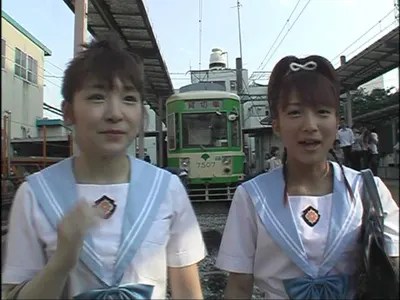
While this on one hand marks her youth, another very important aspect of idol culture, it also pairs her with group member Kago Ai who is wearing the same outfit in the video. Their pairing is quite deliberate; having been nicknamed ‘the twins’ by fans, Tsuji and Kago formed the sub-group W later in 2004. While wearing a similar style of make-up, the two girls remain distinctable through their hairstyles.
Idol dress also often makes a distinction between shifuku 私服 / ‘personal clothes’ and costumes worn on stage and in music videos. Idol music videos often show the boys and girls in their idol costumes as well as personal clothes. This is deliberately done to add another layer of authenticity – the persona of the idol aligns with their off-screen self, as is communicated through dress.
Tsuji and Kago are wearing the music video’s costumes in several shots throughout the video. Their clothes are identical, which is actually unusual for these costumes; while certainly aimed to visually unify, these costumes often get customised to perfectly fit the idols body and with it, perceived personality. Of course, in the case of Tsuji and Kago, it makes sense for them to wear the same costumes, as this once again strengthens the perception of their solidarity and sisterhood.
Colours plays an important part in idol dress as well; while this is not manageable for such a big group as Morning Musume, many idol bands use colours to differentiate the band members. The specific ‘member colour’ is also often perceived to be symbolic of the member’s persona. In ‘The Story of Noisy Girls’, colour is only used in a limited way, however; both Tsuji and Kago are wearing blue to once again signal unity.
In summary, we can say that dress plays a very important part in idol identity construction. With the need to carve out a distinctable persona, idols rely on dress and presentation to communicate their individuality to their fans. The most popular Japanese idols are arguably the ones whose personality aligns both on and off-screen – as demonstrated by ex-Morning Musume member Nozomi Tsuji.
And another collection of kimono-related images from an online database, this time from the Museum für Kunst und Gewerbe which is located in my hometown, Hamburg. The pictures are mainly from European photographers Felice Beato and Raimund von Stillfried-Rathenitz, as well as Japanese national Kusakabe Kimbei. Kusakabe worked for the former two as an assistant for many years, until opening his own studio in Yokohama in 1881. He came to be regarded as the most respected and successful Japanese photographers of his generation. Many of the images in the studio’s catalogue featured depictions of Japanese women, which were popular with tourists of the time.
The three young women depicted here are all wearing the first version of Japanese school uniforms, consisting of a hakama (袴) skirt worn over a short-sleeved furisodekimono. Hakama are wide trousers which were one of the main garments for men during the Edo period. These trousers were slightly modified and turned into skirts, being tied at one’s waist rather than one’s hip for the sake of becoming uniforms for young females.
Just like their male counterparts who adopted uniforms in 1879, the rising number of female students during the late 19th century likewise called for unified clothing on their part. Being adopted on a nationwide level in 1898 (and held in place until 1918), an emphasis was put on the functionality of the hakama / kimono ensemble within an environment in which students were expected to participate in regular practices of sports and physical exercise. The addition of boots or leather shoes, as well as a big ribbon in one’s hair would later come to quintessentially represent early female students of the Meiji and Taishō period.
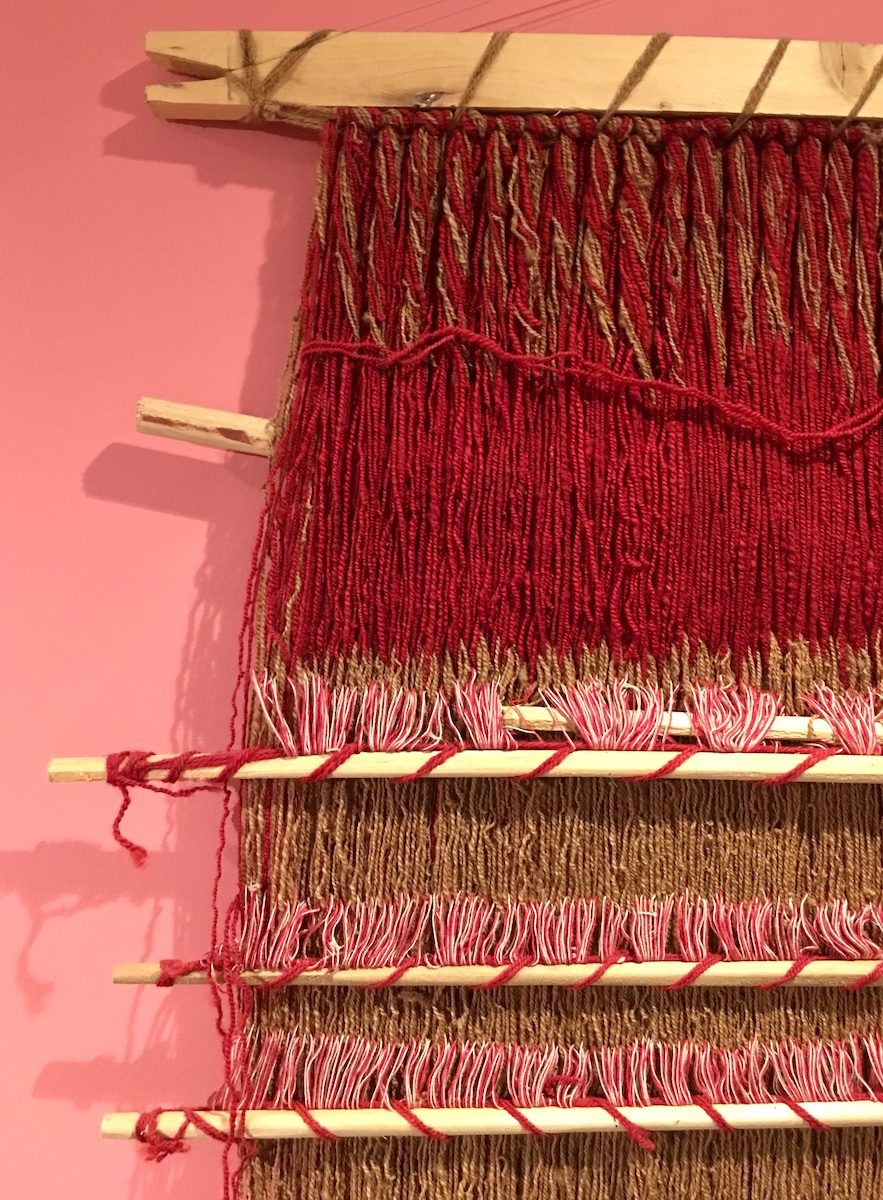
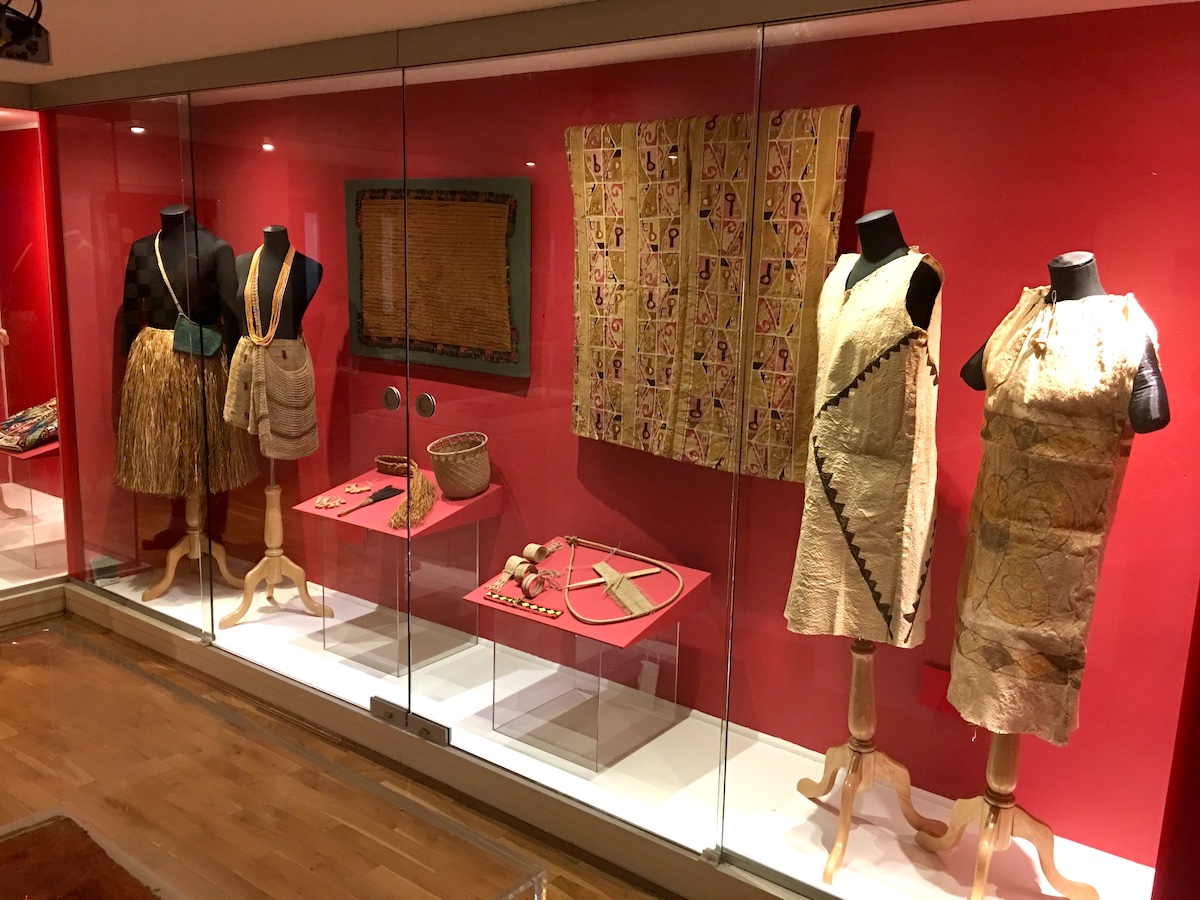
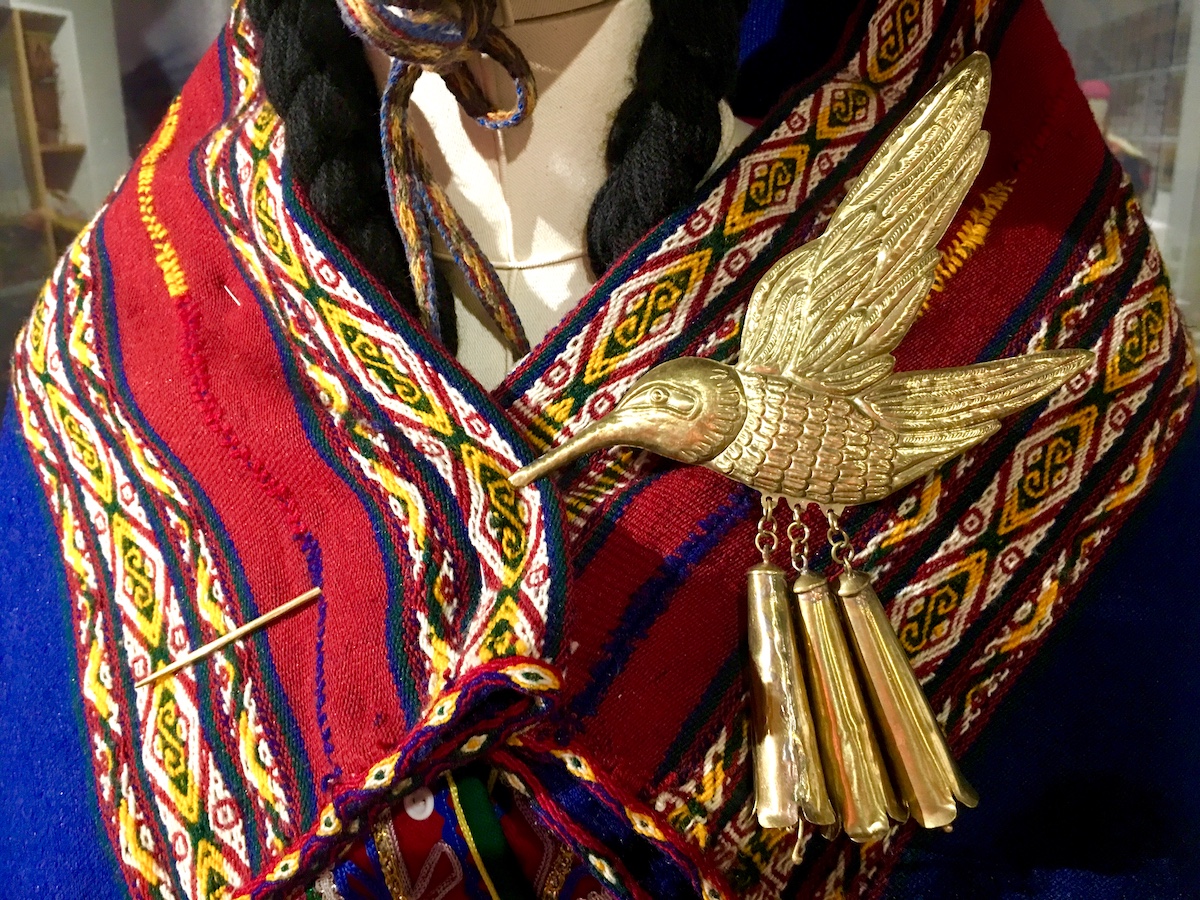
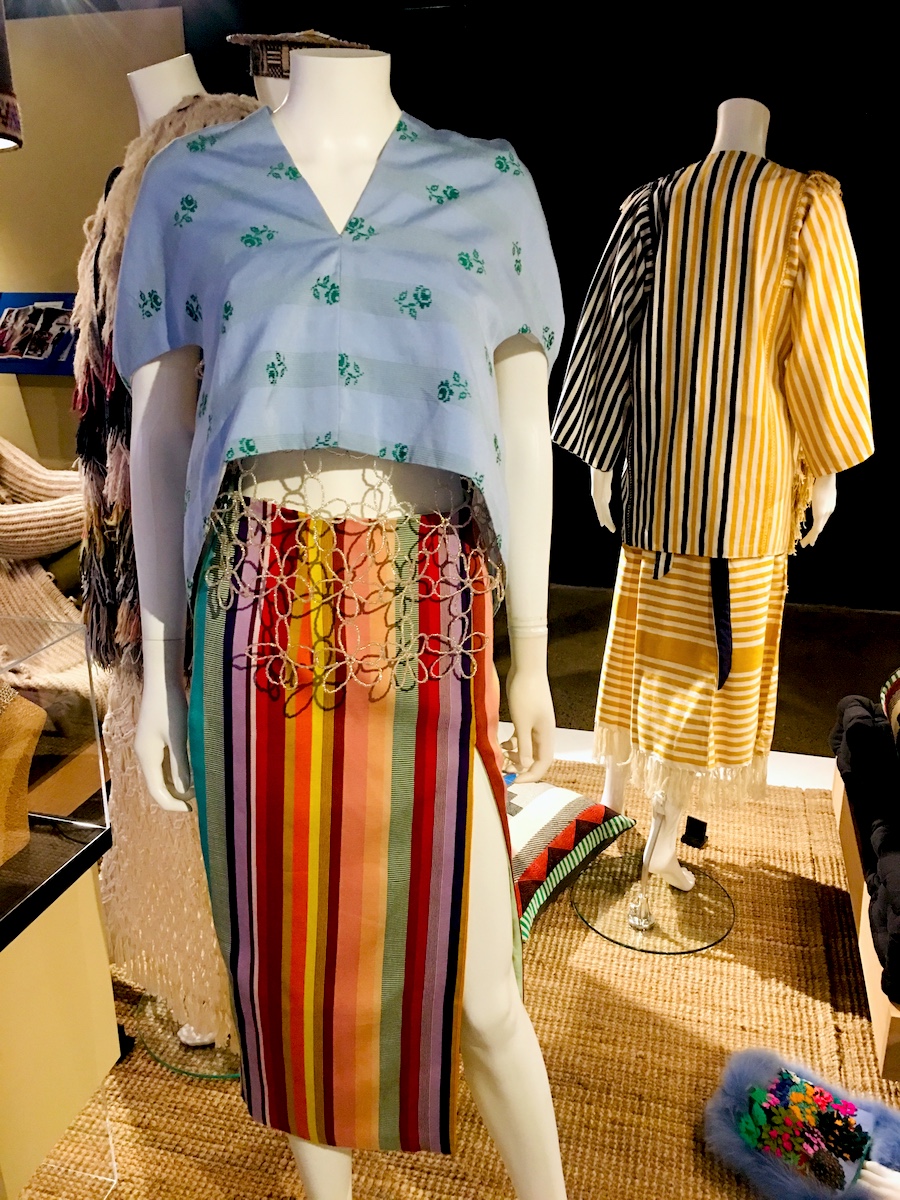
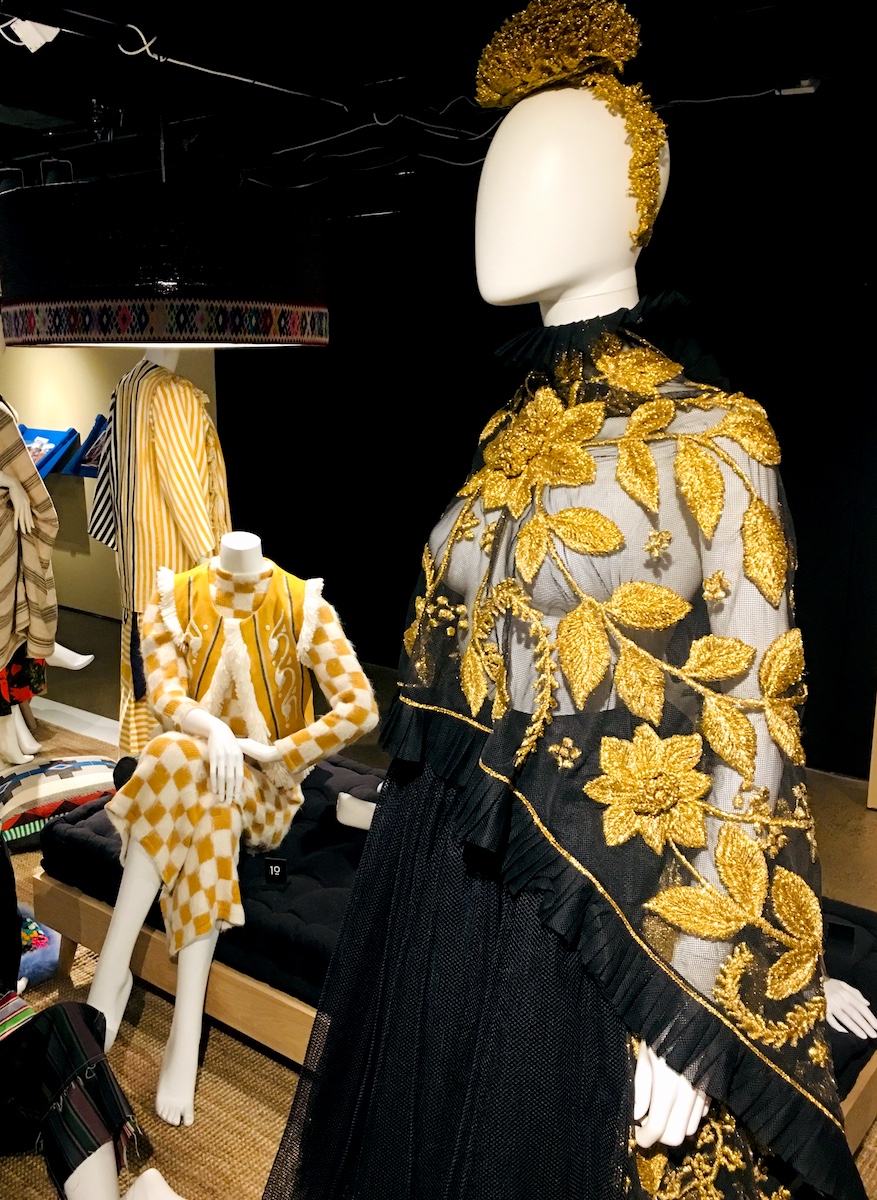
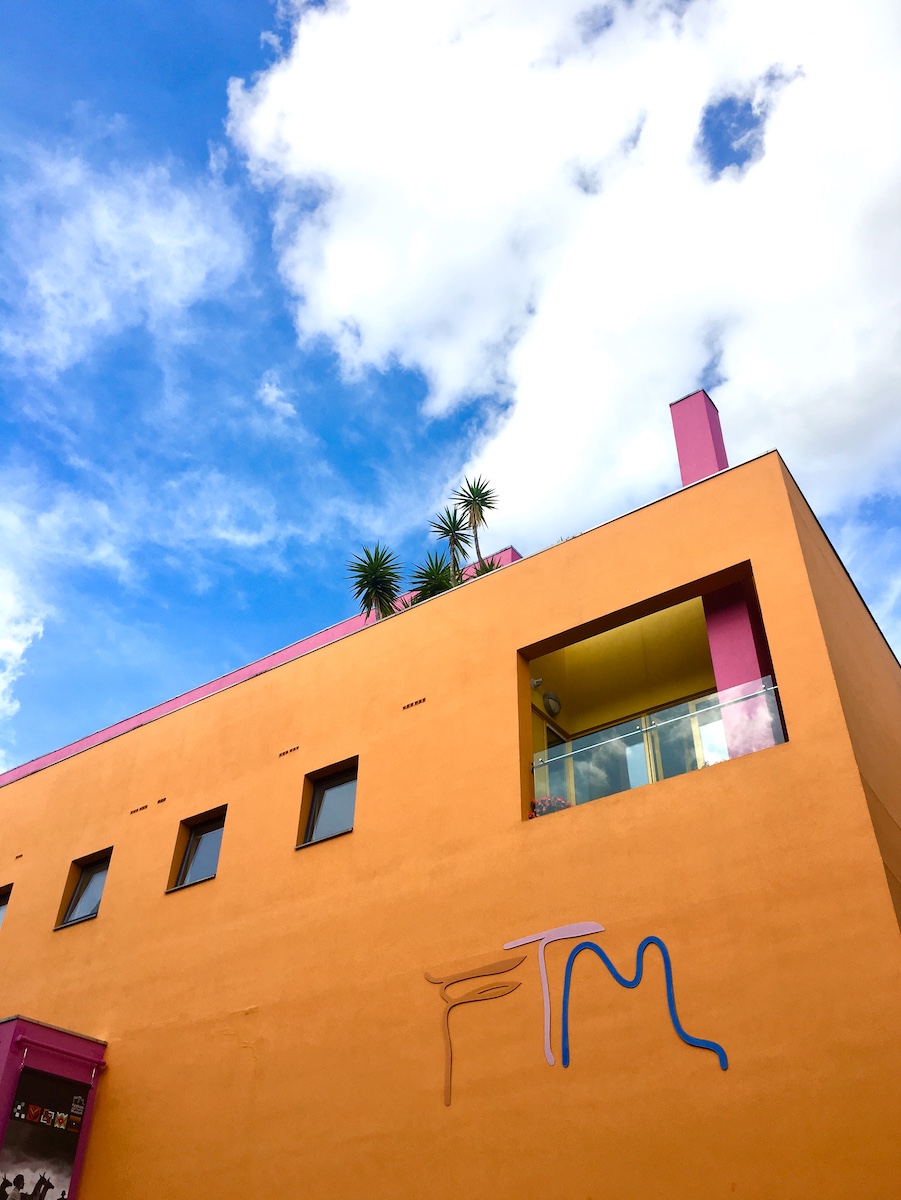
I have to admit that despite having lived in London for almost six years now, I never managed to visit the Fashion and Textile Museum. This disgraceful behaviour finally came to an end however when I went to see the museum’s current exhibition titled Weavers of the Clouds: Textile Art of Peru. The exhibition initially sparked my interest as I’m a great lover of colourful textiles and crafts, and I surely wasn’t disappointed!
The exhibition makes a fantastic job at giving an insight into Peruvian textiles and crafts ranging from the Pre-Columbian period until today, showcasing the diverse influences that have influenced the country’s cultural and social practices. Quipu, or ‘talking knots’, are displayed as well as contemporary pieces by fashion designer Meche Correa and photojournalist Sebastian Castaneda Vita. I have added some visual impressions of the exhibition below, but definitely make sure to go and see it for yourself – I’m sure that you won’t be dissapointed! 🙂
Fashion and Textile Museum Exhibition Dates: 21 June – 8 September 2019 Open Tuesdays to Saturdays, 11am – 6pm Thursdays until 8pm Sundays, 11am – 5pm Last admission 45 minutes before closing Closed Mondays
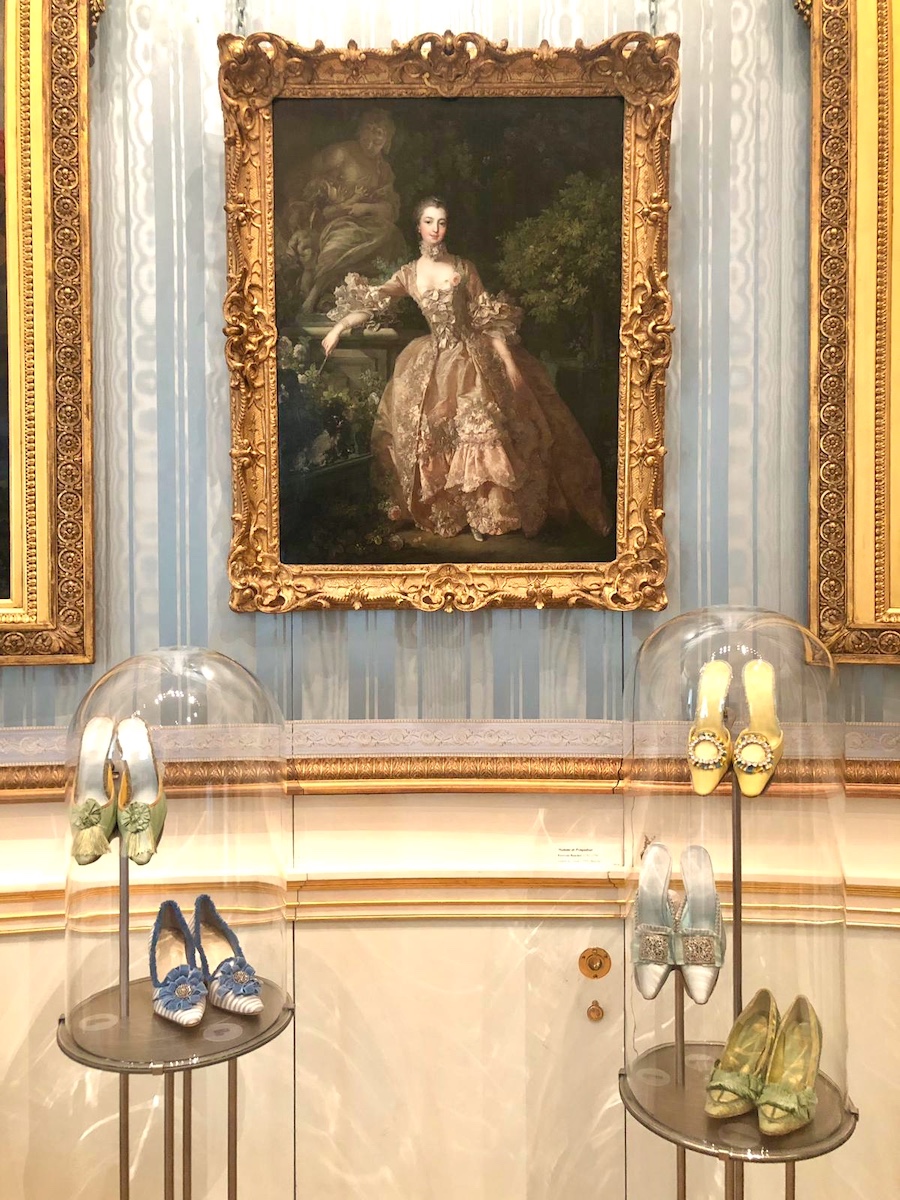
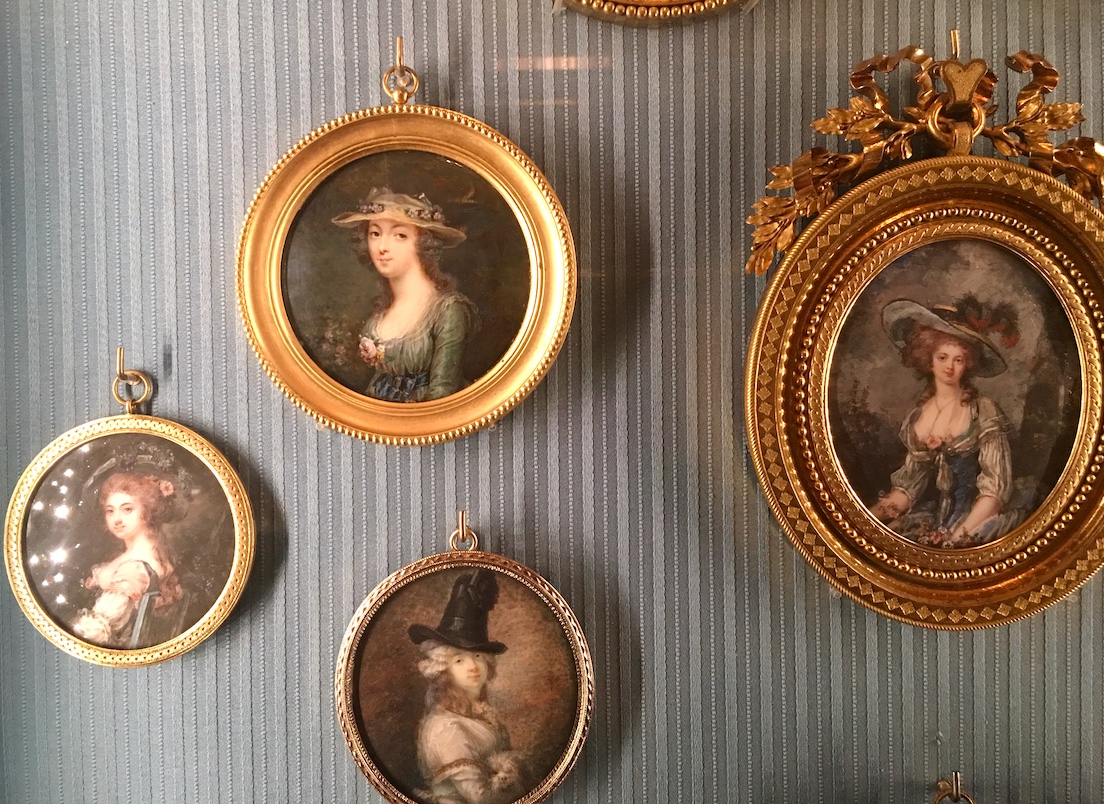
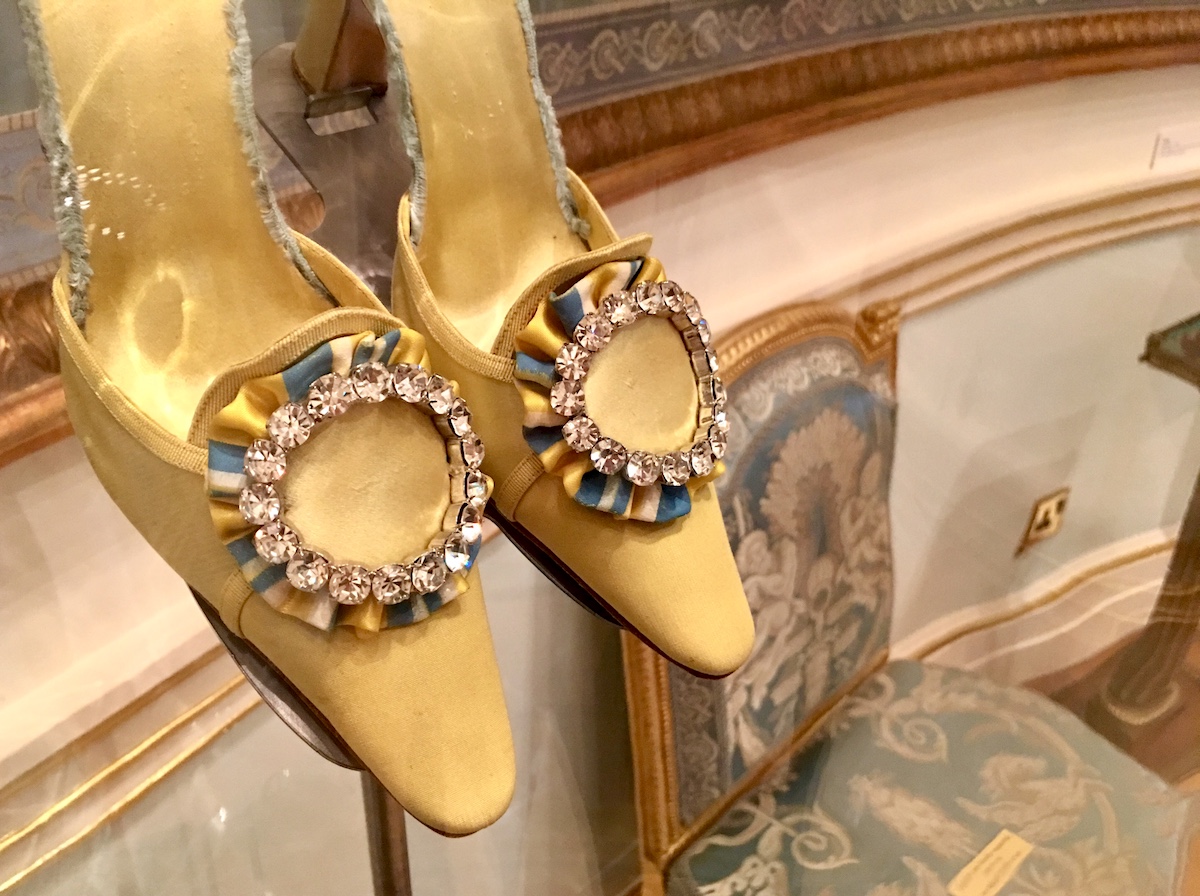
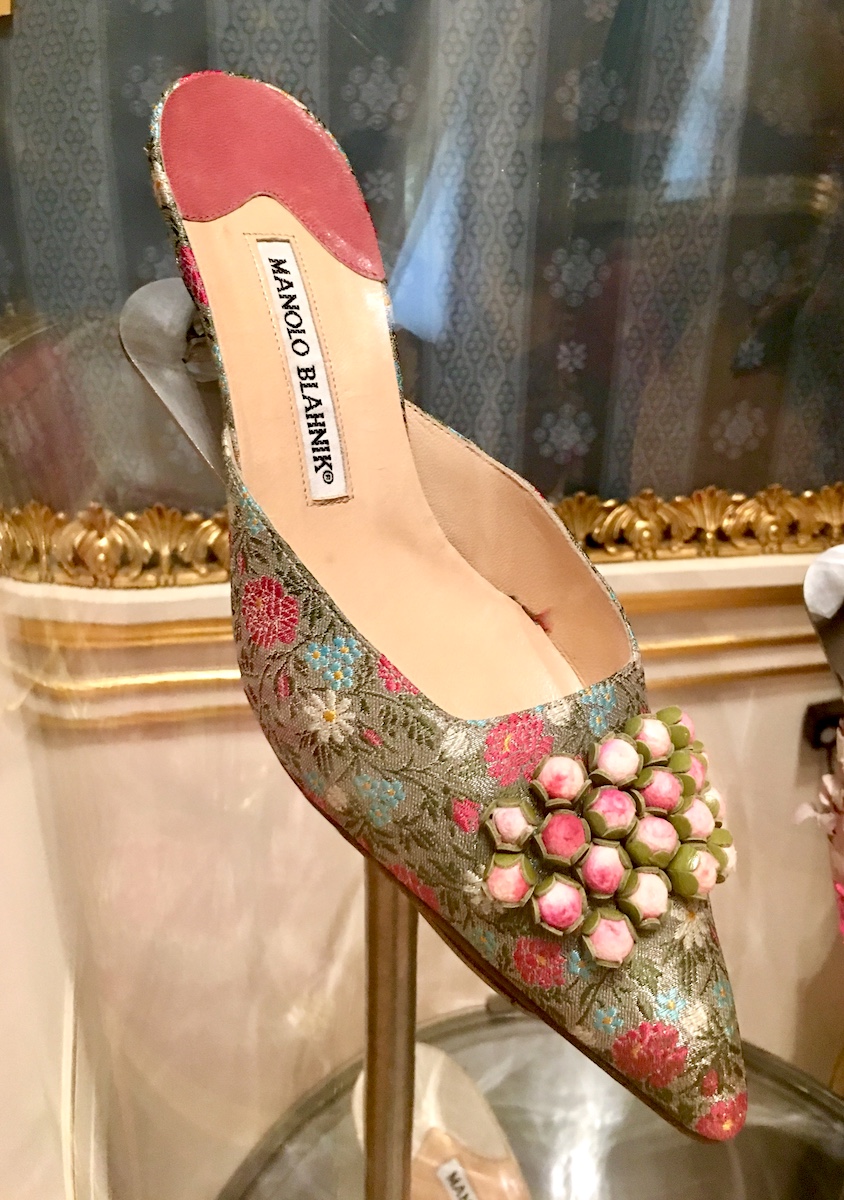
Last weekend my old flatmate, friend and soon to be PhD candidate in art history (! 🎉) Aleks was in town, and we went to see the ‘An Enquiring Mind: Manolo Blahník at the Wallace Collection‘ exhibition. The exhibition displays some of Blahník‘s iconic shoe designs within the rooms of the Wallace Collection. The collection, which mainly focuses on works from the eighteenth-century, has long been a source of creative inspiration for the Spanish designer who used to and still visits on a regular basis.
Being assigned different themes, the shoes and displayed works of art create an interesting and highly enjoyable conversation on notions of luxury, artistic craftmanship and the human appreciation of all things beautiful. One of Aleks’ and my personal highlight, the display on the shoes featured in the movie ‘Marie Antionette‘ (2006) by Sofia Coppola, perfectly summarises all of these sentiments, so be sure to not miss out on this excellent exhibition!
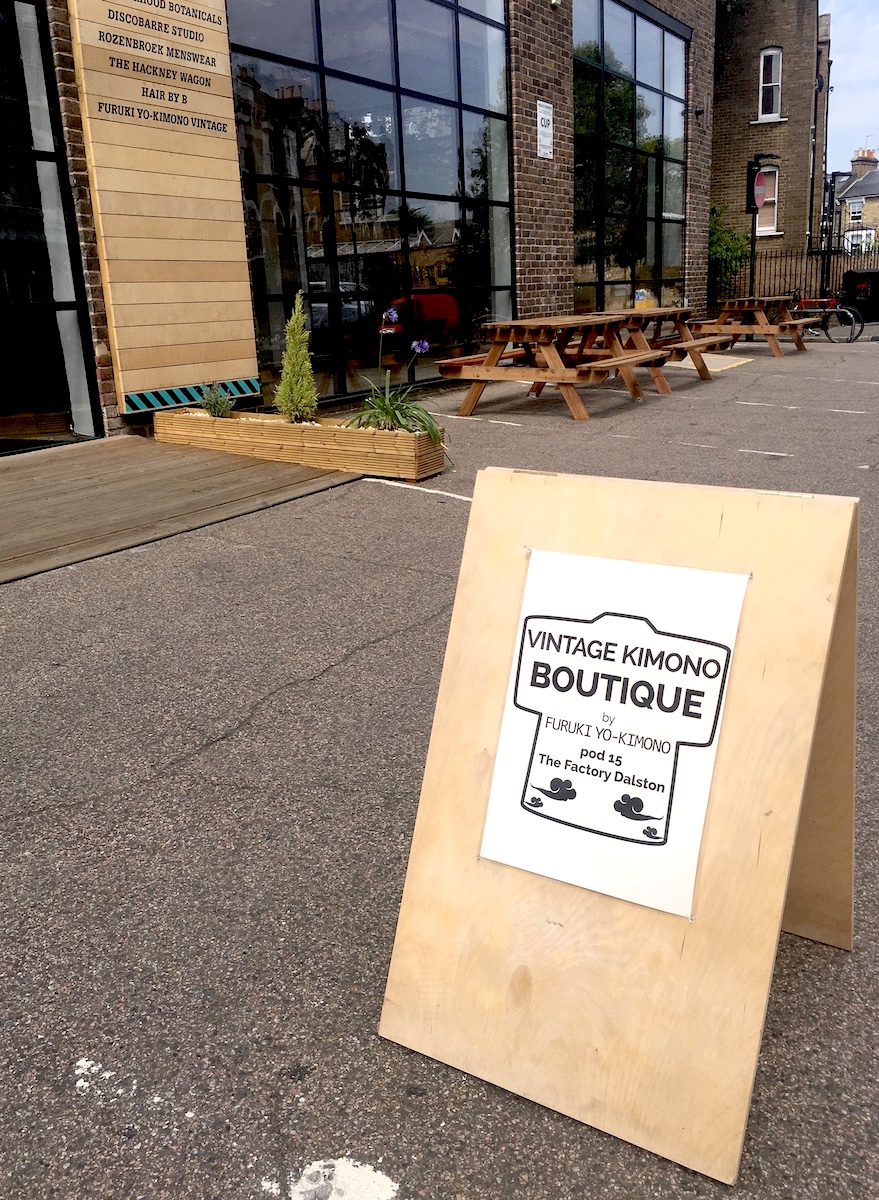
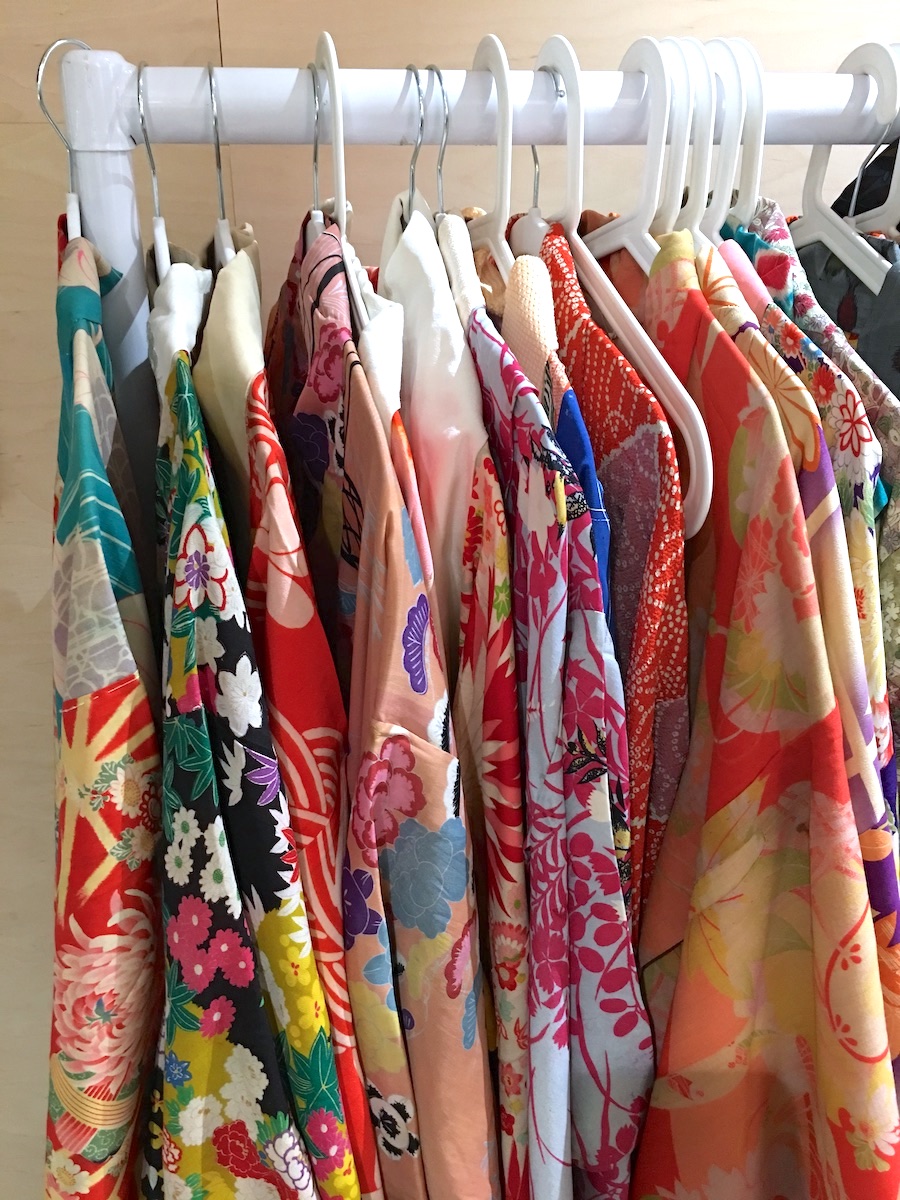
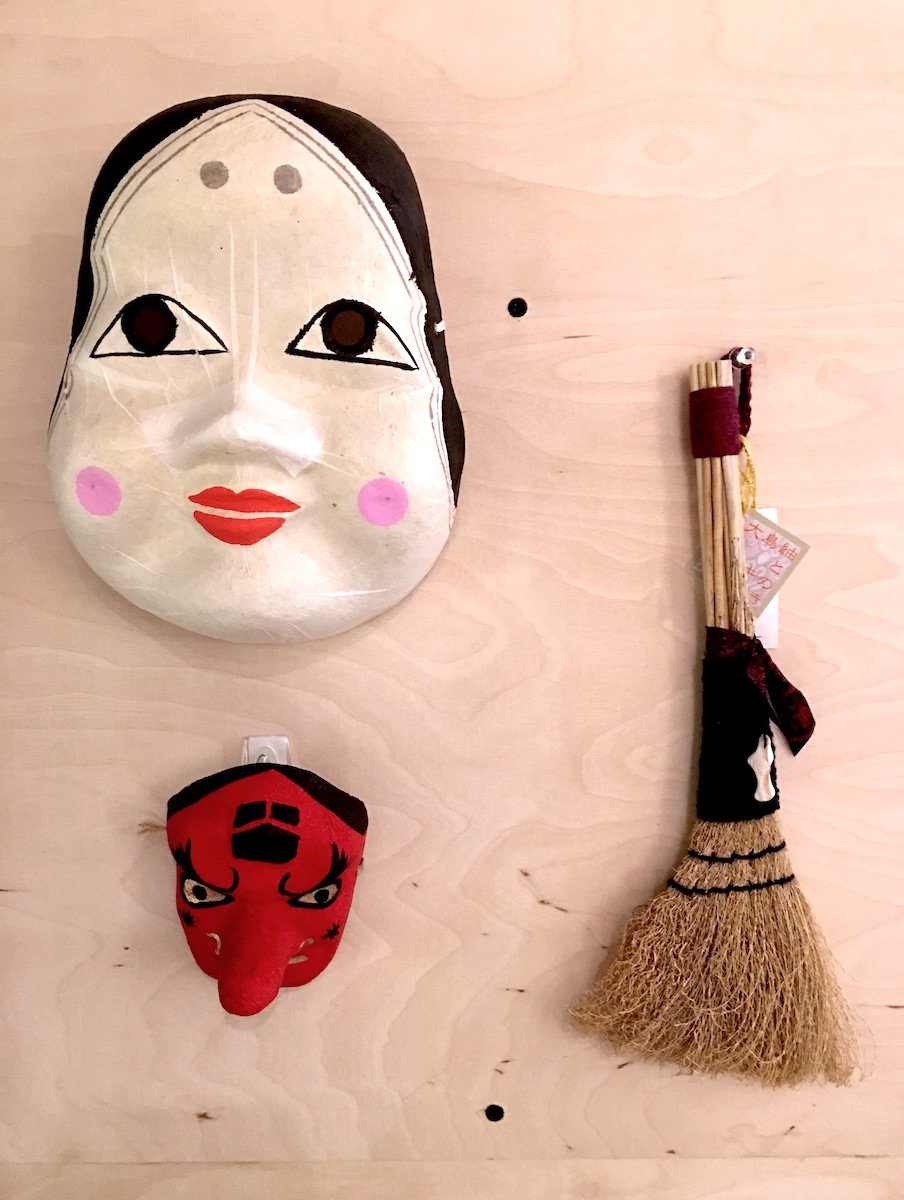
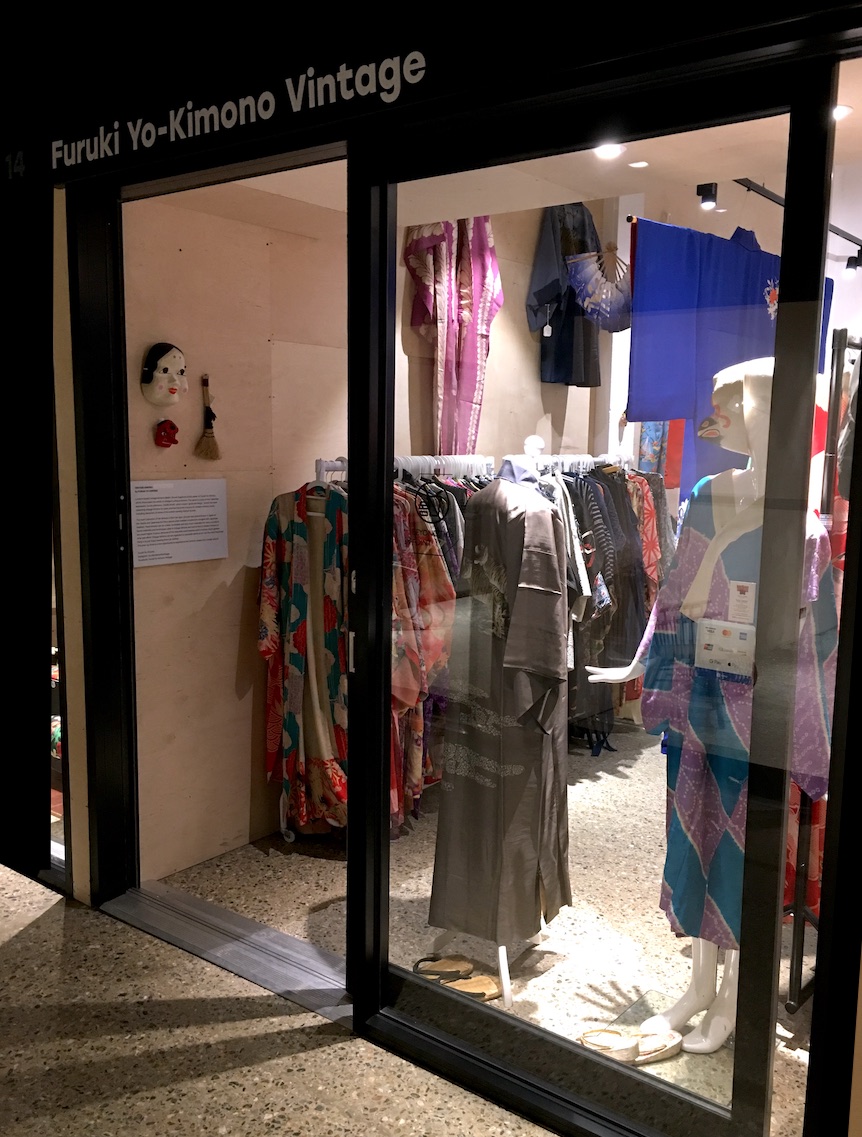
After only recently finding out that there is a shop specialising in vintage kimono in London, I went to meet Sonoe Sugawara, kimono dealer and owner of Furuki Yo-Kimono Vintage in Dalston yesterday. After mainly selling and displaying kimono at markets around London for over 10 years, Sugawara-san just recently moved into the newly opened independent business venue The Factory.
Furuki Yo-Kimono Vintage focuses mainly on kimono from the Taishō period, a great time for kimono fashion with new innovations and aesthetics emerging out of the forward-looking and democratic social context of the 1920s. Sugawara-san also collects imperial and samurai families’ wartime propaganda kimono, as well as Japanese folk workwear and textiles. I highly recommend a visit to anyone with an interest in kimono culture, to have a browse through the collection and a chat with the friendly and very knowledgable Sugawara-san!
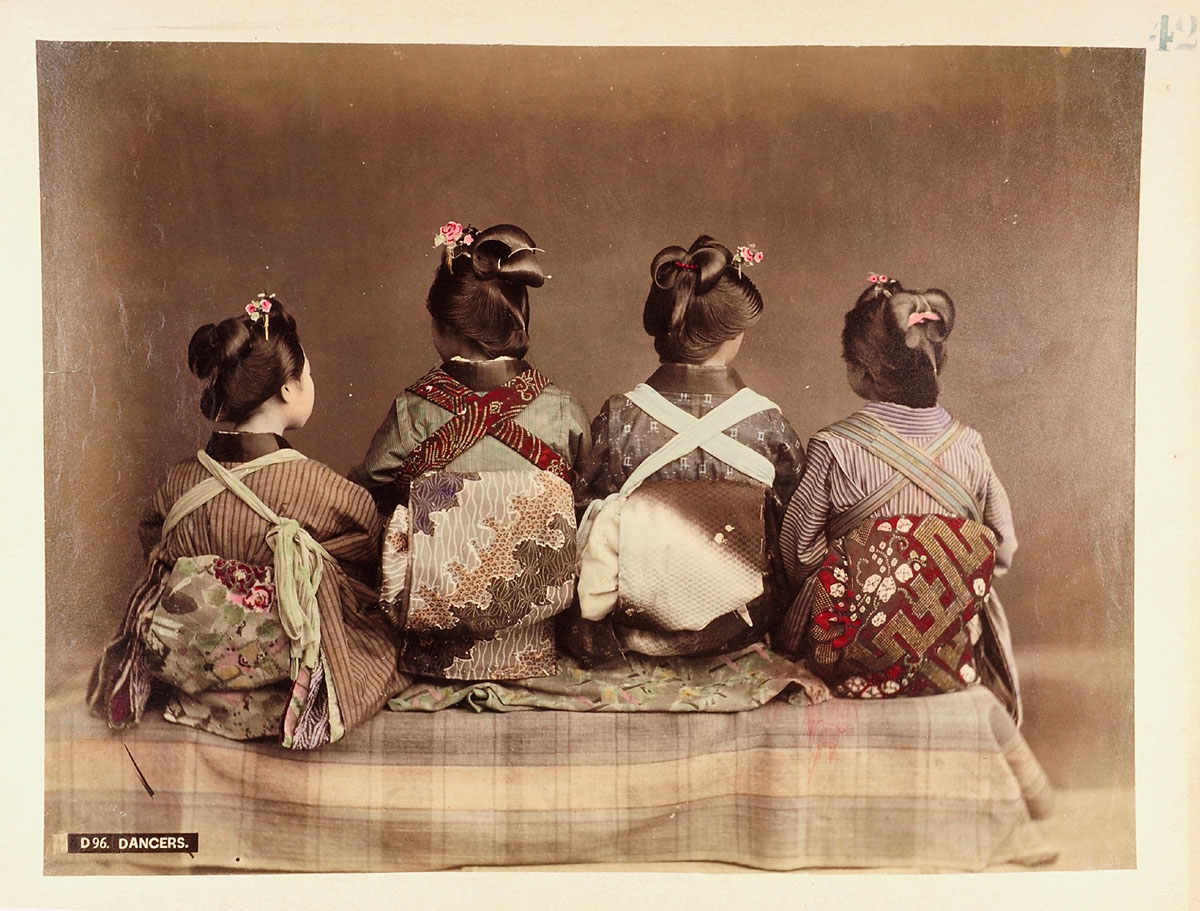
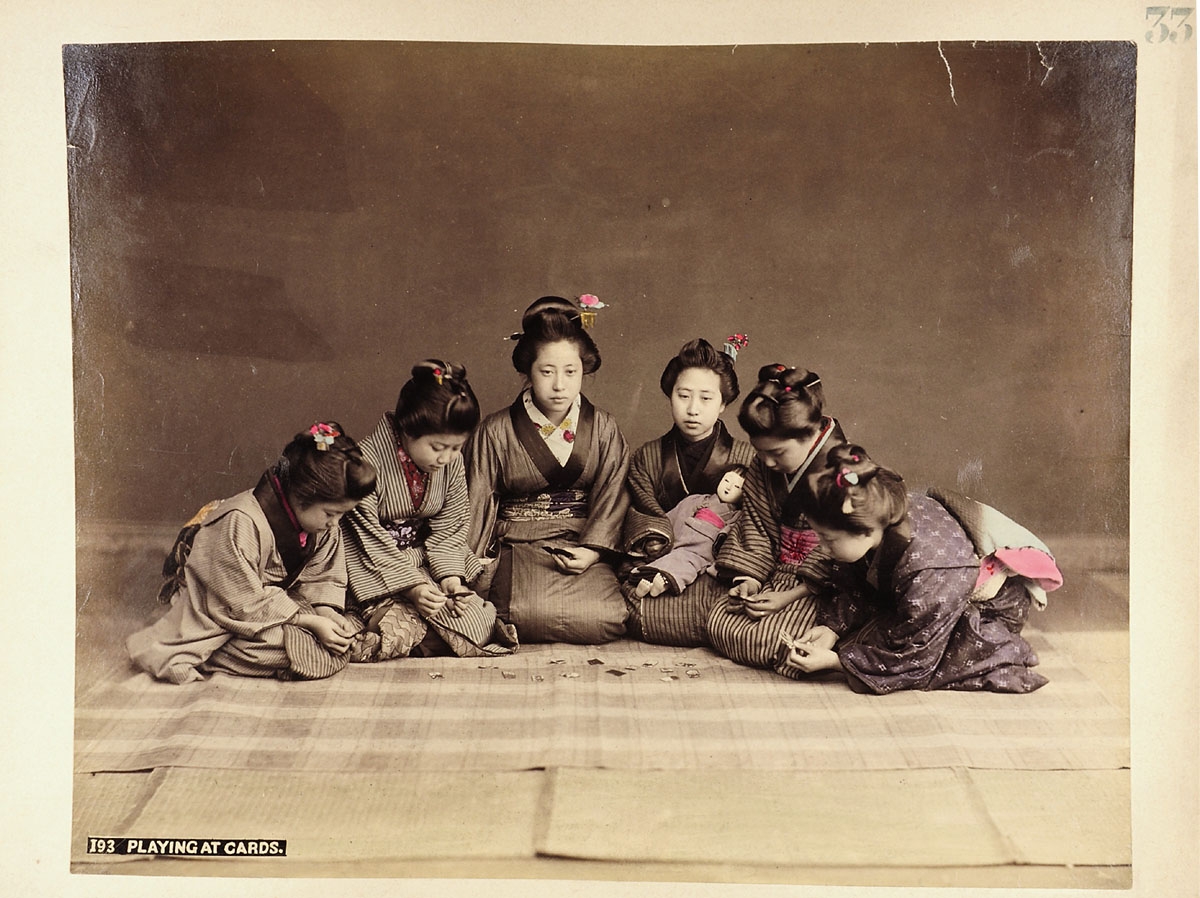
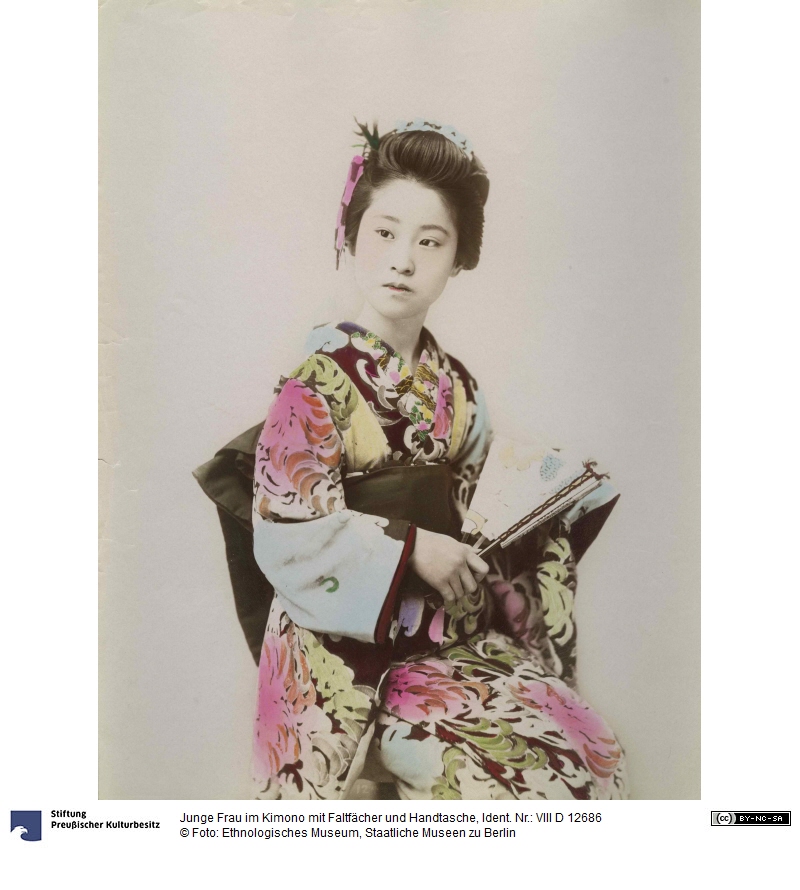
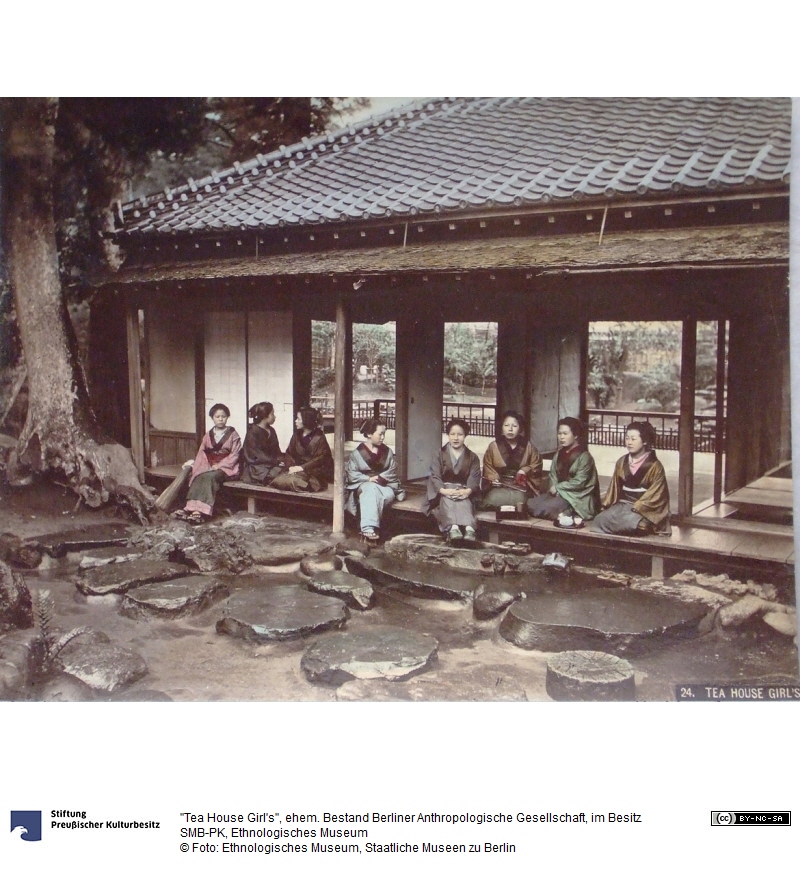
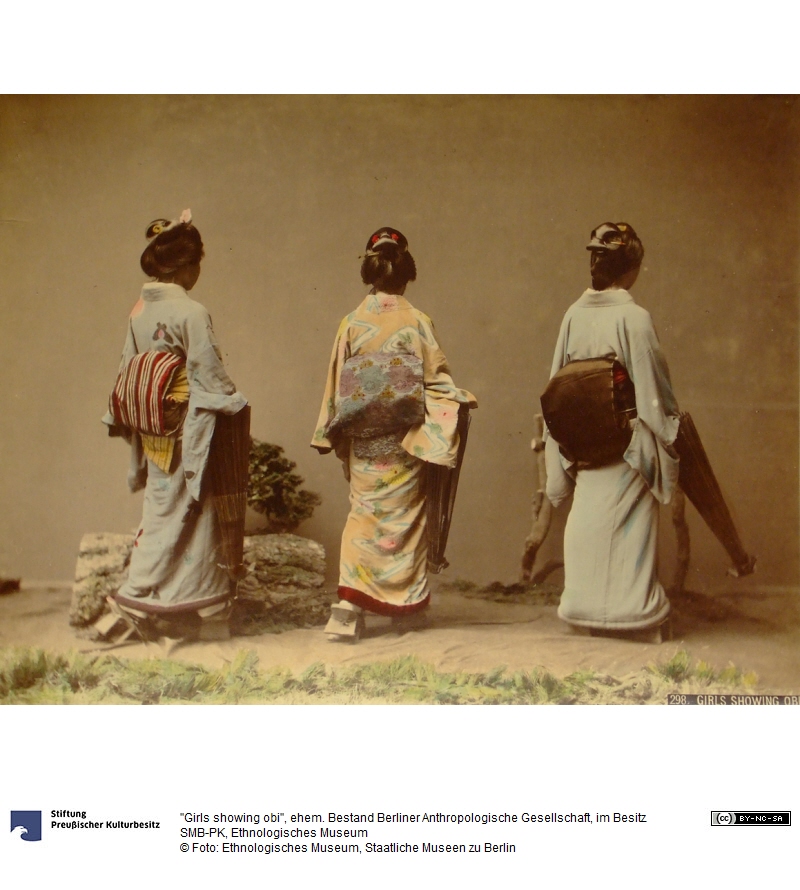
Just a collection of images I found in the online database of the Museum für Asiatische Kunst, Staatliche Museen zu Berlin. Old photographs can be very useful in observing how people in the past have worn and engaged with kimono, and this is something I’d like to further widen my knowledge on in a potential future research project. Until then, I’m just collecting these images here on my blog.
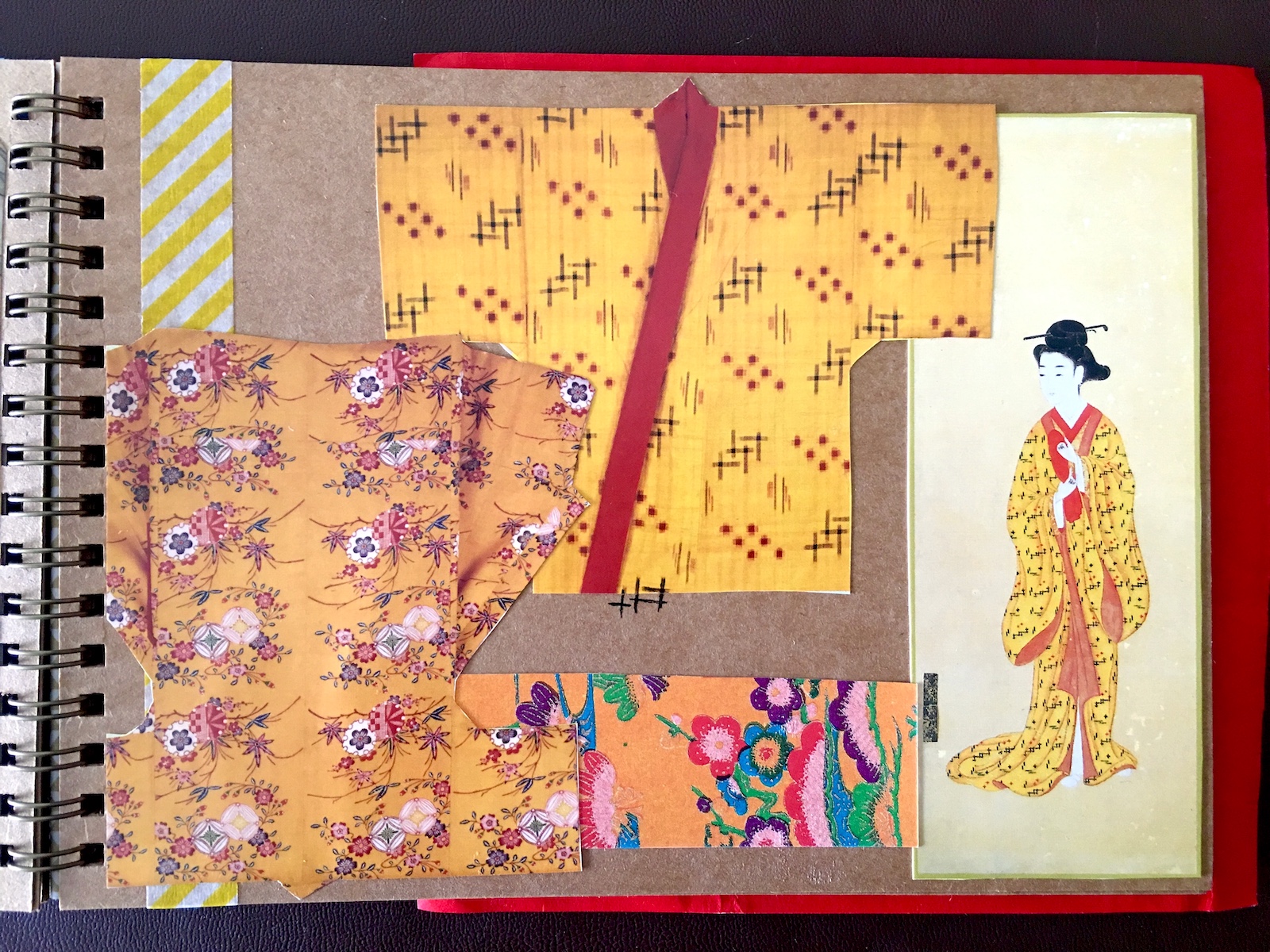
One of the hobbies I have pursued since being quite young is scrapbooking. I love to visually capture holidays or special occassions in the form of collages, and can’t get enough of stationary goods in general. The two pages below are from the scrapbook I worked on during my 6-month period of fieldwork I conducted in Japan in 2018. It was the first time I visited the most southern island of Japan, Okinawa, and was immediately captivated by the bright colours and bold patterns of so-called bingata (紅型) kimono.
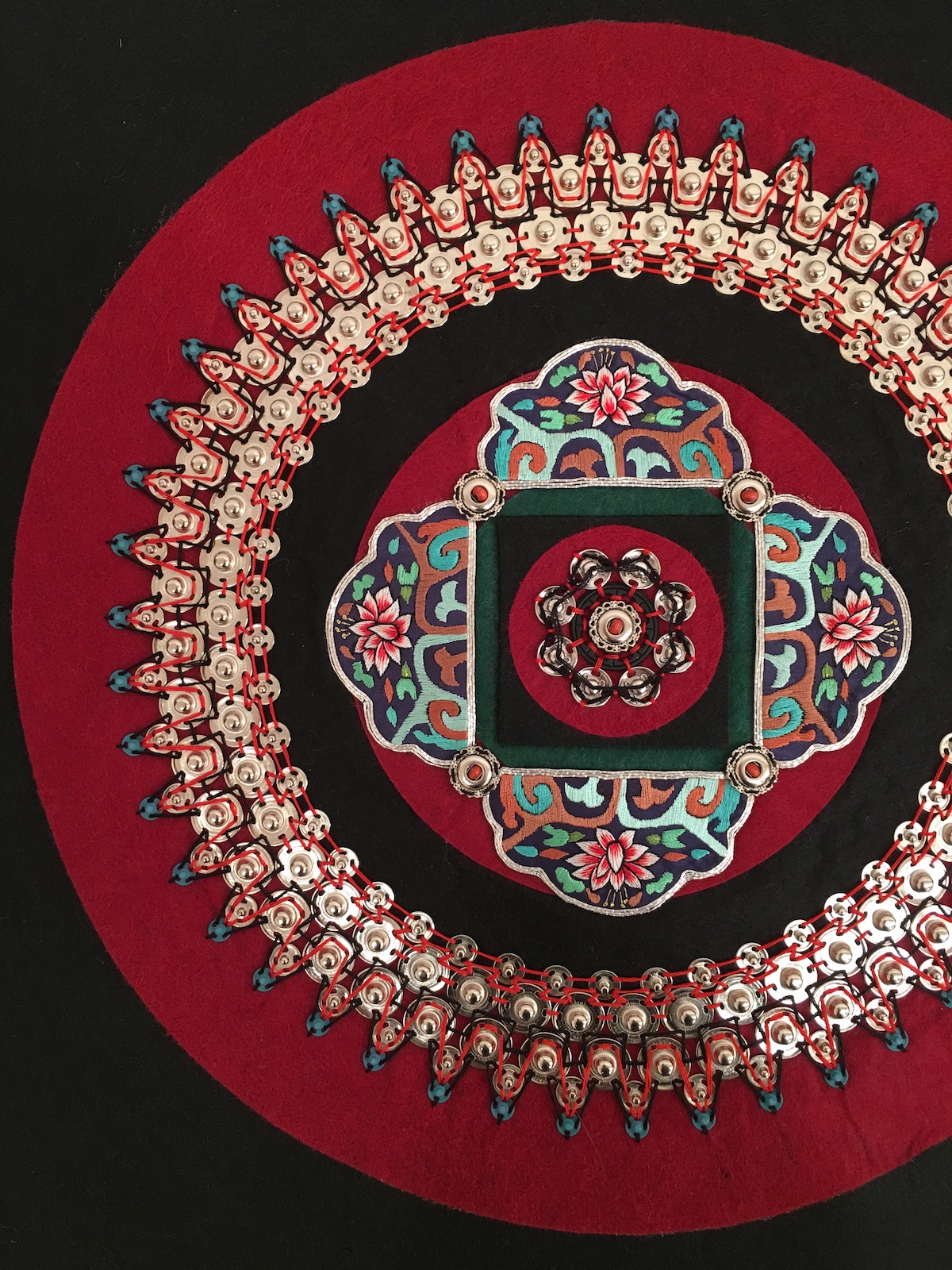
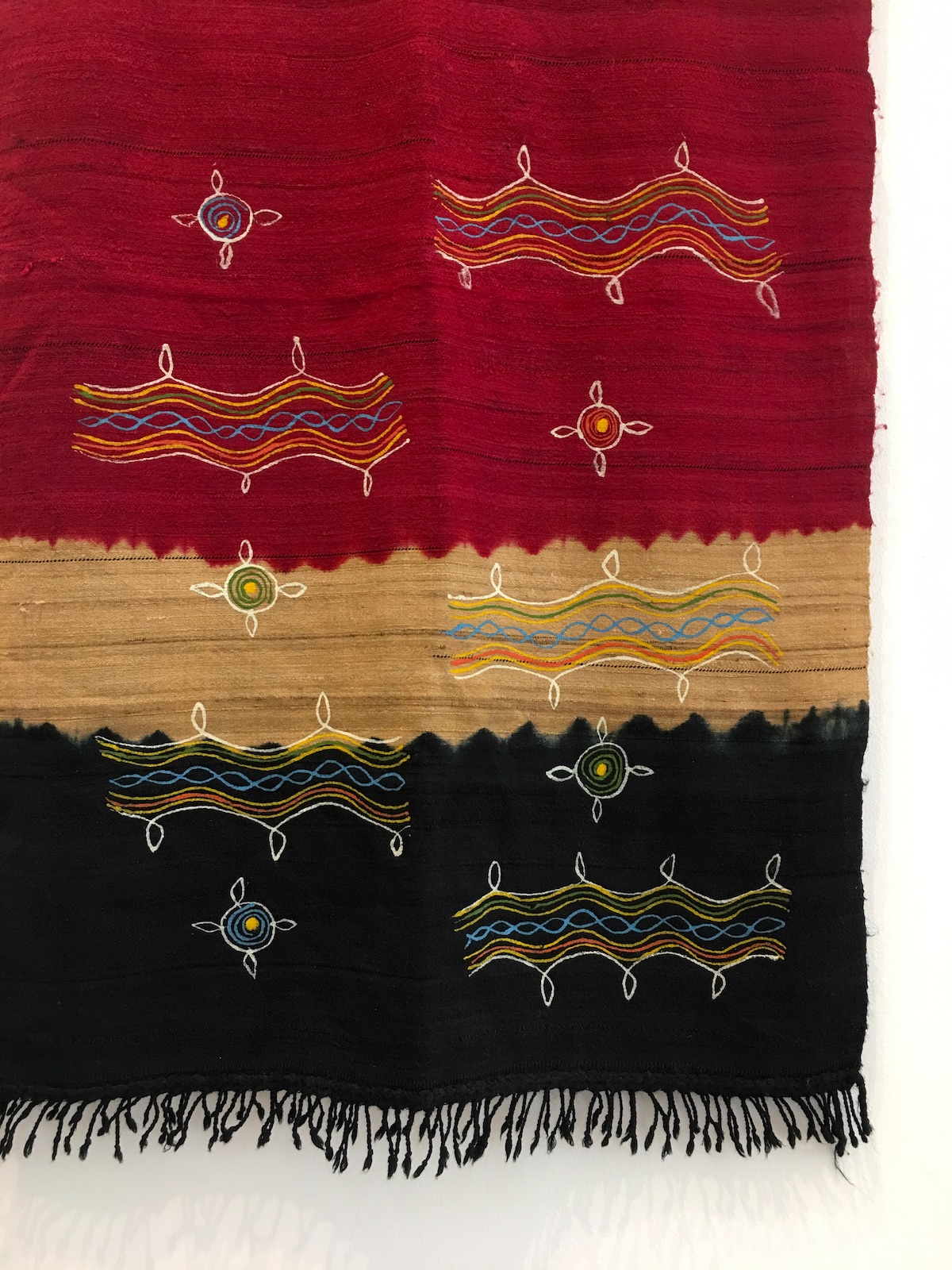
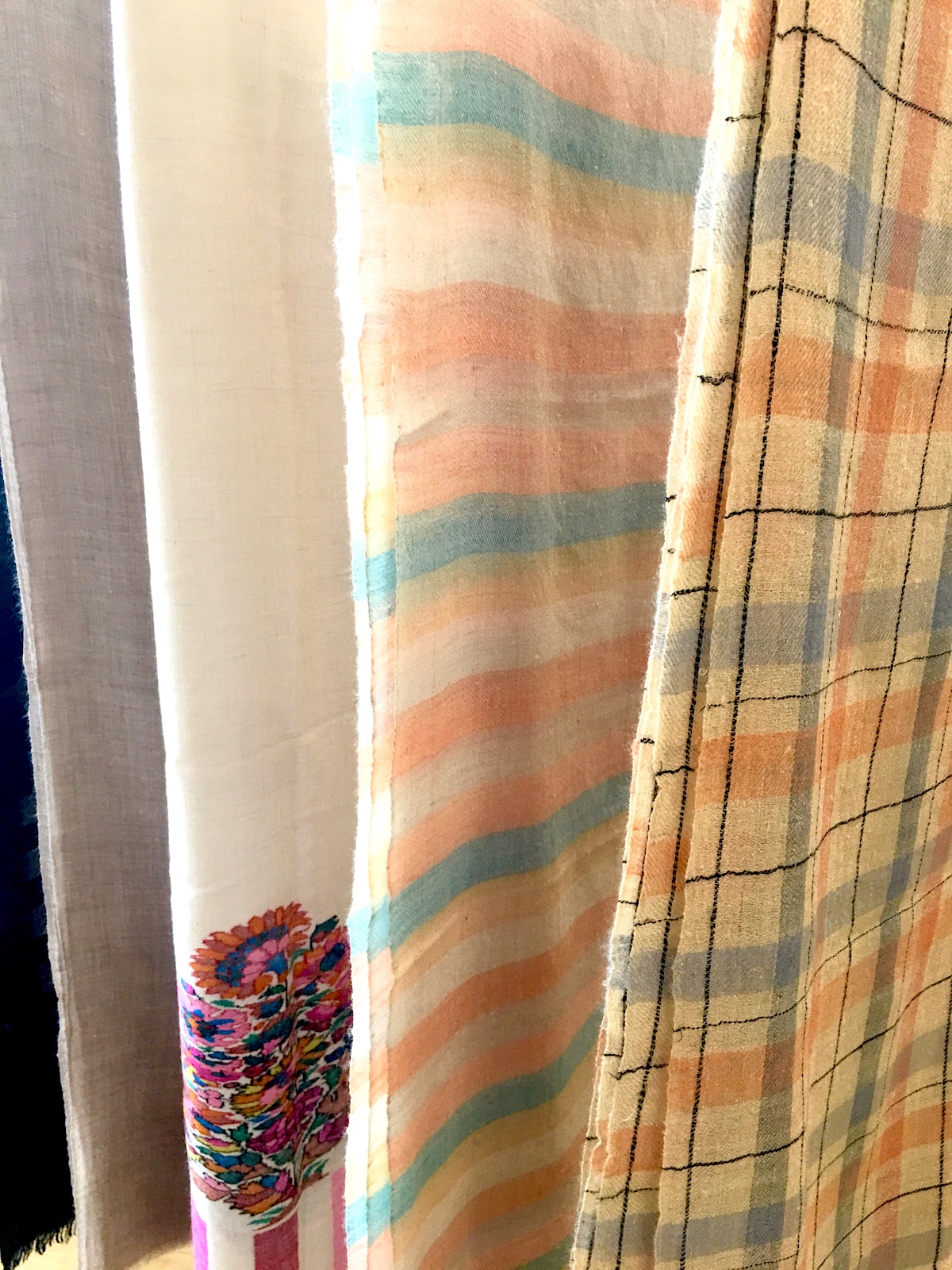
I’d like to share some visual impressions from London Craft Week, an annual event showcasing crafts and art from around the world. I particularly enjoyed the textiles from China and India, as well as Keqin Yan’s artworks. Have a look at some of my favourites below.






















 DR CAROLIN BECKE