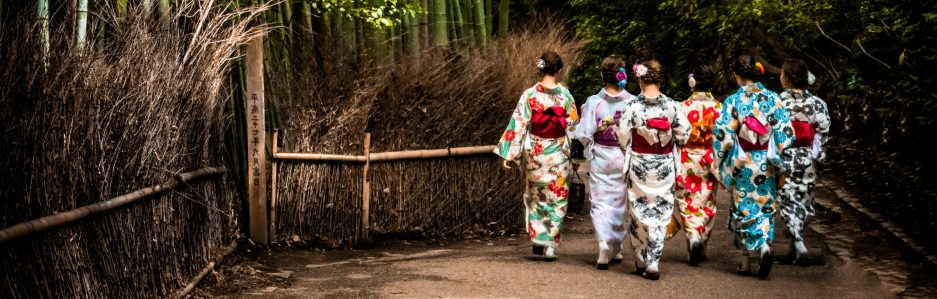
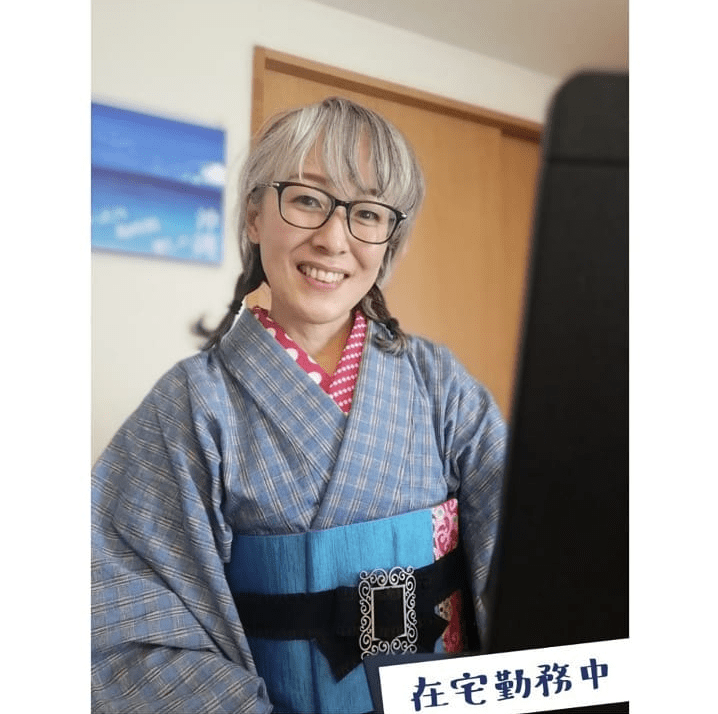
This short article analyses the practice behind the hashtag #stayhomekimono which encourages kimono lovers to dress up in kimono at home and share photographs with their friends and followers online. It was originally written for a website set up by UCL’s Center for Anthropology to collect ethnographic data on how people around the world are experiencing the appearance of COVID-19 in their lives, and can also be found here.
#stayhomekimono: Creative responses from kimono lovers to physical distancing
Both within and outside of the country, kimono has long been regarded as Japan’s national and traditional costume with its own etiquette and customs. Diverse ways of approaching and appropriating the garment have been applied by different parts of the population however, with kimono being regarded as a fashionable, rather than ‘traditional’ garment at many different points throughout history. It was rather in a post-war context that an idea of ‘the kimono’ and ‘one way of wearing’ has been strengthened, with kimono dressing schools and conservatively-minded authors being the main drivers behind this movement. The now associated abundance of strict rules and regulations ended up alienating the majority of the Japanese population from kimono.
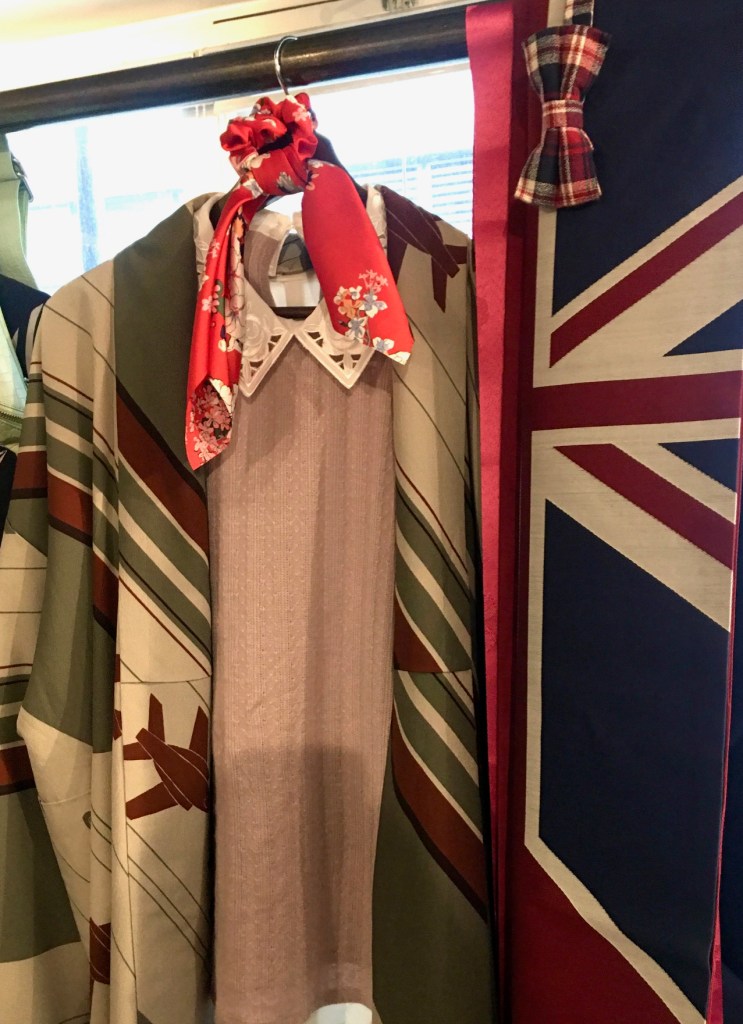
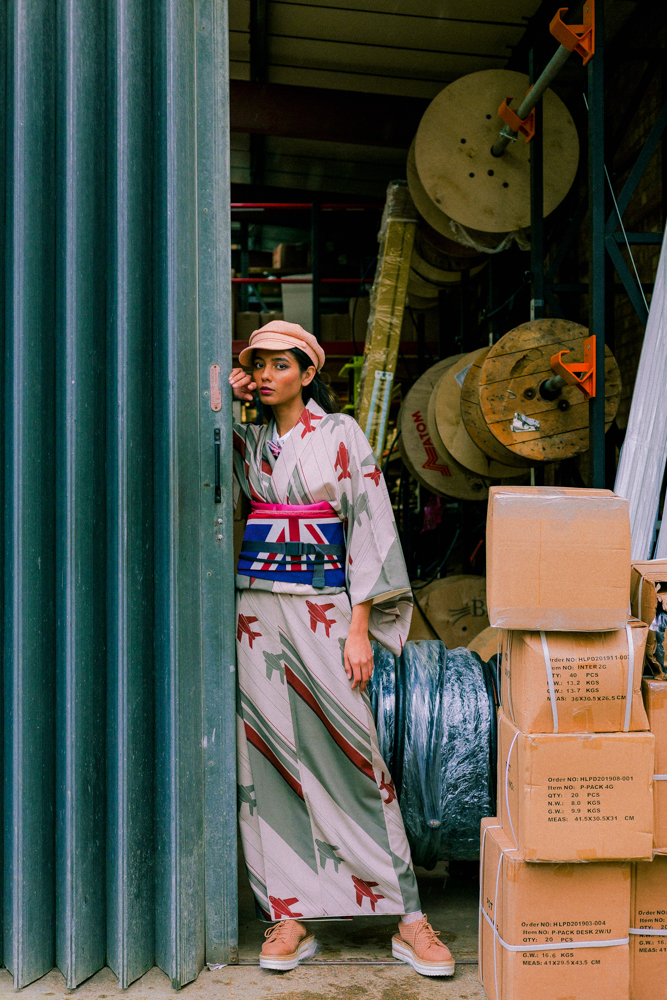
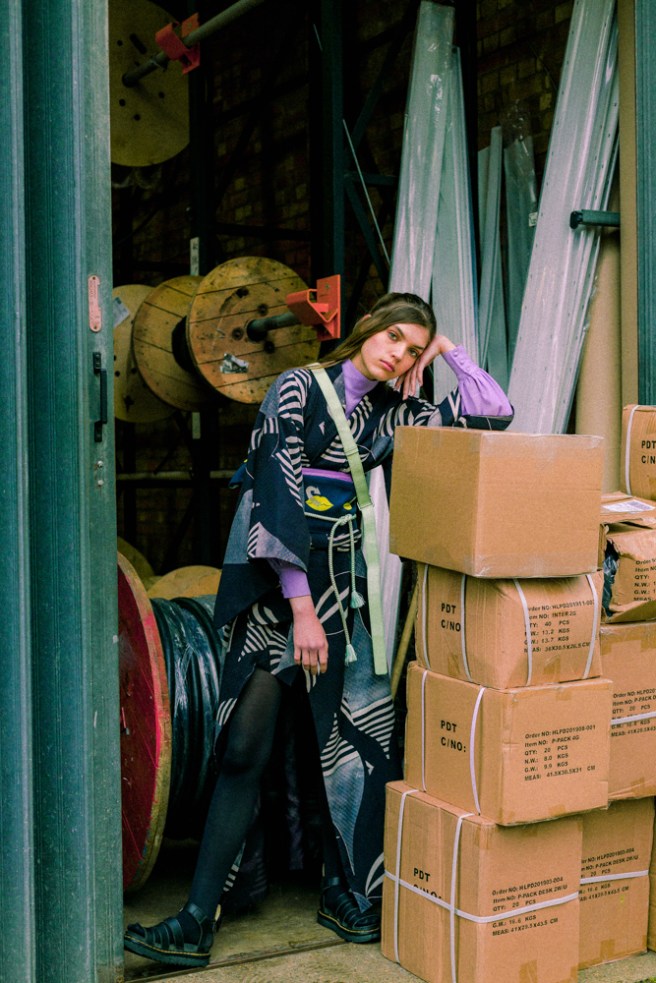
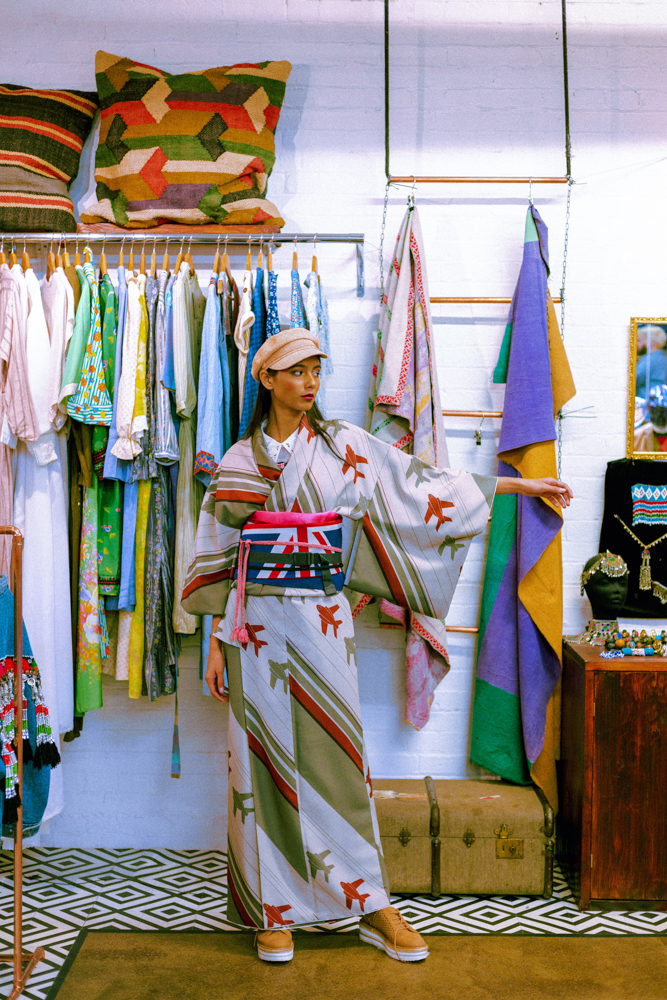
In the last decades however, kimono has seen a bit of a revival, with individuals picking up kimono more due to fashionable than traditional reasons, aiming to express their identity and taste through the playful combination of items and accessories to create personalised kimono ensembles. This new generation of kimono lovers are people of all genders and ages who are getting together with their friends and / or in special dressing groups to enjoy wearing kimono in a communal setting. Due to physical distancing restrictions being put on the Japanese population, these ventures are naturally now also being restricted. Some inspiring and creative ways of coping with the ‘new normal’ have come out of the community however which I would like to outline below.






 DR CAROLIN BECKE