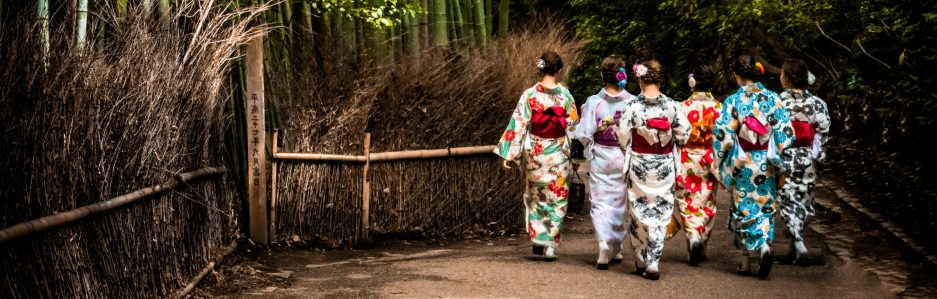
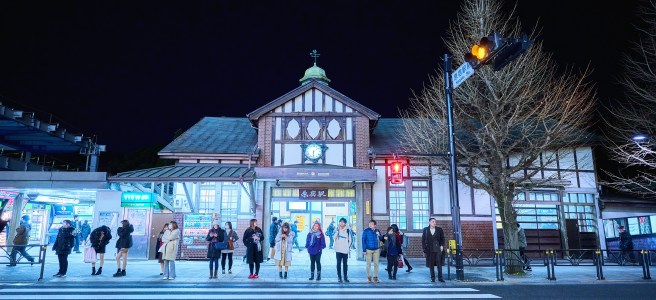
Harajuku is the epicenter of Japanese street fashion, where young people express their individuality through unique outfits and extravagant styles. This lively Tōkyō district, situated between Shibuya and Shinjuku, has transformed from a modest residential area into a global symbol of creativity and youth culture. Harajuku is not only a shopping paradise but also a cultural melting pot, constantly evolving and setting new trends.

I first visited Harajuku in December 2007, at the beginning of my six-month language exchange stay. This was before the wide availability of Google Maps, so I had little idea of what the district would look like. The area has changed significantly since then, but at its heart, it remains the same vibrant and eclectic hub of creativity and culture I fell in love with back then.
Let’s first dive into the history of Harajuku, which dates back to the late 19th century. The name ‘Harajuku’ (原宿) literally means “meadow lodging” and refers to the area’s rural past, originally known for its Shinto shrines. During World War II, Harajuku was almost entirely destroyed by bombings. After the war, reconstruction began, and the district became home to many American military personnel and their families, which increased the influence of Western culture. In the 1960s, facilitated by the 1964 Tōkyō Olympics, Harajuku began to develop into a meeting place for creative and fashion-conscious youth. This transformation continued over the following decades, shaping it into the vibrant center of youth culture and street fashion that it is today.
The magazine FRUiTS, founded in 1997 by Japanese photographer Aoki Shoichi, has captured the diversity and creativity of Harajuku fashion for years. Through the publication, Harajuku’s fashion became not only a local but also an international symbol of creative freedom and non-conformist style, significantly influencing global street fashion. Althoug being discontinued in 2017, FRUiTS continues to show the style(s) of Harajuku to the world through its Instagram presence.
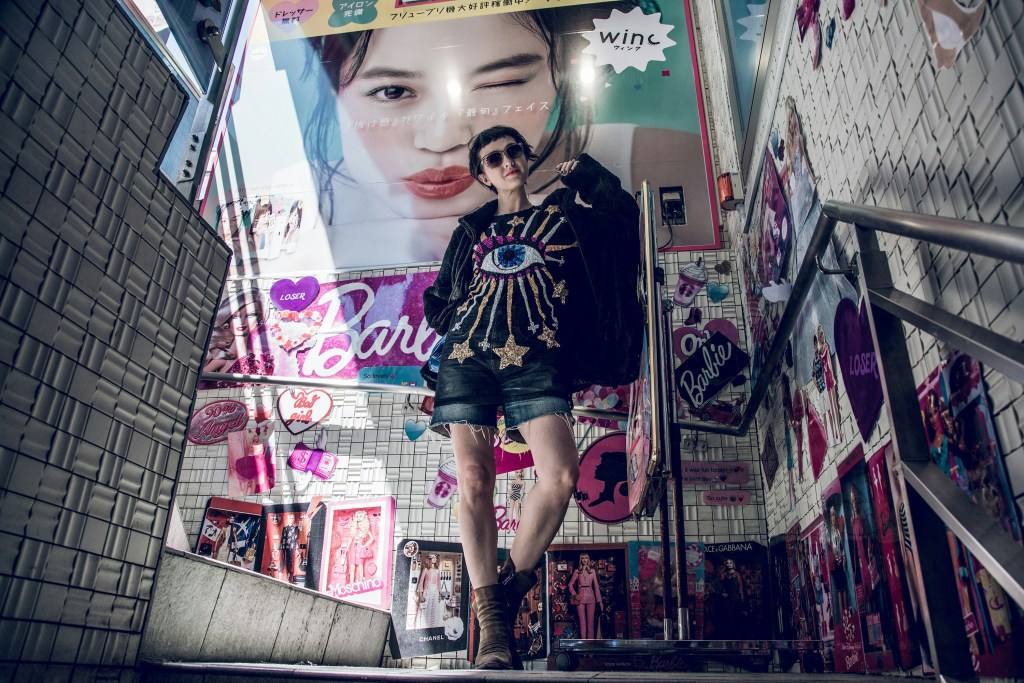
For fashionistas feeling inspired, there are three main destinations: Takeshita-dōri, Omotesandō, and Ura-Harajuku. Let’s take a closer look at these three iconic sub-districts.
Takeshita-dōri
Takeshita-dōri in Harajuku is the heart of Japanese street fashion. This lively street, just a few steps from Harajuku Station, is lined with fashion boutiques, creperies, and accessory shops offering a plethora of affordable and colorful items. Especially popular among young people, Takeshita-dōri embodies the unique Harajuku style, characterized by creative, eye-catching, and often quirky fashion. Here, the cuteness aesthetic of kawaii meets individual eccentricity, creating an unmistakable atmosphere that attracts fashion enthusiasts from all over the world.
The street is not only a shopping paradise but also a place where trends are born. Singer Kyary Pamyu Pamyu (きゃりーぱみゅぱみゅ) epitomizes this style like no other; bold accessories, daring color combinations, and unconventional designs define her look. With the song ‘HARAJUKU IYAHOI (原宿いやほい),’ she has also given the district its own anthem in 2017, further highlighting Takeshita-dōri’s significance in the global fashion world.
Omotesandō
Omotesandō is an elegant, tree-lined avenue in Harajuku, often referred to as the ‘Champs-Élysées of Tōkyō.’ In contrast to the lively and eccentric Takeshita-dōri, Omotesandō offers a more sophisticated and refined atmosphere. Here, luxurious boutiques, designer stores, and exquisite concept shops line the street, offering a wide range of high-quality fashion items and accessories.
In addition to its exclusive shopping options, Omotesandō is also known for its top-notch restaurants and cafés. From upscale Japanese dining to international gourmet cuisine, there is a variety of culinary experiences to be had. Popular cafés like Omotesandō Koffee, known for its minimalist style and high-quality coffee, and Anniversaire Café, renowned for its delicious desserts and stylish ambiance, attract both locals and tourists.

Ura-Harajuku
Ura-Harajuku, on the other hand, is a place for explorers and individualists seeking unique pieces and inspiring spots. This area is known for its independent boutiques, vintage shops, and innovative cafés, catering to an alternative and often avant-garde fashion taste. In its quieter yet equally creative atmosphere, many iconic Japanese streetwear brands, such as BAPE (A Bathing Ape) and Undercover, got their start.
Second-hand and vintage shopping are central elements of Ura-Harajuku. The appeal of second-hand fashion lies not only in the uniqueness and quality of the items available but also in the increasingly significant sustainable shopping philosophy. Reusing and rediscovering clothing not only supports the environment but also allows for the creation of individual and distinctive outfits. The vintage shops in Ura-Harajuku are renowned for their creative clothing displays and inspiring styling ideas, encouraging visitors to explore and experiment with their personal style.

The diversity of fashion, the vibrant youth culture, and the unique atmosphere make Harajuku a captivating place that enchants visitors from around the world. From the colorful Takeshita-dōri and the elegant Omotesandō to the alternative lanes of Ura-Harajuku, this district offers something for every taste. Harajuku remains an essential destination for anyone wanting to experience the most fashionable site of Tōkyō.
This article was first published on the German-Japanese online magazine JAPANDIGEST: https://www.japandigest.de/reisen/tourismus/sehenswuerdigkeiten/harajuku-tokyo/.
Header image by Jezael Melgoza on Unsplash.

 DR CAROLIN BECKE